Lupinus, Genus, lepidus, Species,
- Genus & species
dwarf lupine
Overview
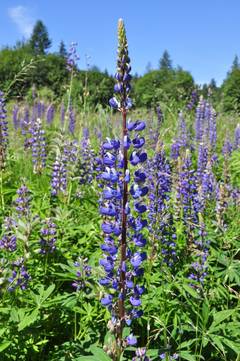
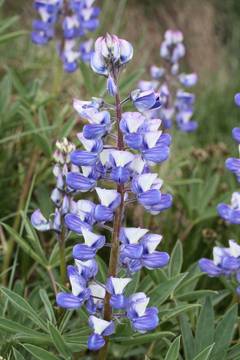
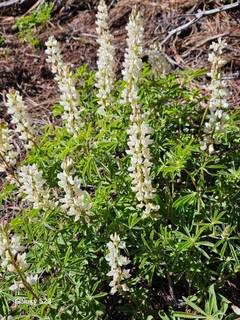
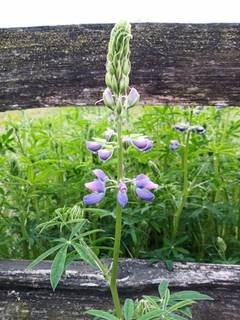
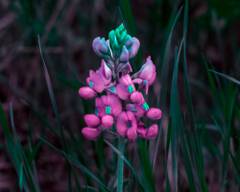
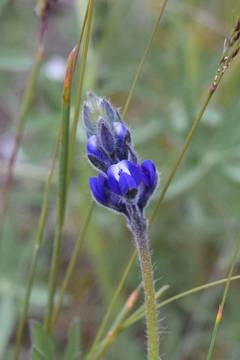
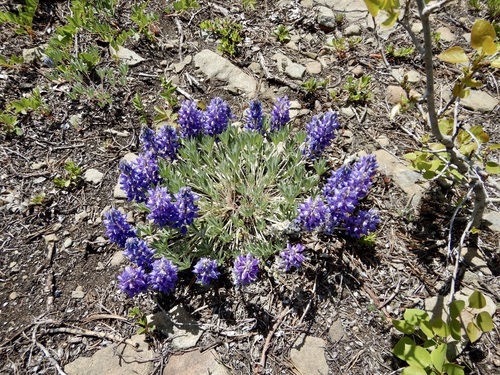
Lupinus lepidus is a low, cushion- to mat-forming perennial 2-12 inches (5-30 cm) tall, with forms ranging from flat alpine mats to taller lowland plants. Leaves are palmately compound with 5-9 narrow leaflets each 0.4-1.2 inches (1-3 cm) long, covered in silky hairs that give a silvery-gray cast. Pea-like flowers 0.3-0.5 inch (8-12 mm) long, blue to violet with a white or yellowish patch on the upper petal, are held in dense upright spikes 1-4 inches (2.5-10 cm) long from May to August. Flat, hairy seed pods 0.5-1 inch (1.3-2.5 cm) long follow and split to release seeds. The plant grows from a deep root system and forms nitrogen-fixing root nodules, letting it colonize bare, gravelly ground. Seeds and foliage contain alkaloids that are poisonous to livestock and people if eaten. Above-ground growth dies back in winter and in summer drought at low elevations.
Native Range
Native to western North America from British Columbia south through the Cascade and Sierra Nevada ranges to California, and east to the northern Rocky Mountains. Grows on open gravelly slopes, alpine ridges, meadows, and volcanic ground from low elevations to above 10,000 feet (3,000 m).Suggested Uses
Grown in rock gardens, alpine troughs, scree beds, and dryland native plantings, spaced 8-12 inches (20-30 cm) apart. The flowers are visited by bumblebees and other native bees. The poisonous foliage and seeds make it unsuited to areas grazed by livestock or accessible to young children.How to Identify
Appearance
Size & Dimensions
Height2" - 1'
Width/Spread6" - 1'6"
Bloom Information
Detailed Descriptions
Flower Description
blue to violetFoliage Description
silvery-greenGrowing Conditions
Sun Requirements
Requires 6-12 hours of direct sunlight daily
• Full Sun: 6+ hours of direct sunlight
• Partial Shade: 3-6 hours of direct sunlight
• Full Shade: Less than 3 hours of direct sunlight
Care & Maintenance
Care Guide
Grows in full sun in gritty, gravelly or sandy, sharply drained soil of low fertility. Water sparingly; established plants are adapted to dry, exposed sites and rot in rich or wet ground. It fixes its own nitrogen through root nodules and needs no feeding. Seeds and foliage contain alkaloids that are poisonous to livestock and to people if eaten. Crown and root rot occur in soils that hold moisture. Plants are often short-lived and renew from self-sown seed, and they transplant poorly once the taproot forms.Pruning
No routine pruning is needed. Spent flower spikes can be removed after bloom to limit self-seeding, or left to ripen seed. Dead foliage can be cleared in early spring as new growth begins from the crown.Pruning Schedule
Prune: March
early spring
Container Growing
Suitable for container growing
Minimum container size: 2 gallons