Image 1 of 10
1 / 10
Anthony Valois and the National Park Service, no rights reserved (CC0) · Wikimedia Commons
Lupinus, Genus, concinnus, Species,
- Genus & species
bajada lupine
Southwestern United States and northern Mexico
Overview
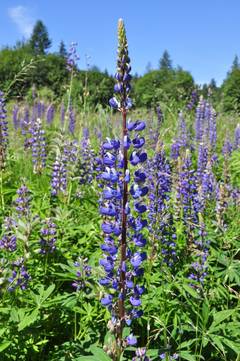
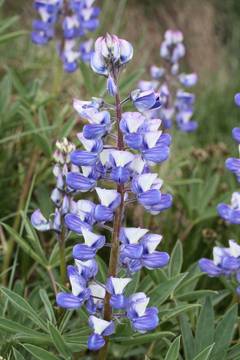
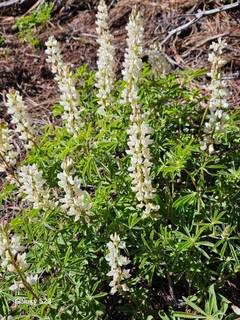
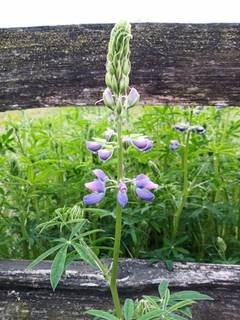
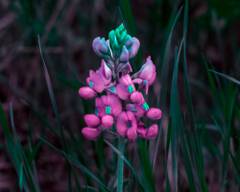
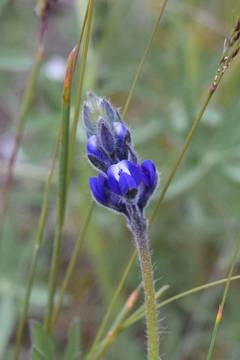
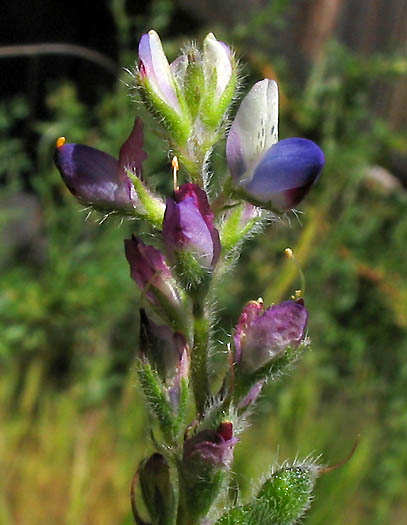
Lupinus concinnus is a low annual reaching 4-12 inches (10-30 cm) tall, with branching stems densely covered in soft, shaggy hairs. The palmately compound leaves have five to nine narrow leaflets 0.4-1 inch (1-2.5 cm) long, green and hairy on both sides. Small pea-like flowers 0.25-0.4 inch (6-10 mm) long are crowded in short clusters at the stem tips from late winter into spring; each flower combines lavender to pink-purple petals with a white to pale center. The fruit is a hairy pod 0.4-0.6 inch (1-1.5 cm) long holding a few small seeds. L. concinnus grows on sandy and gravelly desert flats, bajadas, washes, and roadsides across the southwestern United States and northern Mexico. Like other lupines, its seeds and foliage contain quinolizidine alkaloids that are toxic if eaten. As an annual it germinates with winter rains, flowers, and dies by early summer, leaving seed in the soil. Bloom is sparse in dry years and heavier after wet winters.
Native Range
Lupinus concinnus is native to the southwestern United States and northern Mexico, including the Mojave, Sonoran, and Chihuahuan deserts. It grows on sandy or gravelly flats, bajadas, desert washes, and roadsides at low to middle elevations.Suggested Uses
Lupinus concinnus is grown in desert wildflower plantings, low-water gardens, and restoration seedings, sown 4-6 inches (10-15 cm) apart. Its early flowers add spring color to dryland beds and draw native bees. The toxic seeds and foliage limit its use in areas where children or livestock are present.How to Identify
Appearance
Size & Dimensions
Height4" - 1'
Width/Spread4" - 10"
Bloom Information
Flowering occurs from late winter into spring, generally February to May, timed to winter rainfall. Short clusters of small lavender to pink-purple flowers open at the stem tips over several weeks. Hairy seed pods follow before the plant dies in early summer.
Detailed Descriptions
Flower Description
Lavender to pink-purpleFoliage Description
GreenGrowing Conditions
Sun Requirements
Requires 6-12 hours of direct sunlight daily
• Full Sun: 6+ hours of direct sunlight
• Partial Shade: 3-6 hours of direct sunlight
• Full Shade: Less than 3 hours of direct sunlight
Water & Climate
Water Needs
Drought Tolerance
Drought tolerant when established
Care & Maintenance
Care Guide
Lupinus concinnus grows in full sun in dry, fast-draining sandy or gravelly soil with a pH from 6.5 to 8.0. As a desert annual it germinates with cool-season rain and needs little water beyond natural rainfall. It fixes nitrogen through root bacteria and grows on lean soils without added fertilizer. Seeds and foliage contain quinolizidine alkaloids that are toxic to people and livestock if eaten. The plant completes its cycle by early summer and regrows from seed the next wet season. Growth and bloom are reduced in dry winters and in shade.Pruning
No routine pruning is needed for this desert annual. Spent plants can be cleared after the pods dry and shed seed. Leaving seed in place maintains the stand for future wet seasons.Pruning Schedule
Prune: June
summer
Toxicity Warning
Toxic to pets and humansPlanting Guide
Planting Methods & Timing
Planting Method
direct sow
Direct Sow Timing
Fall to early winter
Plant Spacing
6 inches