Image 1 of 8
1 / 8
Anthony Valois and the National Park Service, no rights reserved (CC0) · Wikimedia Commons
Lupinus, Genus, truncatus, Species,
- Genus & species
collared annual lupine
Overview
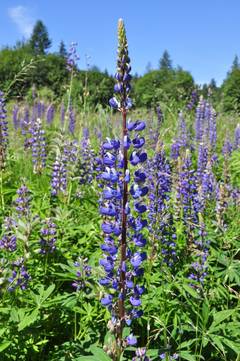
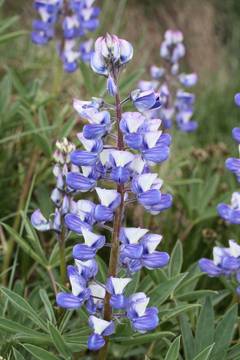
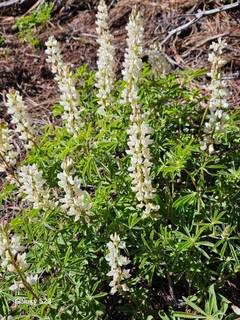
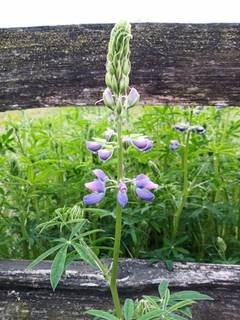
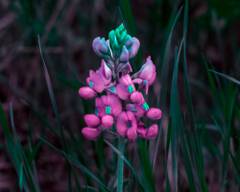
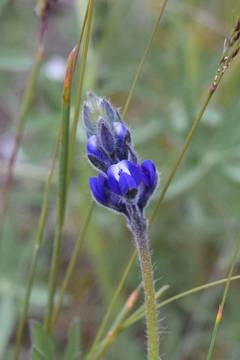
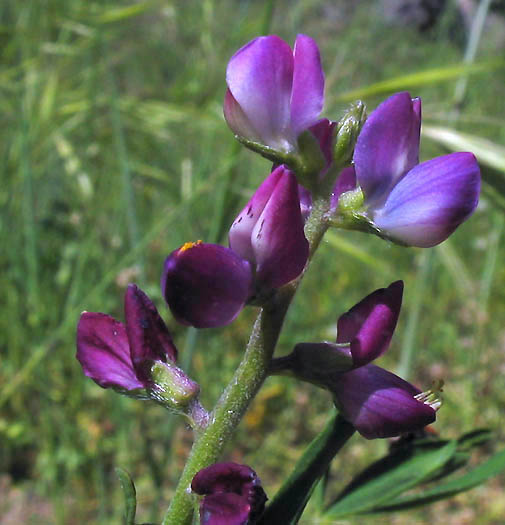
Lupinus truncatus is an annual wildflower in the pea family that grows 8–24 inches (20–60 cm) tall on slender, erect stems. The leaves are palmately compound with 5 to 7 narrow leaflets, each 0.6–1.5 inches (1.5–4 cm) long and squared off or notched at the tip, a trait that gives the plant its common name. From March to May the stems carry open spikes of pea-shaped flowers, each 0.4–0.5 inch (10–13 mm) long, in magenta to purple with a paler banner. The flowers are followed by hairy pods 0.8–1.5 inches (2–4 cm) long that split and twist to fling out the seeds. As an annual it germinates with autumn and winter rain, flowers in spring, and dies as the soil dries in early summer. Lupinus truncatus grows on open, disturbed, sandy, and burned ground in coastal scrub, chaparral, and grassland from California into Baja California, often appearing in numbers after fire. Like other lupines, the seeds and foliage contain quinolizidine alkaloids that are toxic to livestock and to humans if eaten. It does not persist in shade or in heavy, wet soils.
Native Range
Native to California and Baja California, on open, sandy, and disturbed ground in coastal scrub, chaparral, and grassland below about 3,000 feet (900 m). It often appears in abundance after fire or soil disturbance.Suggested Uses
Lupinus truncatus is used in native wildflower seeding, fire-recovery plantings, and meadow mixes on sandy soils. Its spring flowers supply nectar and pollen to bees, and the roots fix nitrogen that benefits surrounding plants. It is kept away from areas grazed by livestock because of its toxic seeds and foliage.How to Identify
Appearance
Size & Dimensions
Height8" - 2'
Width/Spread4" - 10"
Bloom Information
Magenta to purple flower spikes open from March to May, peaking in April. Each spike flowers from the bottom upward over two to four weeks before setting hairy pods. Seed disperses as the pods dry and split in early summer.
Detailed Descriptions
Flower Description
magenta to purpleFoliage Description
greenGrowing Conditions
Sun Requirements
Requires 6-12 hours of direct sunlight daily
• Full Sun: 6+ hours of direct sunlight
• Partial Shade: 3-6 hours of direct sunlight
• Full Shade: Less than 3 hours of direct sunlight
Water & Climate
Water Needs
Drought Tolerance
Drought tolerant when established
Care & Maintenance
Care Guide
Lupinus truncatus grows in full sun on dry, sandy, well-drained soils and tolerates poor and disturbed ground. As an annual it germinates with autumn and winter rain and needs no supplemental water in its native climate. Seed has a hard coat and germinates better after scarification or after fire. The plant fixes nitrogen through root bacteria and improves poor soils. It self-sows where bare ground is available but does not persist in shade or wet, heavy soil. All parts, especially the seeds, contain alkaloids toxic to grazing animals and people.Pruning
As a single-season annual, Lupinus truncatus needs no pruning. Plants can be left to set seed for the next season or cleared once they dry in summer. Spent plants break down quickly after seed drop.Toxicity Warning
Toxic to pets and humansPlanting Guide
Planting Methods & Timing
Planting Method
direct sow