Lupinus, Genus, arizonicus, Species,
- Genus & species
Arizona lupine
Overview
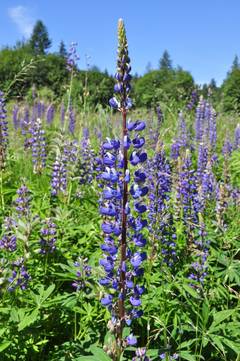
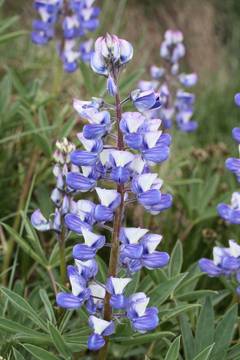
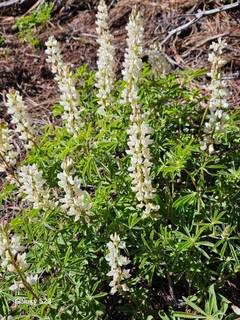
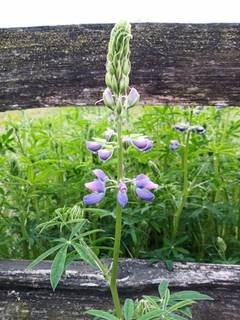
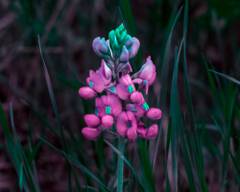
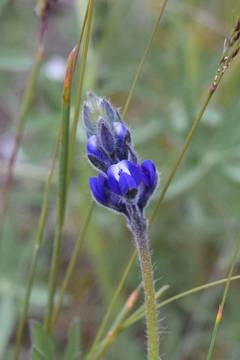
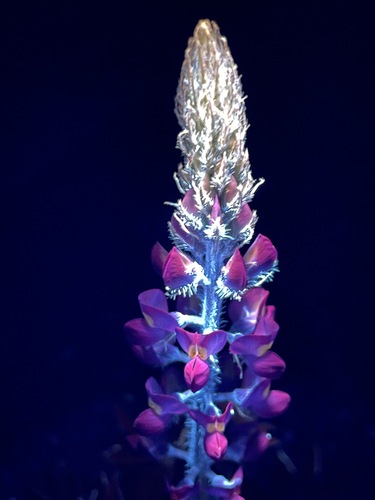
Lupinus arizonicus is an erect desert annual in the pea family, growing 8-24 inches (20-60 cm) tall on branching, somewhat succulent reddish stems. The palmately compound leaves have 6-10 narrow leaflets radiating from a central point on long stalks. In spring it produces upright spikes of pink to magenta-purple pea-shaped flowers, each with a paler or yellowish patch on the banner petal that turns reddish after pollination. Bloom follows winter rains, and the whole plant dries by early summer. Short hairy pods 0.75-1.5 inches (2-4 cm) long form along the spike and split to scatter seed. The plant grows on sandy washes, desert flats, and gravelly slopes, often appearing in large showy stands in wet years and sparsely or not at all in drought. As a legume it fixes some nitrogen through root nodules. Like other lupines it contains alkaloids that are toxic to people and livestock if eaten. It completes its life cycle in a single cool season, relying on the seed bank to return.
Native Range
Lupinus arizonicus is native to the Sonoran and Mojave deserts of the southwestern United States and northwestern Mexico, including Arizona, California, Nevada, Utah, and Baja California. It grows on sandy washes, desert flats, and gravelly slopes below about 3,000 feet (900 m).Suggested Uses
Lupinus arizonicus is used in desert and native plant gardens, wildflower seed mixes, and revegetation of dry, disturbed desert ground. It suits low-water spring displays and naturalized desert beds where it can self-sow. It combines with desert annuals such as desert marigold, brittlebush, and California poppy.How to Identify
Appearance
Size & Dimensions
Height8" - 2'
Width/Spread6" - 1'
Bloom Information
Flowering occurs in spring, mainly February to May, following winter and early-spring rains. Spikes open from the bottom upward over a few weeks, and stands bloom heavily in wet years. Bees, especially native bees, work the flowers for pollen. After bloom the pods ripen and split, and the plant dries by early summer.
Detailed Descriptions
Flower Description
pink to magenta-purpleFoliage Description
greenGrowing Conditions
Sun Requirements
Requires 6-10 hours of direct sunlight daily
• Full Sun: 6+ hours of direct sunlight
• Partial Shade: 3-6 hours of direct sunlight
• Full Shade: Less than 3 hours of direct sunlight
Water & Climate
Water Needs
Drought Tolerance
Drought tolerant when established
Care & Maintenance
Care Guide
Lupinus arizonicus grows in full sun and fast-draining sandy or gravelly desert soil. As a winter annual it relies on autumn and winter rainfall, germinating with cool-season moisture and flowering in spring before summer heat. Seed is sown in autumn and germinates more evenly after scarification because of the hard coat. The plant needs no fertilizer, fixing some of its own nitrogen, and declines in rich or constantly wet soil. It does not transplant well because of its early taproot, so direct sowing suits it. All parts contain toxic alkaloids and are not safe to eat.Pruning
No pruning is needed for this desert annual. Spent plants can be left to drop seed or cleared once they dry in early summer. Removing pods before they split limits self-sowing where that is wanted.Toxicity Warning
Toxic to pets and humansPlanting Guide
Planting Methods & Timing
Planting Method
direct sow
Direct Sow Timing
Autumn, before winter rains
Days to Maturity
70–120 days
Plant Spacing
8 inches
Companion Planting
Good Companions