Lonicera, Genus, ×, Hybrid, purpusii, Species,
- Genus & species
- Hybrid
winter beauty honeysuckle
Garden hybrid raised in Germany; parent species native to eastern China
Overview
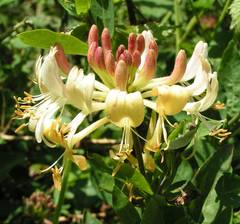
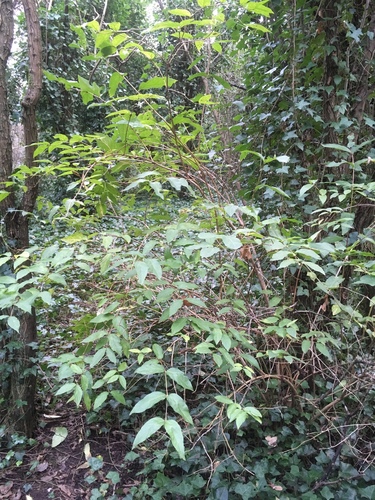
Lonicera × purpusii is a semi-evergreen to deciduous, spreading woody shrub reaching 6–8 feet (1.8–2.4 m) tall and 6–10 feet (1.8–3 m) wide. The interspecific hybrid between L. fragrantissima and L. standishii was raised by Alfred Purpus at Darmstadt Botanical Garden in Germany around 1920. Flowers are tubular, cream-white, 0.5–0.7 inches (12–18 mm) long, produced in pairs along bare or semi-bare winter stems from December through March over a 10–14 week window. Fragrance is strong and sweet with jasmine-like character, detectable 10–20 feet (3–6 m) from the plant on still winter days. Leaves are opposite, ovate to elliptic, 1.5–3 inches (4–8 cm) long, dark green, semi-evergreen in USDA zones 7–9 and fully deciduous in zones 5–6. Small red berries 0.25 inch (6 mm) across may follow in spring. The habit is open and spreading with arching branches; the shrub widens laterally with age and becomes leggy without renewal pruning. Growth rate is moderate to fast at 1–2 feet (30–60 cm) per year, reaching mature size in 5 years. Hardy to USDA zone 5. All parts, especially the berries, contain saponins and iridoid glycosides; ingestion of 15 or more berries can cause vomiting, diarrhea, and elevated heart rate in pets, livestock, and humans.
Native Range
Lonicera × purpusii is a garden hybrid first raised by Alfred Purpus at Darmstadt Botanical Garden in Germany around 1920. The parent species are L. fragrantissima (winter honeysuckle, native to eastern China) and L. standishii (Standish honeysuckle, also native to China).Suggested Uses
Used near paths, entrances, windows, and winter-use seating areas at 6–8 foot (1.8–2.4 m) spacing where the December–March fragrance can be detected during winter garden visits. Bloom overlaps with Chimonanthus praecox (wintersweet), Hamamelis (witch hazel), and Sarcococca (sweet box) and pairs with these as fragrant winter-interest plantings. Flowers are small and inconspicuous visually; the fragrance carries the seasonal interest. The open spreading habit needs 10 feet (3 m) of lateral space and renewal pruning to avoid legginess; the plant does not form a tight hedge or tolerate heavy shade.How to Identify
Appearance
Size & Dimensions
Height6' - 8'
Width/Spread6' - 10'
Bloom Information
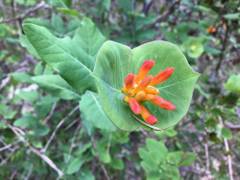
Tubular cream-white flowers 0.5–0.7 inches (12–18 mm) long form in pairs along bare or semi-bare winter stems from December through March over a 10–14 week window. Fragrance is strong and jasmine-like, detectable 10–20 feet (3–6 m) from the plant on still winter days. Small red berries 0.25 inch (6 mm) may follow in spring.
Detailed Descriptions
Flower Description
Cream-white tubular flowers 0.5-0.7 inches long; paired along bare or semi-bare winter stems; strongly fragrant with jasmine-like scentFoliage Description
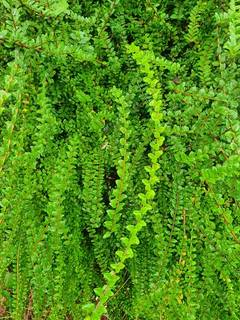
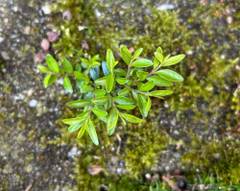
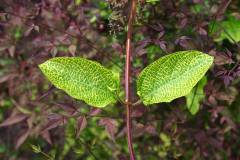
Dark green, opposite, ovate to elliptic, 1.5-3 inches long; semi-evergreen in mild winters, deciduous in cold wintersGrowing Conditions
Sun Requirements
Requires 4-8 hours of direct sunlight daily
• Full Sun: 6+ hours of direct sunlight
• Partial Shade: 3-6 hours of direct sunlight
• Full Shade: Less than 3 hours of direct sunlight
Care & Maintenance
Care Guide
Grow in full sun to partial shade with 4–8 hours of direct light in average, well-drained loam, clay, or chalk soil at pH 5.5–8.0. Tolerates alkaline soils and seasonal drought once established. Water deeply during the first two growing seasons, then reduce to supplemental irrigation during extended drought. Apply a balanced fertilizer in early spring after bloom at 1 tablespoon per square foot (30 g/m²). The open spreading habit becomes leggy without annual renewal pruning. No significant pest or disease problems have been reported. Hardy to USDA zone 5; flower buds survive temperatures to –20°F (–29°C) but can be damaged by ice storms during the winter bloom window.Pruning
Prune in early spring (March–April) immediately after flowering. Remove one-third of the oldest stems at the base each year to maintain a supply of new flowering wood. Winter or autumn pruning removes developing flower buds and eliminates the next winter's bloom. Renovation pruning to 12 inches (30 cm) in March is tolerated but forfeits the following winter's flowering for one season.Pruning Schedule
Prune: March–April
early spring