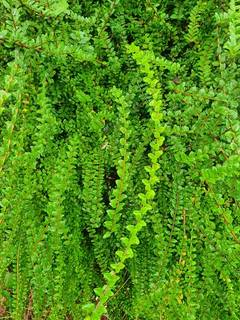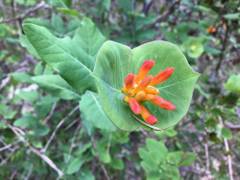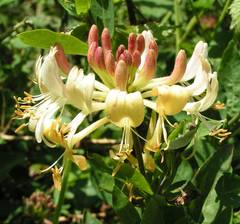
Lonicera, Genus, japonica, Species, 'Aureoreticulata', Cultivar,
- Genus & species
- Cultivar
golden net honeysuckle
East Asia (Japan, Korea, China); woodland margins, hedgerows, scrub. The species is naturalized and listed as invasive across much of eastern North America and in parts of Australia and South America.
Overview
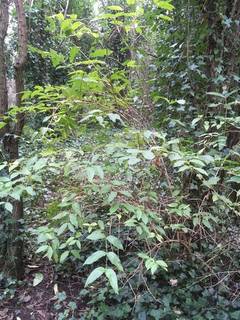
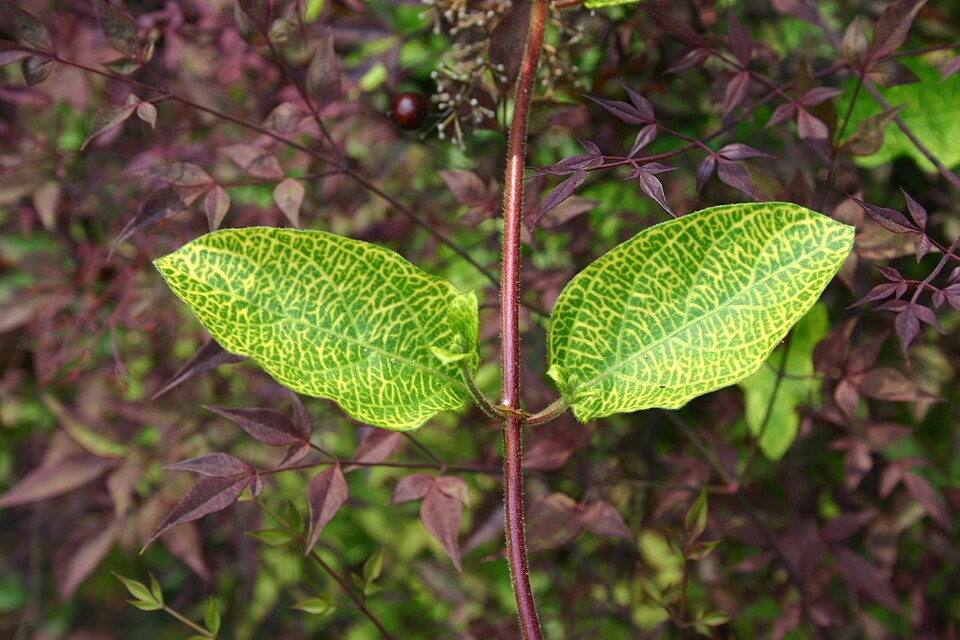
Lonicera japonica 'Aureoreticulata' is a semi-evergreen to evergreen twining vine reaching 10-15 feet (3-4.5 m) tall with a spread of 6-10 feet (1.8-3 m). The ovate to oblong leaves are 1.5-3 inches (4-8 cm) long with a green background overlaid by a network of golden-yellow veins, producing a reticulate pattern. The gold-veined expression is brightest on new spring and summer growth; autumn leaves take on pink and purple tones before some drop in colder zones. Tubular two-lipped flowers 1-1.5 inches (2.5-4 cm) long open white and age to yellow, carried in pairs from the leaf axils from June through September, with a sweet honeysuckle fragrance. Small black berries follow. The cultivar is less vigorous than the species type — 10-15 feet rather than the 20-30 feet (6-9 m) possible on the species — but it still spreads by layering wherever stems contact soil. The species L. japonica is naturalized across much of eastern North America and listed as invasive or noxious in many states including Connecticut, Illinois, Massachusetts, Tennessee, and Virginia; sale or planting is restricted or prohibited in parts of that range. Hardy to USDA zone 5. All plant parts are toxic to cats and dogs if ingested.
Native Range
Lonicera japonica is native to East Asia — Japan, Korea, and China — where it grows in woodland margins, hedgerows, and scrub. The species has naturalized widely in eastern North America, southeastern Australia, New Zealand, and parts of South America.Suggested Uses
Used on trellises, arbors, fences, and walls in zones 5-9 at 4-6 foot (1.2-1.8 m) spacing. The gold-net foliage carries ornamental interest independent of bloom. Functions in containers of at least 7 gallons (26 L) with support. Soil-layering spread and the invasive listing of the species type limit siting — the cultivar is not sold or planted in jurisdictions where L. japonica is regulated. Not suited to deep shade (loss of gold color), hot dry walls (leaf scorch), or positions where layering spread cannot be contained.How to Identify
Appearance
Size & Dimensions
Height10' - 15'
Width/Spread6' - 10'
Bloom Information
Tubular two-lipped flowers 1-1.5 inches (2.5-4 cm) long, opening white and aging to yellow, paired from the leaf axils from June through September. Sweet honeysuckle fragrance. Flowering is lighter than on the species type. Small black berries follow. Bloom duration is 12-14 weeks.
Detailed Descriptions
Flower Description
White aging to yellow; tubular two-lipped 1-1.5 inches (2.5-4 cm) long; paired from leaf axils; sweet honeysuckle fragranceFoliage Description
Green with golden-yellow reticulate (net-patterned) veins; ovate to oblong 1.5-3 inches (4-8 cm); brightest on spring and summer growth; pink and purple tones in autumnGrowing Conditions
Sun Requirements
Requires 4-7 hours of direct sunlight daily
• Full Sun: 6+ hours of direct sunlight
• Partial Shade: 3-6 hours of direct sunlight
• Full Shade: Less than 3 hours of direct sunlight
Care & Maintenance
Care Guide
Grows in full sun to partial shade in average, well-drained soil at pH 5.5-8.0. Hardy to USDA zone 5. Golden vein color develops most strongly in partial shade with some direct light; full shade reduces the gold pigment and full hot-climate sun can scorch leaves. The cultivar is less vigorous than the species type but can still layer from stems touching soil. All-green reverted shoots grow faster than variegated growth and will dominate the plant if left in place. The species L. japonica is listed as invasive in many eastern United States jurisdictions, with local restrictions on sale and planting.Pruning
Prune in late winter or early spring to control size and remove dead, damaged, or tangled growth. Renovate leggy plants by cutting back hard to 12-18 inches (30-45 cm). Any all-green reverted shoots can be cut at the base at first sight — they outgrow variegated growth otherwise. Annual thinning keeps the vine open and reduces the risk of a dense, tangled mat.Pruning Schedule
Prune: February–March
winterearly spring
Container Growing
Suitable for container growing
Minimum container size: 7 gallons