Lonicera, Genus, ciliosa, Species,
- Genus & species
trumpet honeysuckle
British Columbia south through Washington and Oregon to California; east to Montana and Wyoming; forest edges, open woodlands, and shrub thickets
Overview
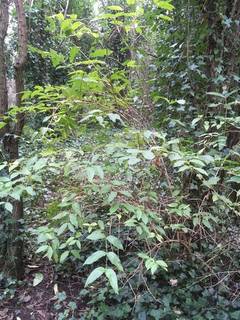
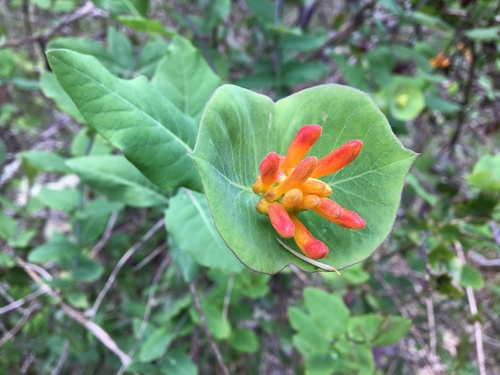
Lonicera ciliosa is orange honeysuckle (western trumpet honeysuckle), a climbing deciduous native vine growing 10-20 feet (3-6 m) tall and 3-6 feet (90-180 cm) wide. Vivid orange-red narrowly tubular flowers 1-1.5 inches (2.5-4 cm) long in whorled terminal clusters from May through July (8 weeks). Translucent orange-red berries follow in August-September. Blue-green opposite leaves 1.5-3.5 inches (4-9 cm); the terminal pair fused into a round perfoliate disc with the stem passing through the center — the most diagnostic vegetative feature. In Caprifoliaceae. Ciliosa = fringed with hairs (referring to ciliate leaf margins). Native to BC south through WA, OR, CA, east to MT and WY. Found at forest edges, in open woodlands, and shrub thickets. The premier native PNW hummingbird vine — the narrow orange-red tubular flowers are precisely adapted for hummingbird tongues and attract rufous and Anna's hummingbirds. NOT fragrant — unlike the invasive Japanese honeysuckle (L. japonica). A well-mannered native that does not sucker. Drought-tolerant once established. Non-toxic. Zones 5-9. Part sun to full sun. Growth rate is moderate.
Native Range
Native to British Columbia south through Washington and Oregon to California, east to Montana and Wyoming. Found at forest edges, in open woodlands, and shrub thickets.Suggested Uses
Grown on trellises, arbors, fences, and into trees in native plant gardens, hummingbird gardens, and pollinator gardens, spaced 3-6 feet (90-180 cm). Premier hummingbird vine. Perfoliate leaves. Native — not invasive. Non-toxic. Zones 5-9.How to Identify
Appearance
Size & Dimensions
Height10' - 20'
Width/Spread3' - 6'
Bloom Information
Late spring to mid summer (May-July). Vivid orange-red narrowly tubular flowers 1-1.5 inches (2.5-4 cm) in whorled terminal clusters above the perfoliate leaf disc. 8 weeks. Hummingbird-pollinated (rufous and Anna's). Translucent orange-red berries follow in August-September.
Detailed Descriptions
Flower Description
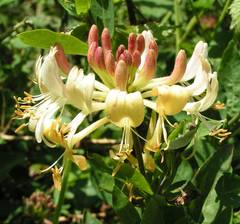
Vivid orange-red narrowly tubular flowers 1-1.5 inches (2.5-4 cm) long and only 0.2-0.4 inch (5-10 mm) wide — the very narrow tube is adapted for hummingbird tongues; held in whorled terminal clusters above the perfoliate leaf disc; May-July; followed by orange-red to translucent red berries in August-SeptemberFoliage Description
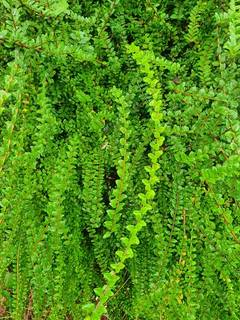
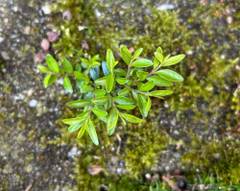
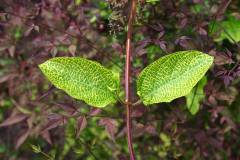
Blue-green, opposite, oval to oblong leaves 1.5-3.5 inches (4-9 cm); the terminal pair of leaves is fused into a round disc (perfoliate) — the stem appears to pass through the center of the disc — the most diagnostic vegetative feature; ciliosa = fringed with hairs (referring to the ciliate leaf margins); turns yellow in fallGrowing Conditions
Sun Requirements
Requires 3-8 hours of direct sunlight daily
• Full Sun: 6+ hours of direct sunlight
• Partial Shade: 3-6 hours of direct sunlight
• Full Shade: Less than 3 hours of direct sunlight
Care & Maintenance
Care Guide
Part sun to full sun (3-8 hours). Loam, sand, or rocky soil pH 5.5-7.5. Drought-tolerant once established. Provide a climbing support at planting. Light pruning after flowering. Premier native hummingbird vine. NOT the invasive L. japonica. Non-toxic. Zones 5-9.Pruning
Light pruning after flowering (August) to shape. Harder pruning in late winter (February) to control size if needed. The natural form is the typical goal — does not require hard annual pruning.Pruning Schedule
Prune: February & August
summerearly spring