Image 1 of 7
1 / 7
Plant Reference
Lonicera, Genus, pileata, Species,
- Genus & species
box-leaved honeysuckle
Central and western China — Hubei, Sichuan, and Yunnan provinces; mountain forests and scrubland
Overview
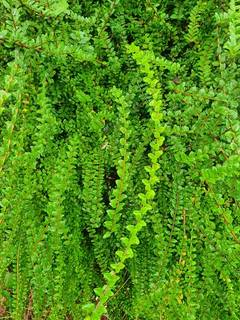
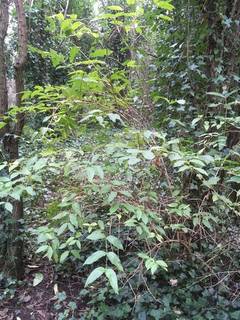
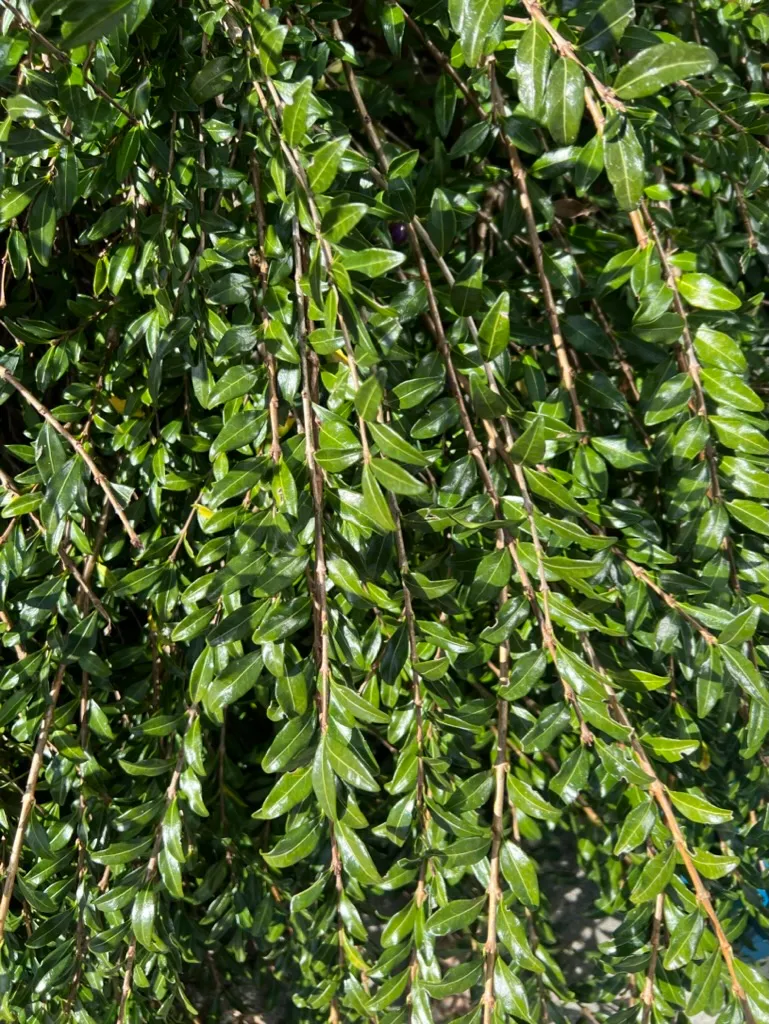
Lonicera pileata is box-leaved honeysuckle (privet honeysuckle), a low spreading evergreen shrub growing 2-3 feet (0.6-0.9 m) tall and 4-8 feet (1.2-2.4 m) wide. Tiny creamy-white to pale yellow lightly fragrant tubular flowers 0.3 inch (8 mm) in May (2 weeks). Translucent amethyst-violet berries 0.2 inch (5 mm) in late summer. Glossy dark green small ovate leaves 0.5-1.2 inches (1.3-3 cm) on horizontal layered branches. In Caprifoliaceae. Native to central and western China. The wide-spreading horizontal branching creates a naturally layered ground-covering form — wider than tall (2-3 feet / 0.6-0.9 m high × 4-8 feet / 1.2-2.4 m wide). Semi-evergreen in cold zone 5 winters (drops leaves below 0°F / -18°C). Tolerates shade, clay, and drought once established. Deer browse — this is the primary wildlife limitation. Non-toxic. Zones 5-9. Part sun to full shade or full sun. Growth rate is moderate.
Native Range
Native to central and western China — Hubei, Sichuan, and Yunnan provinces. Found in mountain forests and scrubland.Suggested Uses
Grown as a low evergreen ground cover, informal hedge, under-planting for taller shrubs, and in containers of at least 5 gallons (19 L), spaced 4-8 feet (1.2-2.4 m). Low spreading. Layered horizontal form. Amethyst berries. Non-toxic. Zones 5-9.How to Identify
Appearance
Size & Dimensions
Height2' - 3'
Width/Spread4' - 8'
Bloom Information
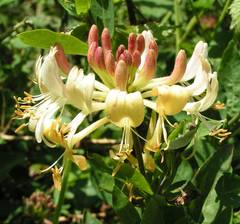
Mid spring (May). Creamy-white to pale yellow tubular flowers 0.3 inch (8 mm), lightly fragrant, in pairs at leaf axils. 2 weeks. Bee-visited. Translucent amethyst-violet berries follow in late summer.
Detailed Descriptions
Flower Description
Creamy-white to pale yellow, tiny, tubular, 0.3 inch (8 mm), lightly fragrant, in pairs at leaf axils; May; followed by translucent amethyst-violet berries 0.2 inch (5 mm) in late summer — the berries are among the most ornamental of any shrubby honeysuckleFoliage Description
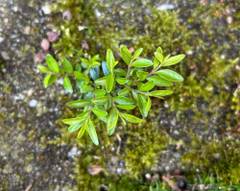
Glossy dark green, small, ovate to oblong, 0.5-1.2 inches (1.3-3 cm), semi-evergreen in cold winters (drops leaves below about 0°F / -18°C); horizontal branching with a distinctive layered tiered habitGrowing Conditions
Sun Requirements
Requires 2-8 hours of direct sunlight daily
• Full Sun: 6+ hours of direct sunlight
• Partial Shade: 3-6 hours of direct sunlight
• Full Shade: Less than 3 hours of direct sunlight
Care & Maintenance
Care Guide
Part sun to full sun or full shade (2-8 hours). Well-drained soil pH 5.5-7.5. Tolerates clay. Drought-tolerant once established. Shade-tolerant. Semi-evergreen below 0°F (-18°C). Prune after flowering (May-June). Deer browse. Non-toxic. Zones 5-9.Pruning
Prune after flowering (May-June) to shape. Tolerates formal shearing. The natural horizontal layered habit requires minimal shaping in informal settings.Pruning Schedule
Prune: May–June
late spring
Container Growing
Suitable for container growing
Minimum container size: 5 gallons