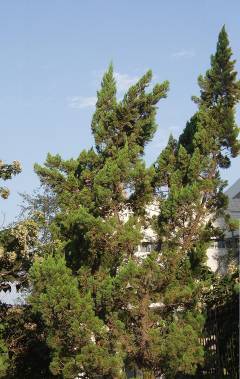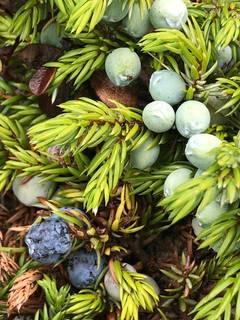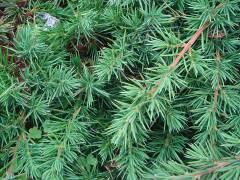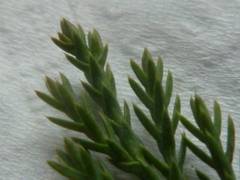
Juniperus, Genus, horizontalis, Species, 'Lime Glow', Cultivar,
- Genus & species
- Cultivar
lime glow juniper
North America (creeping juniper origin)
Overview
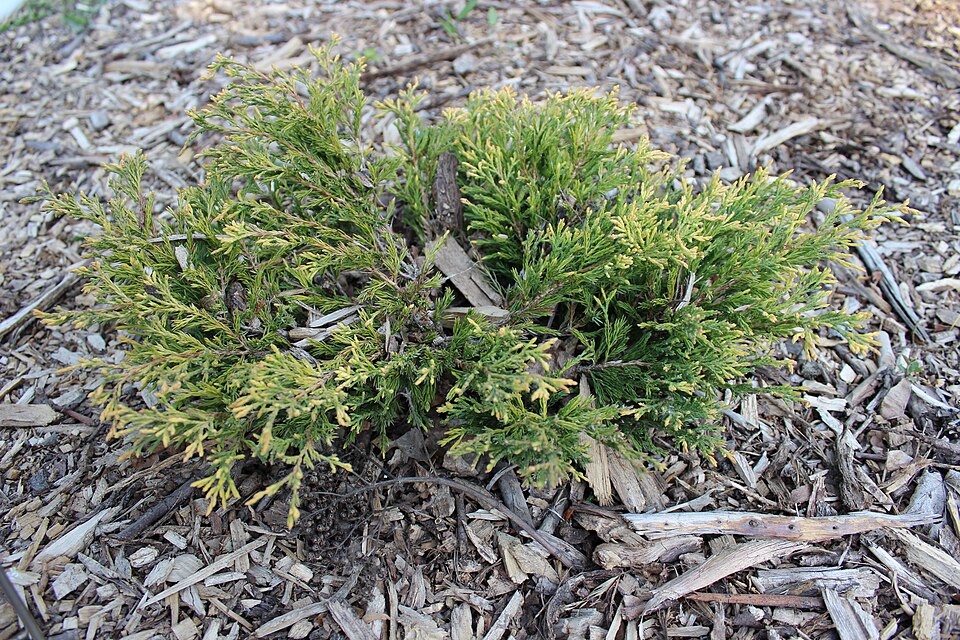
Juniperus horizontalis 'Lime Glow' is a low-growing evergreen coniferous cultivar selected for chartreuse-yellow new growth, reaching 12-18 inches (30-45 cm) tall and 3-4 feet (90-120 cm) wide at maturity over 8-10 years. The plant forms an upright vase-shaped center that opens outward, with prostrate side branches arching toward the ground. Foliage is scale-like (adult), 0.04-0.08 inch (1-2 mm), bright chartreuse to yellow-green during the growing season, deepening to bronze-orange in winter, and returning to chartreuse with new growth in spring. Juvenile foliage on shaded interior branches is needle-like, 0.2-0.4 inch (5-10 mm), and prickly. The cultivar is dioecious; most commercial stock is male, producing pollen but no fruit. Growth rate is slow at 4-6 inches (10-15 cm) per year. Plants tolerate poor sandy and rocky soils with sharp drainage and a wide pH range from 5.0 to 7.5. Limitations include scorch damage on new yellow growth in afternoon sun in zones 8-9, susceptibility to phomopsis and kabatina tip blights in humid summers, and color fade to dull green in part shade. Snow load can splay the upright center permanently in heavy-snow regions.
Native Range
The species Juniperus horizontalis (creeping juniper) is native to North America from Alaska across Canada to Newfoundland, south through the northern United States to New York, the Great Lakes region, and the Rocky Mountain states. It occurs on dry sandy ridges, rocky outcrops, dunes, and exposed bluffs, often on calcareous soils. 'Lime Glow' was selected by Wells Nursery and introduced to the nursery trade in the 1980s.Suggested Uses
Used in foundation plantings, low borders, rock gardens, and slope plantings in zones 3-7 for color contrast against dark green conifers and broadleaf evergreens. Spaced 36-48 inches (90-120 cm) apart for groundcover plantings. Plants grow in 7-15 gallon (26-57 L) containers, holding form 8-10 years before crowding the rim.How to Identify
Appearance
Size & Dimensions
Height1' - 1'6"
Width/Spread3' - 4'
Bloom Information
Pollen cones release in March-April; juniper foliage produces no showy bloom. Most J. horizontalis 'Lime Glow' clones in the trade are male and set no fruit. Female plants, when present, ripen blue-bloomed cones 0.2-0.3 inch (5-8 mm) over two seasons, maturing in autumn of the second year.
Detailed Descriptions
Foliage Description
chartreuse to yellow-green; bronze-orange in winterGrowing Conditions
Sun Requirements
Requires 6-12 hours of direct sunlight daily
• Full Sun: 6+ hours of direct sunlight
• Partial Shade: 3-6 hours of direct sunlight
• Full Shade: Less than 3 hours of direct sunlight
Care & Maintenance
Care Guide
Full sun for 6-8 hours daily maintains chartreuse color; partial shade fades color to dull green and weakens density. Watering at 7-10 day intervals supports the first two growing seasons; established plants tolerate 4-6 weeks of drought in zones 4-7. Sharp drainage is critical; root rot from Phytophthora appears within 1-2 seasons in standing water. Yellow foliage scorches at temperatures above 95°F (35°C) in zones 8-9 when exposed to afternoon sun; morning sun with afternoon shade preserves color in those climates. Phomopsis tip blight appears as orange-brown branchlet death in humid summers; affected tips are pruned out. Snow load can permanently splay the upright center; light shaking after heavy snowfall reduces deformation.Pruning
Pruning is minimal and limited to removal of dead or damaged branches in late spring after new growth hardens. Tip pinching in spring increases lateral branching and density. Cuts into old leafless interior wood do not regenerate. Multiple-leader plants are corrected by removing all but one central stem in the first 2-3 years.Pruning Schedule
Prune: May–June
late spring
Container Growing
Suitable for container growing
Minimum container size: 7 gallons