Juniperus, Genus, occidentalis, Species,
- Genus & species
western juniper
Interior Pacific Northwest (E Oregon, E Washington, NE California, NW Nevada, SW Idaho; 2000-10000 ft / 600-3000 m; dry rocky slopes, lava flows, high-desert plateaus)
Overview
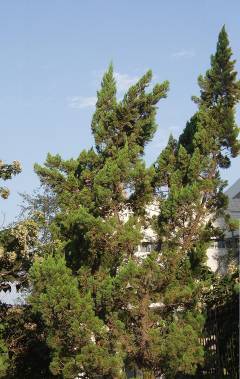
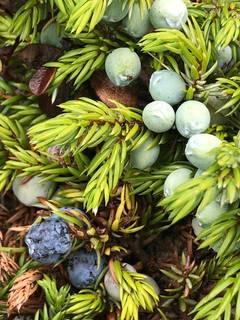
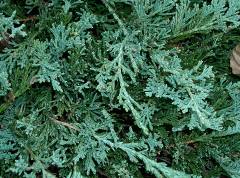
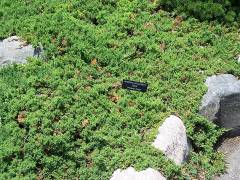
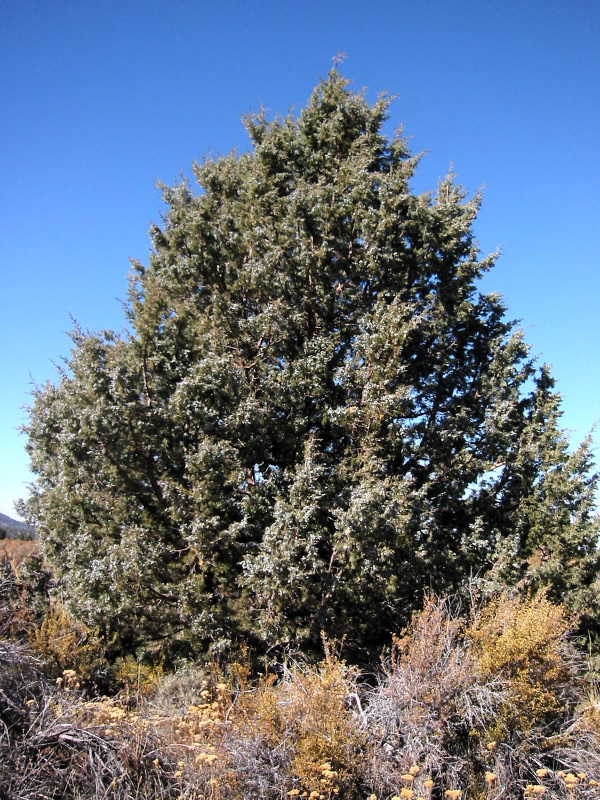
Juniperus occidentalis is a long-lived, evergreen, coniferous tree reaching 20–40 feet (6–12 m) tall in cultivation with a spread of 15–25 feet (4.5–7.5 m), though wild specimens in open high-desert sites may be broader than tall and centuries old. The trunk is massive and often twisted, with thick, reddish-brown, fibrous bark that becomes deeply furrowed with age. The scale-like foliage is arranged in dense sprays, gray-green to dull green, with visible resin glands on the leaf surfaces. The canopy is typically conical when young, becoming rounded, irregular, and often flat-topped with age. Female trees produce round, blue-black berry-like cones 0.3–0.4 inches (8–10 mm) in diameter with a waxy bloom, ripening in 2 years. Individual trees in the wild can exceed 1,000 years of age. Growth rate is slow—3–6 inches (8–15 cm) per year in height. Hardy to zone 5.
Native Range
Juniperus occidentalis is native to the interior mountains of the Pacific Northwest—eastern Oregon, eastern Washington, northeastern California, northwestern Nevada, and southwestern Idaho—at 2,000–10,000 feet (600–3,000 m) elevation on dry, rocky slopes, lava flows, and high-desert plateaus.Suggested Uses
Planted as a specimen tree in dry, naturalistic landscapes, high-desert gardens, and xeric plantings at 15–20 foot (4.5–6 m) spacing. The massive trunk, fibrous bark, and sculptural form develop over decades. The extreme longevity (1,000+ years in wild) and slow growth rate mean this is a multigenerational planting. Not suitable for small gardens (eventual 20–40 foot height), wet soils, humid climates, or sites where fast growth is needed.How to Identify
Appearance
Size & Dimensions
Height20' - 40'
Width/Spread15' - 25'
Bloom Information
Male strobili release pollen in April–May. Female trees produce round, blue-black berry-like cones 0.3–0.4 inches (8–10 mm) with waxy bloom, ripening over 2 years. Dioecious—male and female cones on separate trees.
Detailed Descriptions
Foliage Description
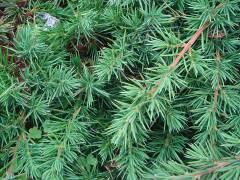
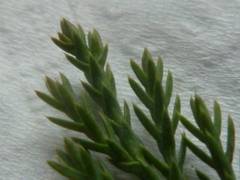
Gray-green to dull green; scale-like in dense sprays; visible resin glandsGrowing Conditions
Sun Requirements
Requires 6-12 hours of direct sunlight daily
• Full Sun: 6+ hours of direct sunlight
• Partial Shade: 3-6 hours of direct sunlight
• Full Shade: Less than 3 hours of direct sunlight