Juniperus, Genus, virginiana, Species, 'Brodie', Cultivar,
- Genus & species
- Cultivar
brodie eastern red cedar
Cultivar; species native to eastern and central North America (Maine to Florida, west to Texas and Manitoba)
Overview
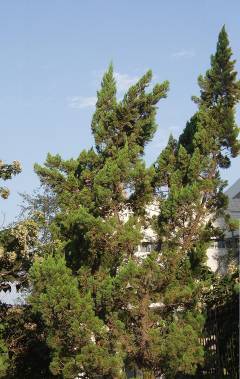
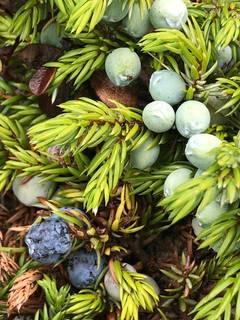
Juniperus virginiana 'Brodie' is a pyramidal eastern red cedar reaching 180-300 inches (450-750 cm) tall and 60-120 inches (150-300 cm) wide. Dense scale-like dark green evergreen foliage holds color through winter with slight bronze tint in cold zones. The species J. virginiana is native to eastern and central North America from Maine to Florida and west to the Great Plains, and is a juniper rather than a true cedar despite the common name; the aromatic reddish-brown heartwood is the source of cedar chests, closet linings, and fence posts. 'Brodie' is a female clone producing small blue-gray glaucous berry-like cones (modified scales) 0.25 inch (6 mm) consumed by cedar waxwings, robins, and many other birds; junipers in general are the source of berries used to flavor gin (primarily Juniperus communis, but related). Tolerates drought, alkaline soil to pH 8.0, rocky soil, wind, heat, and extreme cold to -40°F (-40°C). Cedar-apple rust (Gymnosporangium juniperi-virginianae) develops where Juniperus and Malus (apple, crabapple) grow within 500 feet (150 m), forming gelatinous orange galls on juniper branches in wet spring weather. Bagworms strip foliage in summer. White-tailed deer rarely browse junipers due to volatile foliage oils. Junipers do not regenerate from bare interior wood. All parts (foliage and berries) are toxic to humans, dogs, cats, and horses if ingested in quantity. Hardy in USDA zones 3-9.
Native Range
Juniperus virginiana is native to eastern and central North America, occurring on dry hillsides, abandoned fields, fence rows, and rocky outcrops from southern Quebec to northern Florida and west to Texas, North Dakota, and Manitoba. 'Brodie' is a garden cultivar of nursery origin selected as a uniform pyramidal female clone.Suggested Uses
Used as a screen, windbreak, specimen, native reforestation, or wildlife habitat planting in zones 3-9, spaced 60-96 inches (150-240 cm) apart for closed screening. Tolerance of poor soils, drought, wind, heat, and extreme cold suits it to exposed sites where less-tolerant evergreens fail. Sites within 500 feet (150 m) of apple or crabapple orchards carry ongoing cedar-apple rust pressure that affects both juniper and orchard. Native range across eastern and central North America makes it suited to ecological restoration and bird habitat plantings.How to Identify
Appearance
Size & Dimensions
Height15' - 25'
Width/Spread5' - 10'
Bloom Information
Reproductive structures are inconspicuous. Male trees release abundant yellow pollen in February-March, contributing significantly to spring allergic responses in sensitive populations. Female cones (small blue-gray glaucous berry-like structures) ripen over a single growing season and persist into winter, where birds disperse the seeds.
Detailed Descriptions
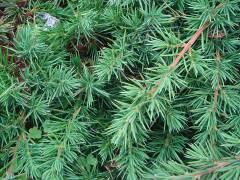
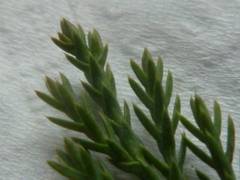
Foliage Description
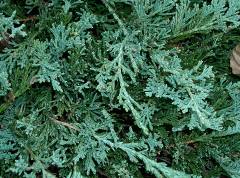
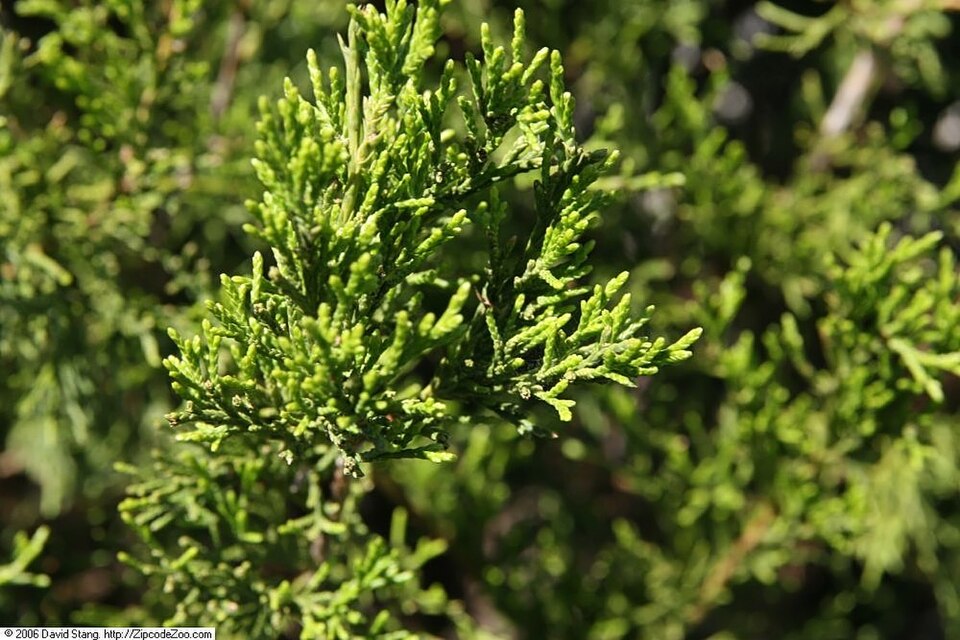
Dark green, scale-like, denseGrowing Conditions
Sun Requirements
Requires 6-12 hours of direct sunlight daily
• Full Sun: 6+ hours of direct sunlight
• Partial Shade: 3-6 hours of direct sunlight
• Full Shade: Less than 3 hours of direct sunlight
Care & Maintenance
Care Guide
Full sun (6+ hours) is required for dense growth and disease resistance; partial shade produces sparse foliage. Tolerates drought, alkaline soil to pH 8.0, rocky soil, wind, heat, and extreme cold to -40°F (-40°C). Drought tolerance develops after 2-3 years; established plants tolerate 6-8 weeks without rain. Cedar-apple rust (Gymnosporangium juniperi-virginianae) develops where Juniperus and Malus (apple, crabapple) grow within 500 feet (150 m); resistant apple cultivars exist where co-planting is unavoidable, and removal of orange spring galls reduces but does not eliminate spore release. Bagworms strip foliage in summer and form 1-2 inch (2.5-5 cm) silk bags. Junipers do not regenerate from bare wood. Hardy in USDA zones 3-9.Pruning
The pyramidal form requires no shearing for shape. Light surface shearing in late spring after new growth hardens maintains formal hedging. Pruning cuts into bare interior wood produce permanent gaps. Removing cedar-apple rust galls in early spring before spore release reduces local apple infection pressure.Pruning Schedule
Prune: May–June
late spring
Container Growing
Minimum container size: 25 gallons