Juniperus, Genus, horizontalis, Species,
- Genus & species
creeping juniper
North America (Alaska to Newfoundland, south to Montana, Great Lakes, and New England)
Overview
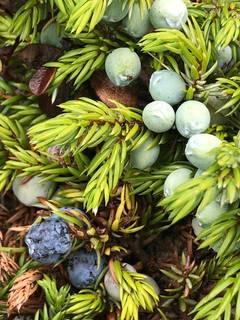
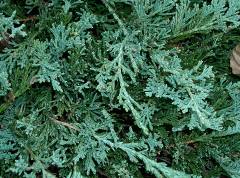
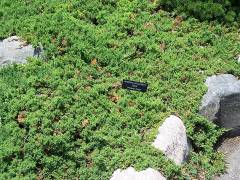
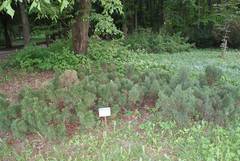
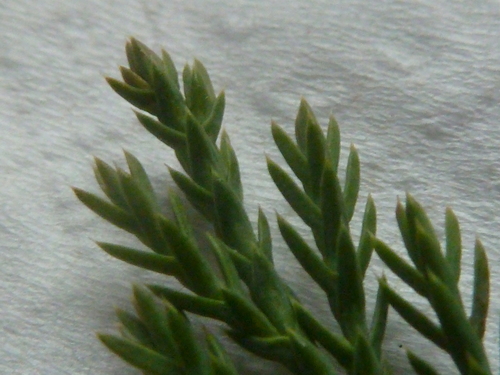
Juniperus horizontalis is a prostrate coniferous evergreen shrub growing 6-18 inches (15-45 cm) tall and spreading 6-10 feet (1.8-3 m / 72-120 inches / 180-300 cm) wide. Scale-like foliage is blue-green to steel-blue, with many cultivars developing purple-bronze tints in winter. Cultivars span a range of habits and colors: 'Wiltonii' (Blue Rug) gives the flattest form at 4-6 inches (10-15 cm) in silver-blue; 'Bar Harbor' reaches 12 inches (30 cm) in steel-blue; 'Plumosa' spreads in gray-green turning plum-purple in winter; 'Hughes' reaches 12 inches (30 cm) in silver-blue. Small blue-gray berry-like cones, 0.25 inch (6 mm), develop on female plants. Cold hardiness reaches USDA zone 2 (-50°F / -46°C), reliable farther north than any other cultivated ground-cover juniper; the species is native to exposed northern habitats including coastal dunes, rocky outcrops, and ridges from Alaska to Newfoundland. Tolerates alkaline soil (pH to 8.5), sand, salt spray, and drought. Juniper tip blight (Phomopsis juniperovora) causes brown dieback of branch tips in wet springs; improving air circulation reduces disease pressure. Spider mites appear in hot dry conditions. Requires full sun; shaded plants grow open and sparse. Berry-like cones are mildly toxic to dogs and cats. Deer-resistant.
Native Range
Native to North America from Alaska to Newfoundland, south to Montana, the Great Lakes, and New England. Found on exposed coastal dunes, rocky outcrops, and ridges.Suggested Uses
Grown as a groundcover on slopes, banks, and in exposed sites, spaced 6-10 feet (1.8-3 m) apart based on cultivar spread. Cold hardiness to USDA zone 2 makes the species suitable for sites colder than most other cultivated ornamental groundcover junipers. 'Wiltonii' (Blue Rug) gives the flattest form. Tolerates salt spray, sand, and drought. Berry-like cones mildly toxic to pets. Native. Hardy in zones 2-8.How to Identify
Appearance
Size & Dimensions
Height6" - 1'6"
Width/Spread6' - 10'
Bloom Information
Evergreen conifer — no flowers. Small blue-gray berry-like cones, 0.25 inch (6 mm), develop on female plants. The prostrate blue-green to steel-blue evergreen mat with winter purple-bronze tints is the year-round feature.
Detailed Descriptions
Foliage Description
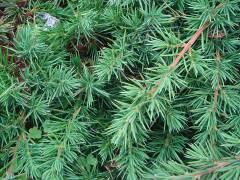
blue-green to steel-blue (scale-like); many cultivars develop purple-bronze tints in winter; 'Bar Harbor' is steel-blue; 'Wiltonii' (Blue Rug) is silver-blueGrowing Conditions
Sun Requirements
Requires 6-10 hours of direct sunlight daily
• Full Sun: 6+ hours of direct sunlight
• Partial Shade: 3-6 hours of direct sunlight
• Full Shade: Less than 3 hours of direct sunlight
Care & Maintenance
Care Guide
Site in full sun (6-10 hours direct sun); shaded plants grow open and sparse. Tolerates alkaline soil (pH to 8.5), sand, salt spray, and drought. Juniper tip blight causes branch-tip dieback in wet springs — open spacing and good air movement reduce disease pressure. Spider mites appear in hot dry conditions. Berry-like cones are mildly toxic to dogs and cats. Deer-resistant. Hardy in zones 2-8.Pruning
No routine pruning is needed; the prostrate form spreads naturally. Remove dead or blighted branch tips in early spring (March-April). Shearing into formal shapes is not used; selective hand-removal preserves the natural spreading form.Pruning Schedule
Prune: March–April
early spring
Container Growing
Minimum container size: 10 gallons