Image 1 of 8
1 / 8
Plant Reference
Juniperus, Genus, chinensis, Species, 'Kaizuka', Cultivar,
- Genus & species
- Cultivar
hollywood juniper
Species native to China, Japan, Mongolia, and the Russian Far East; 'Kaizuka' was selected in Japan
Overview
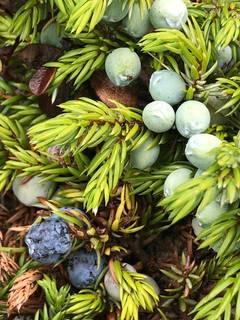
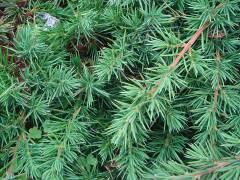
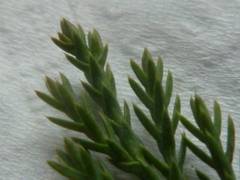
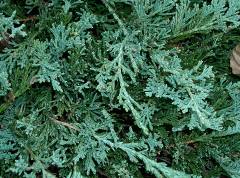
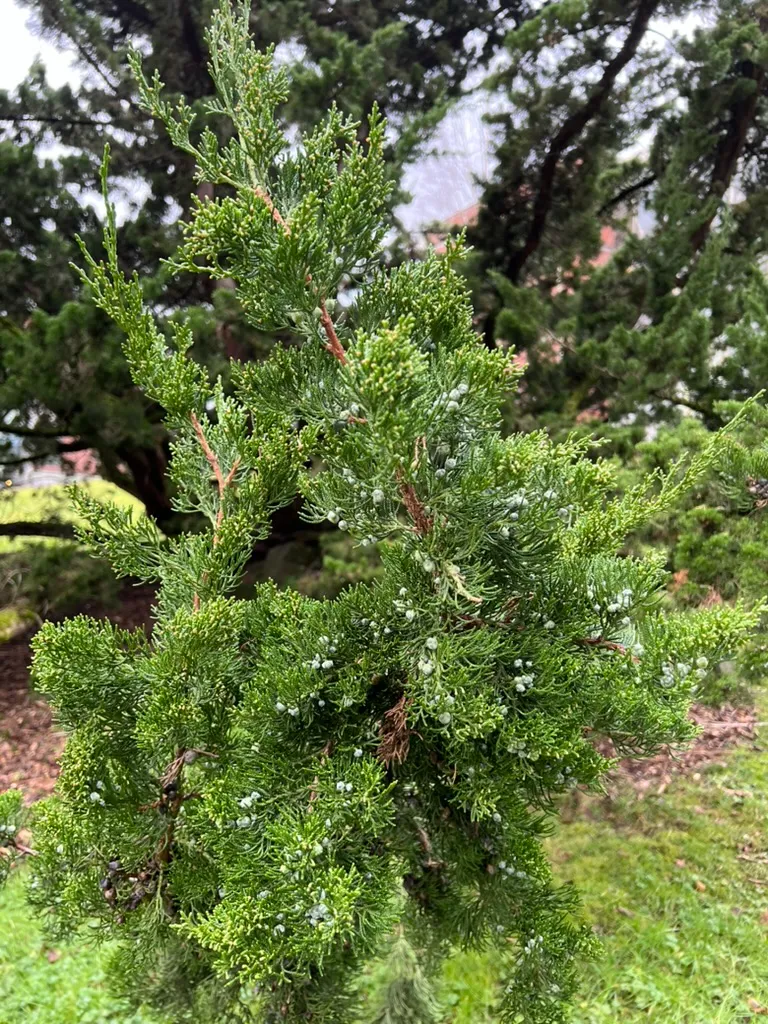
Juniperus chinensis 'Kaizuka' is an upright sculptural coniferous evergreen tree growing 15-20 feet (4.5-6 m) tall and 5-10 feet (1.5-3 m) wide. Twisted ascending branches form a windswept silhouette not matched by other commonly cultivated landscape conifers. Foliage is dark green and dimorphic: juvenile sharp-pointed needles, 0.25 inch (6 mm), and adult overlapping scale-like leaves, 0.06 inch (1.5 mm), occur together on the same plant. Female plants produce blue-black berry-like cones, 0.25-0.5 inch (6-12 mm), in fall; male plants produce small yellow pollen strobili in spring. Cultivar 'Kaizuka' was selected in Japan. J. chinensis is an alternate host for cedar-apple rust (Gymnosporangium species), so plantings are not suitable near apples or pears. Berry-like cones contain thujone and are toxic to pets. Drought-tolerant once established. The slow development of the full sculptural form — typically 20-30 years — is the primary temporal limitation. Deer-resistant.
Native Range
Species native to China, Japan, Mongolia, and the Russian Far East. Found on rocky slopes and open woodland margins. 'Kaizuka' was selected in Japan.Suggested Uses
Grown as a sculptural specimen in Mediterranean, modernist, and Japanese-influenced gardens, spaced 5-10 feet (1.5-3 m) apart. The twisted windswept silhouette suits sites where the form can be viewed in the round. Cedar-apple rust host — plantings are not suitable near apples or pears. Cones are toxic to pets. Hardy in zones 6-9.How to Identify
Appearance
Size & Dimensions
Height15' - 20'
Width/Spread5' - 10'
Bloom Information
Spring (March-April). Inconspicuous. Dioecious. Male plants produce small yellow pollen strobili. Female plants produce blue-black berry-like cones, 0.25-0.5 inch (6-12 mm), in fall. Wind-pollinated.
Detailed Descriptions
Foliage Description
dark green dimorphic foliage — mixed juvenile needle-like foliage (sharp-pointed, 0.25 inch / 6 mm) and adult scale-like foliage (overlapping, 0.06 inch / 1.5 mm); twisted ascending branches create a sculptural windswept silhouette; occasional bronze tinting in winter; evergreen year-roundGrowing Conditions
Sun Requirements
Requires 6-12 hours of direct sunlight daily
• Full Sun: 6+ hours of direct sunlight
• Partial Shade: 3-6 hours of direct sunlight
• Full Shade: Less than 3 hours of direct sunlight
Care & Maintenance
Care Guide
Site in full sun (6-12 hours) in well-drained soil with a pH of 5.5-7.5. Drought-tolerant once established. J. chinensis is an alternate host for cedar-apple rust, so sites near apple or pear trees are not suitable. Berry-like cones contain thujone and are toxic to pets; fallen cones should be cleared from areas where pets forage. Susceptible to juniper tip blight in humid conditions. Minimal pruning. Deer-resistant. Hardy in zones 6-9.Pruning
Prune in early spring (March-April) to remove dead or crossing branches. Shearing destroys the sculptural silhouette and should not be used; selective hand-removal of individual branches can enhance the windswept character. The natural form develops over 20-30 years.Pruning Schedule
Prune: March–April
early spring