Juniperus, Genus, procumbens, Species, 'Nana', Cultivar,
- Genus & species
- Cultivar
dwarf Japanese garden juniper
Rocky coastal and montane slopes of southern Japan (Kyushu and Shikoku)
Overview
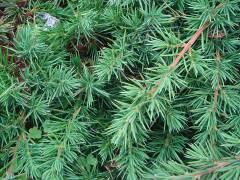
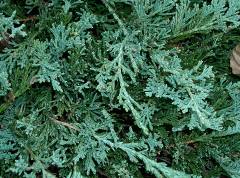
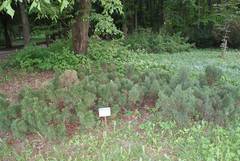
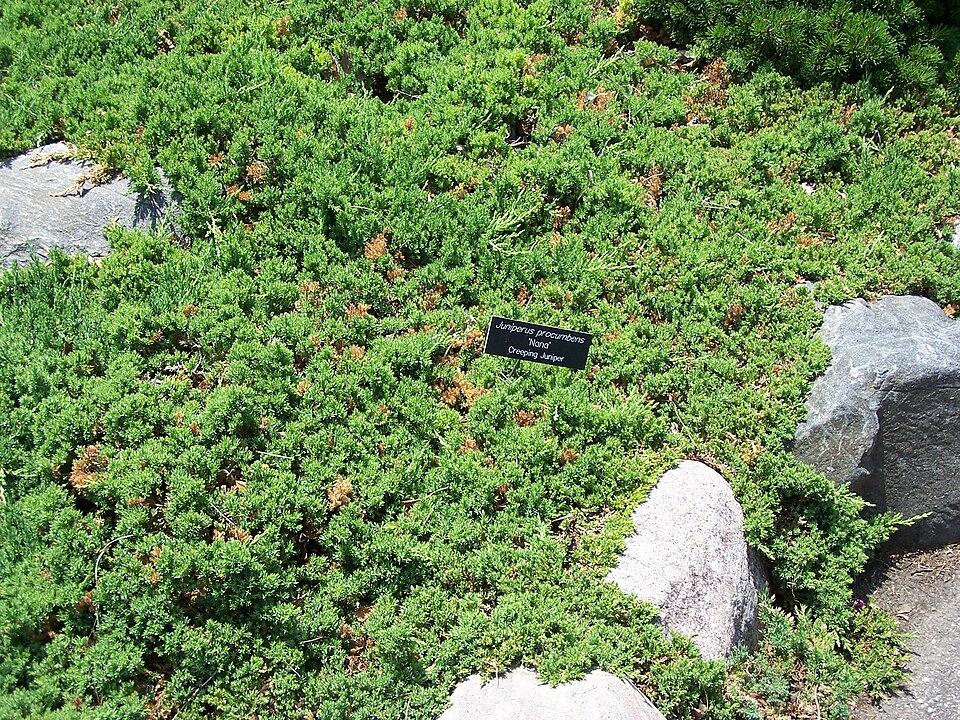
Juniperus procumbens 'Nana' is a prostrate spreading coniferous evergreen shrub growing 12-18 inches (30-45 cm) tall and 4-6 feet (1.2-1.8 m) wide over 10-15 years. Sharp-pointed juvenile-type needle foliage is blue-green to gray-green, arranged in whorls of three at 0.25 inch (6 mm) per needle; the plant retains juvenile needles throughout its life and does not develop adult scale foliage. Horizontal branches are tiered and overlapping, creating a sculptural layered mat. The cultivar name translates as procumbens = prostrate, nana = dwarf. 'Nana' is widely used in Japanese-style bonsai practice, valued for the tolerance of frequent pruning and the naturally layered branch structure. Native to rocky coastal and montane slopes of southern Japan (Kyushu and Shikoku). Growth rate is very slow — 10-15 years to fill a 4-6 foot (1.2-1.8 m) spread. Susceptible to Phomopsis tip blight in humid conditions and to spider mites in hot dry conditions. Sharp needle tips are prickly and require gloves when handling. Contains thujone compounds and is toxic to pets. Drought-tolerant once established. Deer-resistant.
Native Range
Native to rocky coastal and montane slopes of southern Japan (Kyushu and Shikoku).Suggested Uses
Grown as an evergreen groundcover, rock garden specimen, bonsai subject, and in containers of at least 10 gallons (38 L), spaced 4-6 feet (1.2-1.8 m) apart. The layered branch structure and tolerance of frequent pruning make this cultivar a standard in Japanese-style bonsai. Very slow-growing. Toxic to pets. Hardy in zones 4-9.How to Identify
Appearance
Size & Dimensions
Height1' - 1'6"
Width/Spread4' - 6'
Colors
Foliage Colors
Fall Foliage Colors
Bloom Information
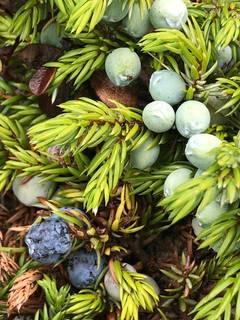
Spring (March-April). Inconspicuous. Dioecious. Small blue-black berry-like cones on female plants. Wind-pollinated.
Detailed Descriptions
Flower Description
not ornamentally significant — conifer; dioecious; small blue-black berry-like cones on female plantsFoliage Description
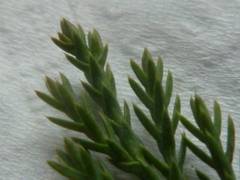
blue-green to gray-green, sharp-pointed juvenile needle foliage in whorls of three, 0.25 inch (6 mm); the plant retains juvenile foliage throughout life; tiered and overlapping horizontal branch layers create a sculptural mounding mat; evergreen year-roundGrowing Conditions
Sun Requirements
Requires 6-12 hours of direct sunlight daily
• Full Sun: 6+ hours of direct sunlight
• Partial Shade: 3-6 hours of direct sunlight
• Full Shade: Less than 3 hours of direct sunlight
Care & Maintenance
Care Guide
Site in full sun (6-12 hours) in well-drained soil with a pH of 5.5-7.5. Drought-tolerant once established. Phomopsis tip blight appears in humid areas; spider mites appear in hot dry conditions. Sharp needle tips are prickly — gloves are used when handling the plant. Toxic to pets. Deer-resistant. Hardy in zones 4-9.Pruning
Minimal pruning is needed. Light tip-pinching in spring maintains a compact shape if desired. The natural tiered mounding form is self-maintaining. Shearing is not used — selective hand-pruning preserves the layered branch structure.Container Growing
Suitable for container growing
Minimum container size: 10 gallons