Juniperus, Genus, conferta, Species, 'Blue Pacific', Cultivar,
- Genus & species
- Cultivar
blue Pacific shore juniper
Coastal Japan and Sakhalin Island (Russia; sandy beaches, coastal dunes, rocky shorelines)
Overview
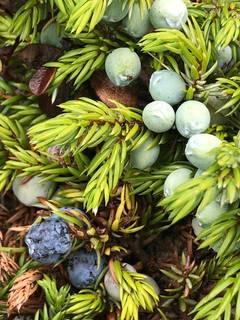
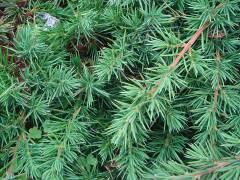
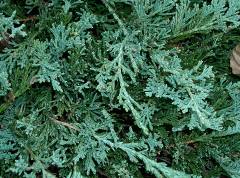
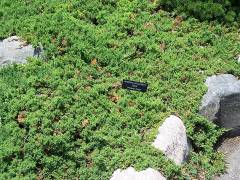
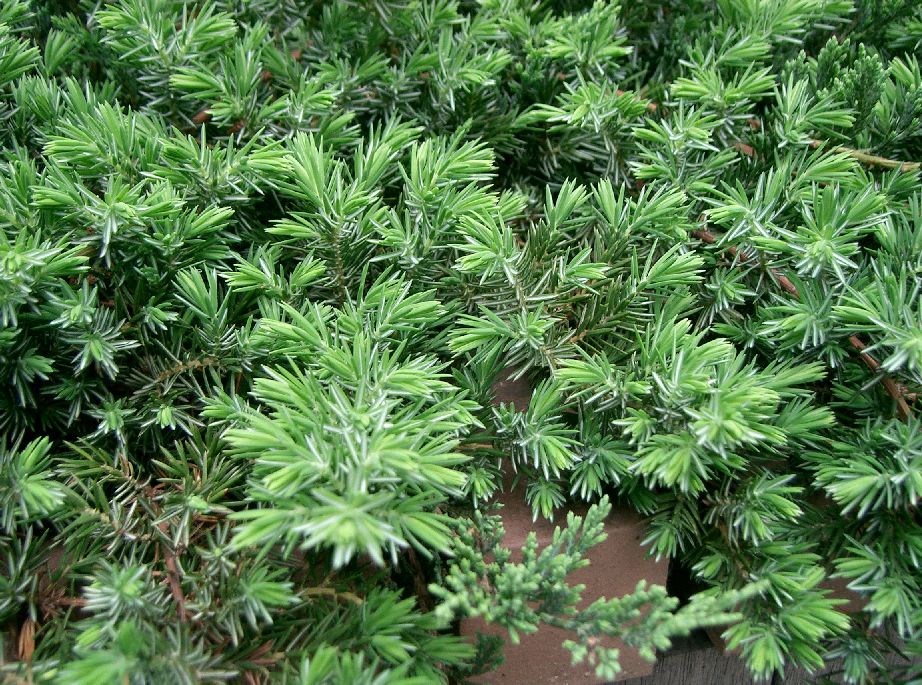
Juniperus conferta 'Blue Pacific' is a prostrate, evergreen, coniferous groundcover reaching 6–12 inches (15–30 cm) tall with a spread of 4–6 feet (1.2–1.8 m). This cultivar of the Japanese shore juniper has blue-green, needle-like foliage that forms a dense, trailing mat. The needles are 0.4–0.6 inches (10–15 mm) long, sharply pointed, arranged in whorls of three with a single white stomatal band on the upper surface. The foliage maintains its blue-green color year-round with minimal bronzing in winter—less bronzing than many juniper groundcovers. As a dioecious conifer, female plants produce small, round, blue-black berry-like cones 0.3–0.5 inches (8–12 mm) in diameter, ripening in the second year. Tolerant of salt spray, sandy soils, and coastal exposure. Growth rate is moderate, spreading 6–12 inches (15–30 cm) per year laterally. Hardy to zone 5.
Native Range
Juniperus conferta is native to coastal Japan and Sakhalin Island (Russia), growing on sandy beaches, coastal dunes, and rocky shorelines exposed to salt spray and wind.Suggested Uses
Planted as a groundcover on slopes, coastal banks, parking strips, and rock gardens at 3–4 foot (0.9–1.2 m) spacing. The salt tolerance and sandy-soil adaptation make this suited to coastal and seaside sites. The 6–12 inch (15–30 cm) height stays below most sightlines. The sharp needles make weeding within the planting uncomfortable. Not suitable for wet soils, heavy clay, deep shade, or sites with poor air circulation (promotes fungal issues).How to Identify
Appearance
Size & Dimensions
Height6" - 1'
Width/Spread4' - 6'
Bloom Information
Male strobili release pollen in April–May. Female plants produce small, round, blue-black berry-like cones 0.3–0.5 inches (8–12 mm) in diameter, ripening over 2 years. Cones are partially hidden within the dense foliage mat.
Detailed Descriptions
Foliage Description
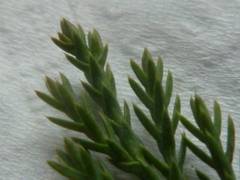
Blue-green needle-like foliage 0.4-0.6 inches; whorls of 3; white stomatal band; minimal winter bronzingGrowing Conditions
Sun Requirements
Requires 6-12 hours of direct sunlight daily
• Full Sun: 6+ hours of direct sunlight
• Partial Shade: 3-6 hours of direct sunlight
• Full Shade: Less than 3 hours of direct sunlight
Care & Maintenance
Care Guide
Plant in full sun in well-drained to sandy soil. Hardy to zone 5. Tolerates salt spray, sandy soils, and coastal wind—adapted to shoreline conditions. Requires well-drained soil—wet or waterlogged conditions cause root rot. Do not irrigate once established in coastal climates. Spider mites can occur in hot, dry inland sites.Pruning
Minimal pruning needed. Trim wayward branches in early spring to maintain a tidy mat. Do not shear—the natural trailing form is part of the character. Does not regenerate from old wood—avoid cutting back into bare stems.Pruning Schedule
Prune: March
early spring
Container Growing
Suitable for container growing
Minimum container size: 5 gallons