Juniperus, Genus, conferta, Species, 'Silver Mist', Cultivar,
- Genus & species
- Cultivar
silver mist shore juniper
Coastal Japan and Sakhalin Island (Russia; sandy beaches, coastal dunes)
Overview
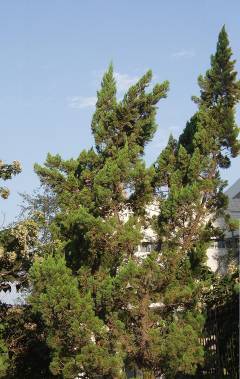
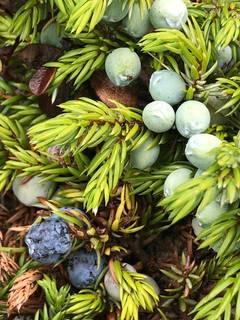
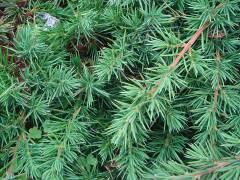
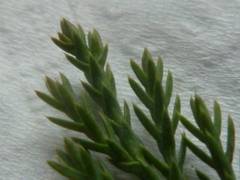
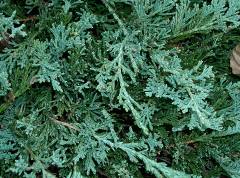
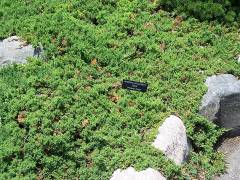
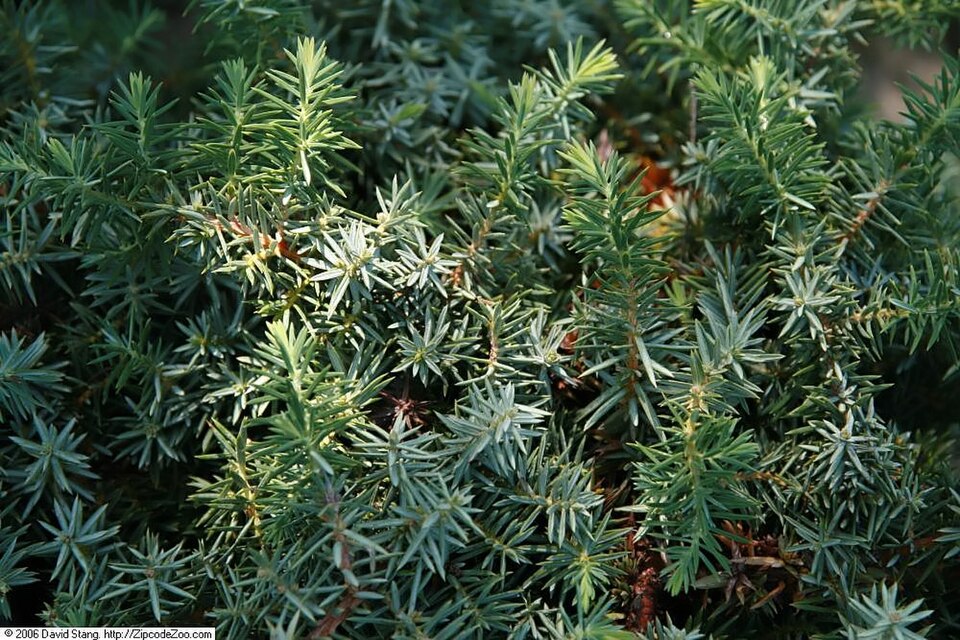
Juniperus conferta 'Silver Mist' is a prostrate, evergreen, coniferous groundcover reaching 6–10 inches (15–25 cm) tall with a spread of 3–5 feet (0.9–1.5 m). This cultivar is more compact and slower-growing than 'Blue Pacific,' with distinctly silver-blue foliage that gives the plant a frosted appearance. The needles are 0.4–0.5 inches (10–13 mm) long, sharply pointed, in whorls of three, with a broad white stomatal band on the upper surface that creates the silver cast. The foliage color is most vivid in full sun. Compared to 'Blue Pacific,' 'Silver Mist' is slower to establish, forms a tighter mat, and reaches a smaller ultimate spread. Female plants produce blue-black berry-like cones 0.3–0.5 inches (8–12 mm) in diameter over 2 years. Salt-spray tolerant. Growth rate is slow to moderate. Hardy to zone 6.
Native Range
Juniperus conferta is native to coastal Japan and Sakhalin Island (Russia), growing on sandy beaches and coastal dunes.Suggested Uses
Planted as a groundcover in rock gardens, coastal plantings, parking strips, and raised beds at 2.5–3.5 foot (0.75–1 m) spacing. The silver-blue color creates a lighter effect than 'Blue Pacific'—use where a cooler-toned groundcover is desired. The smaller ultimate size suits tighter spaces. Slower to fill in than 'Blue Pacific'—allow 3–5 years. The sharp needles make weeding within the planting uncomfortable. Not suitable for wet soils, heavy clay, deep shade, or positions where faster coverage is needed.How to Identify
Appearance
Size & Dimensions
Height6" - 10"
Width/Spread3' - 5'
Bloom Information
Male strobili release pollen in April–May. Female plants produce small, round, blue-black berry-like cones 0.3–0.5 inches (8–12 mm) in diameter, ripening over 2 years.
Detailed Descriptions
Foliage Description
Silver-blue needle-like foliage 0.4-0.5 inches; broad white stomatal band; frosted appearance; whorls of 3Growing Conditions
Sun Requirements
Requires 6-12 hours of direct sunlight daily
• Full Sun: 6+ hours of direct sunlight
• Partial Shade: 3-6 hours of direct sunlight
• Full Shade: Less than 3 hours of direct sunlight
Care & Maintenance
Care Guide
Plant in full sun in well-drained to sandy soil. Hardy to zone 6. The silver-blue color is most vivid in full sun—shade reduces the frosted appearance. Salt-spray tolerant. Requires well-drained soil—root rot occurs in wet conditions. Slower to establish than 'Blue Pacific'—allow 3–5 years for full coverage.Pruning
Minimal pruning needed. Trim wayward branches in early spring. Do not shear. Does not regenerate from old wood—avoid cutting into bare stems.Pruning Schedule
Prune: March
early spring
Container Growing
Suitable for container growing
Minimum container size: 5 gallons