Juniperus, Genus, communis, Species,
- Genus & species
common juniper
Circumpolar Northern Hemisphere — North America (Alaska to Newfoundland, south to New Mexico), Europe, and Asia
Overview
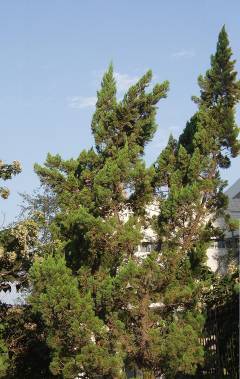
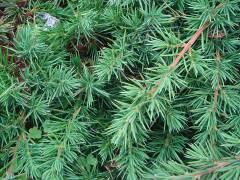
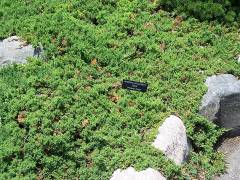
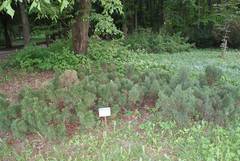
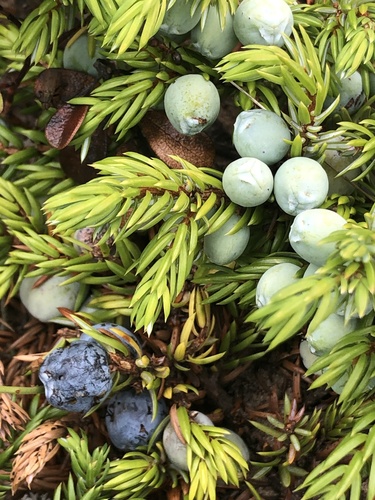
Juniperus communis is an extremely variable coniferous evergreen shrub growing 2-15 feet (0.6-4.6 m) tall and 3-12 feet (0.9-3.7 m) wide depending on form — from prostrate mats to columnar uprights. Dark green sharp-pointed needles, 0.3-0.5 inch (8-12 mm), are arranged in whorls of three and carry a single prominent white stomatal band on the upper surface (diagnostic). Among cultivated junipers, J. communis retains exclusively juvenile needle foliage throughout its life and produces no scale leaves at maturity — a trait not shared by other juniper species in cultivation. Blue-black berry-like cones, 0.25-0.5 inch (6-12 mm), develop on female plants and ripen over 2-3 years; these are the juniper berries used to flavor gin. The species has the broadest geographic range of any conifer, distributed circumpolar across the Northern Hemisphere. Tolerates a pH range of 5.5-8.5, broader than any other cultivated conifer. Cold-hardy to USDA zone 2 (-50°F / -46°C). Cedar-apple rust alternate host. Foliage is lightly aromatic when crushed. Dioecious. Non-toxic (berries edible in moderation). Deer-resistant.
Native Range
Circumpolar across the Northern Hemisphere — North America (Alaska to Newfoundland, south to New Mexico), Europe, and Asia. Native range is broader than any other conifer. Found on rocky outcrops, heath, alpine slopes, and open woodland.Suggested Uses
Grown as a native conifer in rock gardens (prostrate forms), as columnar accents ('Hibernica'), and in containers of at least 5 gallons (19 L), spaced 3-12 feet (0.9-3.7 m) apart depending on form. The berry-like cones are harvested for gin flavoring. Cedar-apple rust host. Non-toxic. Hardy in zones 2-7.How to Identify
Appearance
Size & Dimensions
Height2' - 15'
Width/Spread3' - 12'
Bloom Information
Spring (April-May). Inconspicuous. Dioecious. Male plants produce small yellow pollen strobili; female plants produce blue-black berry-like cones, 0.25-0.5 inch (6-12 mm), ripening over 2-3 years. Wind-pollinated.
Detailed Descriptions
Foliage Description
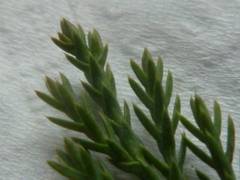
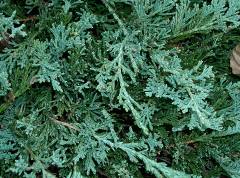
dark green with a prominent white stomatal band on the upper surface (the single white stripe is diagnostic); needle-like (not scale-like), sharp-pointed, 0.3-0.5 inch (8-12 mm), arranged in whorls of three; the species retains exclusively juvenile needle foliage throughout life — no scale leaves at maturity; evergreen year-roundGrowing Conditions
Sun Requirements
Requires 6-12 hours of direct sunlight daily
• Full Sun: 6+ hours of direct sunlight
• Partial Shade: 3-6 hours of direct sunlight
• Full Shade: Less than 3 hours of direct sunlight
Care & Maintenance
Care Guide
Site in full sun (6-12 hours) in well-drained soil; tolerated pH range is 5.5-8.5, broader than any other cultivated conifer. Very low water needs. Cold-hardy to zone 2 (-50°F / -46°C). Species habit varies widely from prostrate to columnar, so cultivar selection determines form. Cedar-apple rust alternate host; sites near apples or pears are not suitable. Lightly fragrant foliage. Non-toxic — berries edible in moderation. Deer-resistant. Hardy in zones 2-7.Pruning
Prune in early spring (March-April) if shaping is required. Selective hand-pruning preserves the natural form; shearing damages the needle-leaved foliage and is not recommended. Prostrate forms require no pruning. Columnar cultivars such as 'Hibernica' may benefit from light shaping to maintain a narrow profile.Pruning Schedule
Prune: March–April
early spring
Container Growing
Suitable for container growing
Minimum container size: 5 gallons