Juniperus, Genus, californica, Species,
- Genus & species
California juniper
Overview
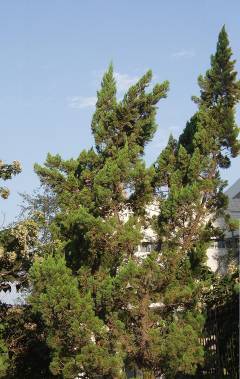
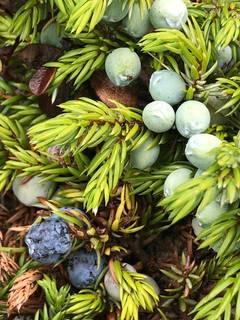
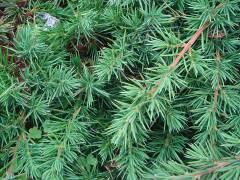
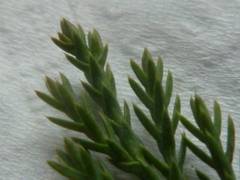
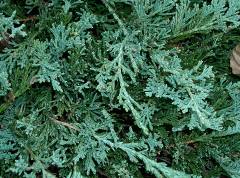
Juniperus californica is an evergreen conifer in the Cupressaceae family, growing 10–25 feet (3–7.5 m) tall and 10–20 feet (3–6 m) wide, typically with a broad, irregular, multi-stemmed form. Bark is grey to reddish-brown, fibrous, exfoliating in shredding strips. Foliage is scale-like (adult type), 1–2 mm long, arranged in opposite pairs, yellow-green to grey-green, with a resinous, cedar-like scent when crushed. Juvenile needle-like foliage may appear on vigorous shoots. Berry-like seed cones are 0.3–0.5 inch (8–12 mm) in diameter, round, dry and mealy (not fleshy like many juniper berries), reddish-brown with a glaucous bloom, ripening in the second year. The dry, fibrous cones distinguish J. californica from the fleshy-berried J. occidentalis and J. osteosperma. Native to arid regions of California and Baja California, where it occurs in juniper woodland, chaparral, and desert scrub from 2,500–5,000 feet (750–1,500 m). Extremely drought-tolerant — survives on 5–10 inches (13–25 cm) annual precipitation. Growth rate is very slow — 1–3 inches (2.5–8 cm) per year in height. Long-lived — specimens exceeding 1,000 years have been documented.
Native Range
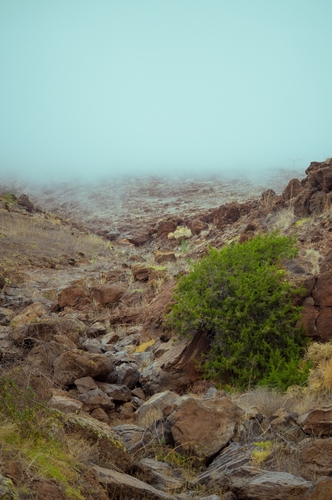
Juniperus californica is native to California and northern Baja California, from the inner Coast Ranges and Sierra Nevada foothills south through the Transverse and Peninsular Ranges into Baja California. It occurs in juniper woodland, chaparral margins, and desert scrub on dry, rocky slopes at 2,500–5,000 feet (750–1,500 m).Suggested Uses
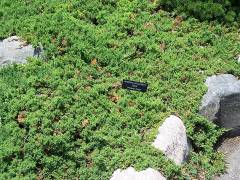
Planted in xeriscape and native California gardens on dry, rocky sites. Used in desert and chaparral restoration plantings. The extreme drought tolerance (5–10 inches / 13–25 cm annual rainfall) makes it suited to the driest garden sites where no irrigation is available. Wildlife value — cones consumed by birds and small mammals. In the Pacific Northwest, a specialist plant for the driest, warmest, most alkaline microsites.How to Identify
Appearance
Size & Dimensions
Height10' - 25'
Width/Spread10' - 20'
Bloom Information
Detailed Descriptions
Foliage Description
Yellow-green to grey-green, scale-likeGrowing Conditions
Sun Requirements
Requires 6-12 hours of direct sunlight daily
• Full Sun: 6+ hours of direct sunlight
• Partial Shade: 3-6 hours of direct sunlight
• Full Shade: Less than 3 hours of direct sunlight