Juniperus, Genus, osteosperma, Species,
- Genus & species
Utah juniper
Interior western United States (Great Basin and Colorado Plateau)
Overview
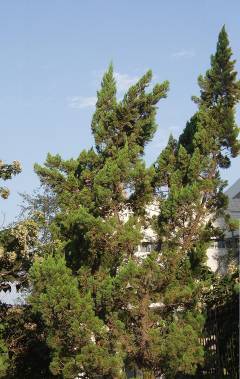
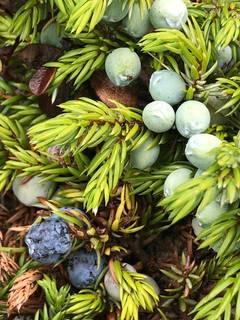
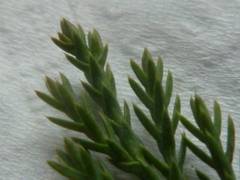
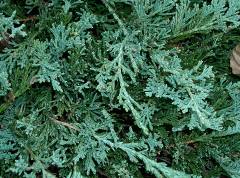
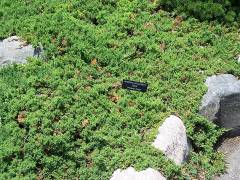
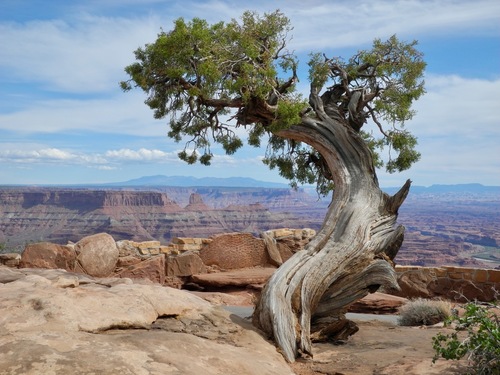
Juniperus osteosperma is a slow-growing evergreen conifer of the Great Basin and Colorado Plateau, reaching 10-20 feet (3-6 m) tall and 8-15 feet (2.4-4.6 m) wide, often as a low-branched, single-trunked tree or a multi-stemmed shrub. The foliage is made of tiny, scale-like, gray-green to yellow-green leaves pressed against rounded twigs, with a resinous scent when crushed. Bark is gray-brown and shreds into thin strips. Unlike many junipers, this species is usually monoecious, bearing pollen cones and seed cones on the same plant. The seed cones are berry-like, 0.25-0.4 inch (6-10 mm) across, bluish-brown under a waxy bloom, and ripen over about two years, holding one or two seeds that birds and mammals disperse. The species dominates pinyon-juniper woodlands on dry slopes, mesas, and plateaus, enduring intense heat, cold, drought, and shallow, rocky, alkaline soils. Individual trees are long-lived, some reaching several centuries. Limitations include very slow growth, a deep and wide root system that complicates transplanting, and abundant wind-borne pollen that can affect allergy sufferers. The dense, rounded form shelters birds and small mammals and bears fruit eaten through the year.
Native Range
Juniperus osteosperma is native to the interior western United States, centered on the Great Basin and Colorado Plateau across Utah, Nevada, Arizona, and adjacent states. It grows on dry foothills, mesas, and rocky plateaus, often forming open pinyon-juniper woodland.Suggested Uses
Grown in dryland, xeriscape, and native plantings across the interior West, and used for windbreaks and erosion control on dry slopes. Used as a screen or specimen where its slow growth and drought tolerance suit low-water landscapes. The cones and dense form support desert birds and wildlife.How to Identify
Appearance
Size & Dimensions
Height10' - 20'
Width/Spread8' - 15'
Bloom Information
Pollen cones release wind-borne pollen in late winter and spring, generally March into April. Tiny seed cones form on the same plant and develop into berry-like structures over roughly two years. The cones are not flowers and lack petals. Ripe blue-brown cones can be present on the plant year-round because of the long, overlapping maturation.
Detailed Descriptions
Flower Description
Bluish-brown berry-like conesFoliage Description
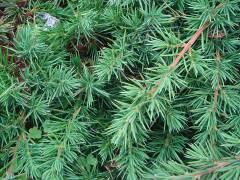
Gray-green to yellow-green scale foliageGrowing Conditions
Sun Requirements
Requires 6-12 hours of direct sunlight daily
• Full Sun: 6+ hours of direct sunlight
• Partial Shade: 3-6 hours of direct sunlight
• Full Shade: Less than 3 hours of direct sunlight
Care & Maintenance
Care Guide
Grows in full sun and dry, sharply drained sandy, rocky, or alkaline soil at a pH of 6.5-8.5. The species is drought tolerant once established and needs no irrigation in arid climates. Hardy in USDA zones 4-9, it withstands extreme heat, hard freezes, and wind. Heavy, wet, or poorly drained soil causes root rot, so it suits dryland sites rather than irrigated gardens. Growth is very slow, often a few inches a year, and plants establish poorly after root disturbance. No fertilizer is needed in native soils.Pruning
Prune lightly in late winter to remove dead or damaged branches; junipers do not regrow from old bare wood, so cuts are kept within green foliage. The natural form needs little shaping. Removing lower limbs can reveal the trunk on tree-form plants.Pruning Schedule
Prune: February–March
winter