Juniperus, Genus, spp., Multiple species,
- Genus
- Multiple species
junipers
Northern Hemisphere, from the Arctic to tropical mountains in Africa, the Caribbean, and Central America
Overview
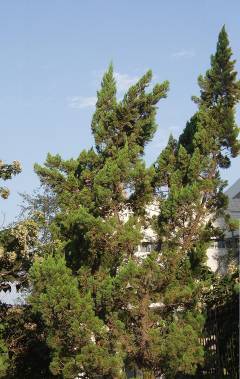
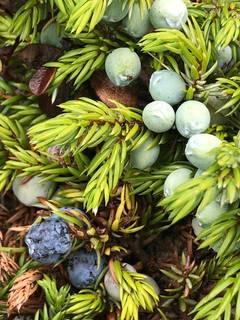
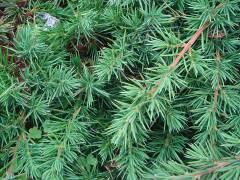
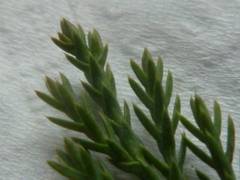
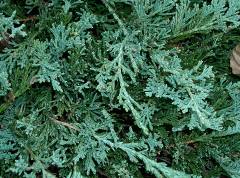
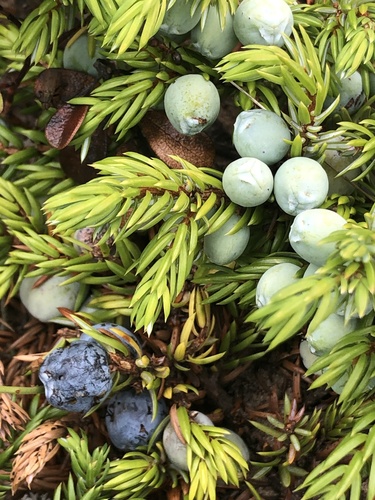
Juniperus is a genus of about 60 to 70 species of evergreen conifers in the Cupressaceae family, ranging from prostrate groundcovers a few inches high to columnar trees over 100 feet (30 m) and spread widely across the Northern Hemisphere. Foliage takes two forms, often on the same plant: sharp, awl-shaped juvenile needles and tight, overlapping adult scales, usually green to blue-green and aromatic when crushed. Most species are dioecious, with pollen and seed cones on separate plants, and wind carries the pollen in spring. The seed cones are fleshy and berry-like, ripening blue-black with a waxy bloom over one to three years, and those of J. communis flavor gin and season food. Junipers tolerate drought, heat, wind, poor soil, and salt, which suits them to tough sites, though they fail in wet, poorly drained ground. Several species, including savin (J. sabina), contain oils that are poisonous to people and animals. Junipers are an alternate host for cedar-apple rust, a fungus that disfigures nearby apples and pears, and eastern red cedar (J. virginiana) spreads into open grassland where fire is suppressed.
Native Range
Juniperus occurs across the Northern Hemisphere, from the Arctic south to tropical mountains in Africa, the Caribbean, and Central America. North American natives include J. virginiana, J. communis, J. scopulorum, and J. osteosperma.Suggested Uses
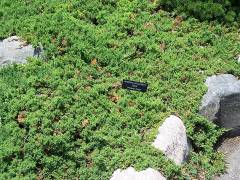
Used as groundcovers, foundation and screening shrubs, windbreaks, hedges, and specimen trees, with low spreading forms grown on banks and slopes for erosion control. The aromatic wood is used for fence posts, cedar chests, and pencils, and the cones flavor gin and game dishes. Berry-like cones feed birds such as cedar waxwings.How to Identify
Appearance
Size & Dimensions
Height6" - 130'
Width/Spread2' - 25'
Colors
Bloom Information
Junipers do not bloom; instead, small pollen cones release yellow pollen in spring, generally March to May, on male plants. Female plants carry tiny green cones that, once pollinated by wind, swell into fleshy, berry-like seed cones. These cones ripen blue-black over one to three years depending on species. Pollen release can be heavy enough to trigger allergies.
Detailed Descriptions
Flower Description
yellow (pollen cones)Foliage Description
green to blue-greenGrowing Conditions
Sun Requirements
Requires 6-12 hours of direct sunlight daily
• Full Sun: 6+ hours of direct sunlight
• Partial Shade: 3-6 hours of direct sunlight
• Full Shade: Less than 3 hours of direct sunlight
Care & Maintenance
Care Guide
Plants in this genus grow in full sun and sharply drained soil across a broad pH range of 5.0-8.0, including sandy, rocky, chalky, and poor ground. Established plants tolerate drought, heat, wind, and coastal salt and rarely need watering, but they rot in wet, heavy, or shaded sites. Most need no feeding and little care once placed in enough light; plants grown in shade thin out and brown inside. Cedar-apple rust, phomopsis and kabatina tip blights, bagworms, and spider mites in hot, dry conditions are the main problems. Foliage may irritate skin on contact in sensitive people. Hardiness spans USDA zones 2-9 depending on species.Pruning
Prune in early spring before new growth to shape plants and remove dead or blighted shoots, cutting only into green, foliage-bearing wood. Junipers do not resprout from bare old wood, so cutting back into leafless branches leaves permanent holes. Light, regular trimming keeps hedges and groundcovers dense.Container Growing
Suitable for container growing
Minimum container size: 5 gallons