Juncus, Genus, squarrosus, Species,
- Genus & species
heath rush
Overview
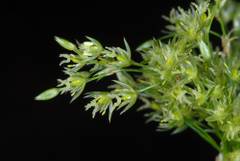
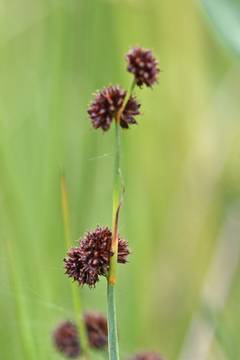
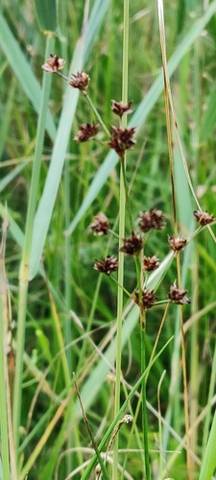
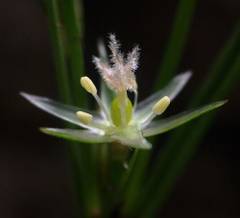
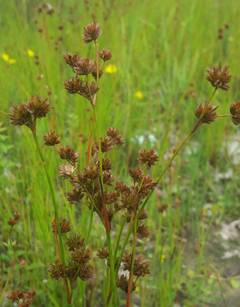
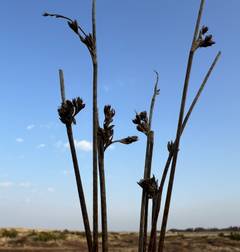
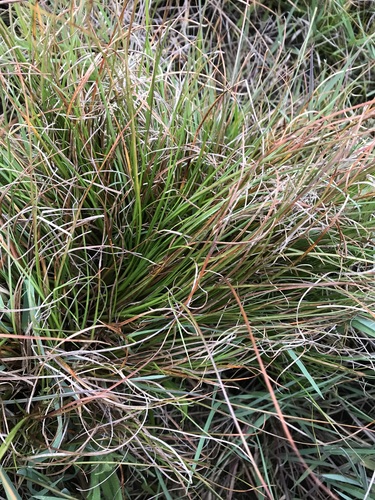
Juncus squarrosus is a tufted, evergreen perennial rush forming dense, stiff rosettes 2-6 inches (5-15 cm) high, from which wiry flowering stems rise 6-20 inches (15-50 cm). The rigid, channelled basal leaves are dark green, 2-6 inches (5-15 cm) long, and curve stiffly outward and back, giving the plant a star-like, squarrose rosette that holds its shape underfoot. In summer the leafless flowering stems carry open, branched heads of small brown flowers, each about 0.15 inch (3-4 mm), with dark papery bracts, ripening to brown three-valved capsules. It grows on wet, acidic, peaty ground in moorland, bog, heath, and poorly drained acid pasture, often where grazing and trampling are heavy. The plant requires lime-free, moisture-retentive soil and will not persist on dry or alkaline ground. Its tough, fibrous rosettes resist grazing and treading, so it can dominate degraded upland pasture. Flowers and seed heads are brown and modest rather than showy. It spreads by short rhizomes and abundant seed, forming extensive tussocky swards on suitable acid wetland.
Native Range
Juncus squarrosus is native across Europe and into western Asia and North Africa, mainly in cool, oceanic uplands. It grows on wet, acidic peat in moorland, blanket bog, heath, and acid grassland.Suggested Uses
Grown in bog gardens, wet wildlife plantings, and acidic moorland-style schemes, spaced 8-12 inches (20-30 cm) apart. Suits naturalistic wet ground and erosion-prone acid banks where the tough rosettes bind the surface. The stiff evergreen tufts add winter structure to damp plantings.How to Identify
Appearance
Size & Dimensions
Height6" - 1'8"
Width/Spread6" - 1'
Bloom Information
Flowering occurs in summer, chiefly June and July, with branched brown flower heads held on stiff stems above the rosette. The heads ripen to brown seed capsules that persist into autumn and winter. Bloom is inconspicuous, the colour brown rather than bright.
Detailed Descriptions
Foliage Description
Dark greenGrowing Conditions
Sun Requirements
Requires 4-10 hours of direct sunlight daily
• Full Sun: 6+ hours of direct sunlight
• Partial Shade: 3-6 hours of direct sunlight
• Full Shade: Less than 3 hours of direct sunlight
Care & Maintenance
Care Guide
Grow in wet, acidic, peaty or sandy soil in full sun to part shade, in bog gardens, moorland plantings, and pond margins. The plant requires lime-free, consistently moist to wet ground and declines on dry or alkaline soils. Water in dry spells, since the rosette browns and thins where the soil dries out. No feeding is needed, as it is adapted to nutrient-poor acid ground. Remove old flowering stems after seed drop to tidy the clump. Hardy in USDA zones 4 through 8, the evergreen rosette persists through winter.Pruning
Cut spent flowering stems to the base after the seed heads fade to keep the tuft neat. Comb or rake out dead leaves from the rosette in spring. No other pruning is needed, as the rosette is evergreen.Pruning Schedule
Prune: August
summer
Container Growing
Suitable for container growing
Minimum container size: 2 gallons