Juncus, Genus, pallidus, Species,
- Genus & species
great soft-rush
Overview
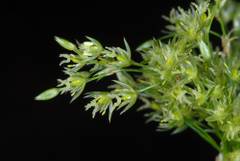
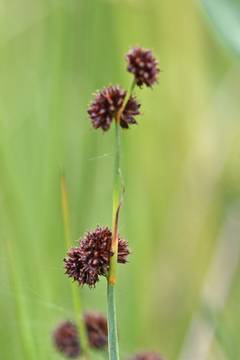
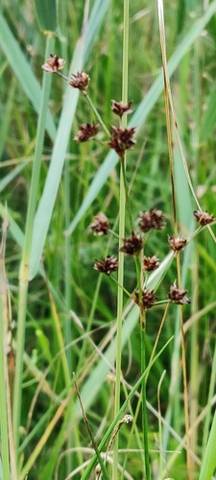
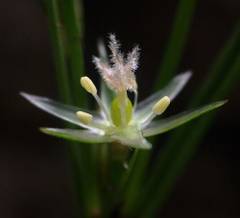
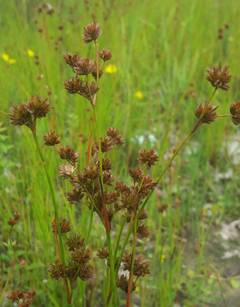
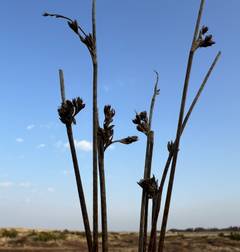
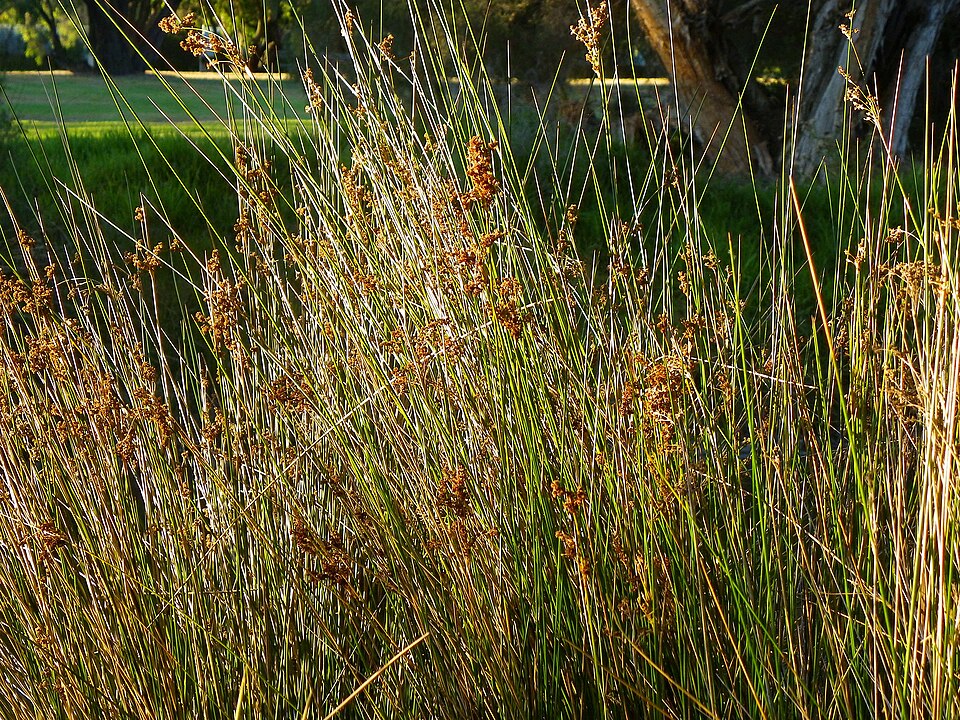
Juncus pallidus is an evergreen, clump-forming rush growing 3-8 feet (0.9-2.4 m) tall, with stiff, erect, cylindrical stems rising in a dense tuft from a short rhizome. The stems are smooth, pale green to grey-green, 0.1-0.3 inch (3-7 mm) wide, and filled with continuous white pith. Leaves are reduced to brown sheaths at the stem bases. Flowers are small and brown, grouped in a branched, many-flowered cluster that appears to emerge from the side of the stem near the top, with a stem-like bract continuing above it. Flowering occurs mainly in spring and summer, followed by small brown capsules holding numerous tiny seeds. Clumps widen slowly by short rhizomes and can reach 24-40 inches (60-100 cm) across. The species grows in wet ground and tolerates seasonal flooding, brackish water, and a wide pH range. Stems stay green through the year in mild climates.
Native Range
Native to Australia and New Zealand, occurring across the southern and eastern states of Australia. Grows in swamps, wet meadows, drainage lines, and the margins of lakes and streams, in fresh to slightly brackish water on a range of soils.Suggested Uses
Grown in bog gardens, pond and dam edges, rain gardens, and constructed wetlands, spaced 24-32 inches (60-80 cm) apart. Used in erosion control and water filtration on wet sites and stream banks. The dense stems give cover for frogs and waterbirds. The large size suits broad plantings rather than small ponds.How to Identify
Appearance
Size & Dimensions
Height3' - 8'
Width/Spread2' - 3'4"
Colors
Bloom Information
Detailed Descriptions
Foliage Description
pale green to grey-greenGrowing Conditions
Sun Requirements
Requires 4-10 hours of direct sunlight daily
• Full Sun: 6+ hours of direct sunlight
• Partial Shade: 3-6 hours of direct sunlight
• Full Shade: Less than 3 hours of direct sunlight
Care & Maintenance
Care Guide
Grows in full sun to part shade in wet, boggy, or seasonally flooded ground and tolerates standing water to a few inches deep. It also persists in ordinary garden soil that is kept moist. Established clumps spread slowly and need little care beyond removal of old stems. The species tolerates brackish conditions and a wide pH range, from acidic peat to limy soils. Clumps can be divided in spring to propagate or to control size.Pruning
Cut old and brown stems to the base in late winter to make room for new growth. Clumps can be divided every few years to limit spread or for propagation. No routine pruning is otherwise needed.Container Growing
Suitable for container growing
Minimum container size: 5 gallons