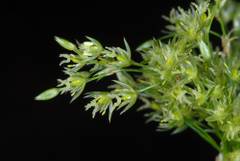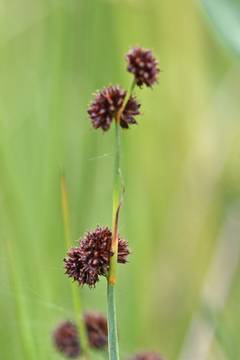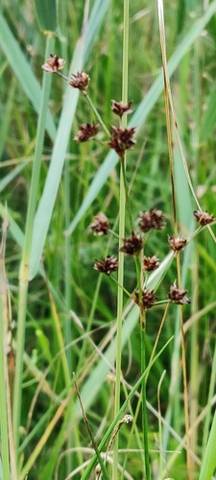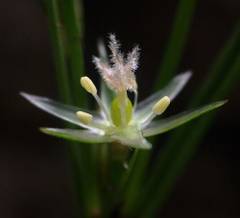
Juncus, Genus, spp., Multiple species,
- Genus
- Multiple species
rushes
Temperate and cold regions worldwide
Overview
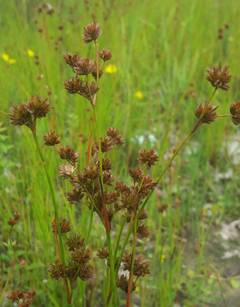
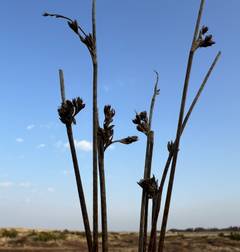
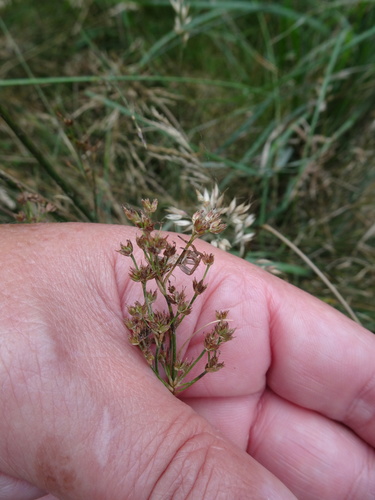
Juncus is a genus of about 300 species of grass-like, mostly perennial plants in the rush family, Juncaceae, found in wet and damp habitats across temperate and cold regions worldwide. Plants form tufts or spreading colonies 1 to 5 feet (0.3 to 1.5 m) tall, with slender, cylindrical, often hollow or pith-filled stems that carry out most of the photosynthesis; the true leaves are reduced to sheaths or thin cylinders. Small brown to greenish flowers cluster along or near the stem tips in summer and are wind-pollinated, ripening into capsules of many tiny seeds. Many species, such as the soft rush J. effusus, stay green through mild winters and die back in cold ones. Juncus grows in USDA zones 4 to 9 in wet soil, shallow water, and pond margins, and tolerates standing water. The plants spread by rhizomes and can colonize beyond their planting, and in dry soil the foliage browns and thins.
Native Range
Found across temperate and cold regions worldwide, in marshes, wet meadows, bogs, ditches, and along ponds and streams. Many species are native to North America, where rushes are common in wetlands and restoration plantings.Suggested Uses
Planted at pond and stream edges, in rain gardens, bog gardens, and water-garden containers, and used in wetland restoration. Corkscrew forms such as J. effusus Spiralis are grown for their curling stems in pots and mixed plantings. The plants give cover and seed for waterfowl and other wildlife.How to Identify
Appearance
Size & Dimensions
Height1' - 5'
Width/Spread1' - 3'
Bloom Information
Flowers in summer, with small brown to greenish clusters carried along the upper stems. The flowers are wind-pollinated and not showy, and they ripen into dry capsules holding many tiny seeds. Seed heads persist into fall and winter.
Detailed Descriptions
Flower Description
brown to greenishFoliage Description
greenGrowing Conditions
Sun Requirements
Requires 6-8 hours of direct sunlight daily
• Full Sun: 6+ hours of direct sunlight
• Partial Shade: 3-6 hours of direct sunlight
• Full Shade: Less than 3 hours of direct sunlight
Care & Maintenance
Care Guide
Grows in full sun to partial shade in wet, boggy soil and shallow standing water, and tolerates seasonal flooding and a wide pH range. The plants establish readily at pond and stream margins and decline in dry, fast-draining soil. Hardiness spans USDA zones 4 to 9, with foliage staying green through mild winters and dying back in cold ones. Spreading rhizomes can extend clumps into surrounding ground, so containment matters near small water features. Cutting back old foliage in late winter renews the clump. Few pests or diseases trouble the genus.Pruning
Old and winter-damaged foliage is cut back to near the base in late winter before new growth begins. Spent stems are removed as needed through the season. Dividing congested clumps in spring controls size and renews growth.Pruning Schedule
Prune: February–March
winter
Container Growing
Suitable for container growing
Minimum container size: 2 gallons