Juncus, Genus, ensifolius, Species,
- Genus & species
dagger-leaf rush
Alaska south through BC, Washington, Oregon to California; east to Rocky Mountains; wet meadows, stream banks, pond margins, and wetland edges
Overview
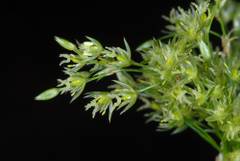
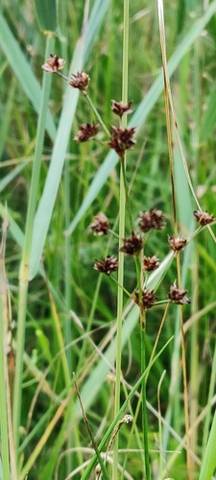
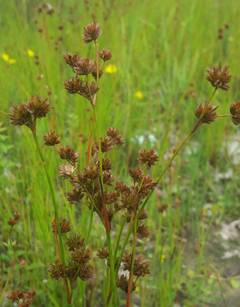
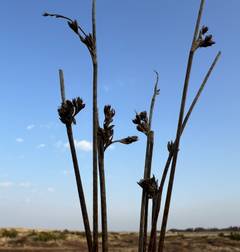
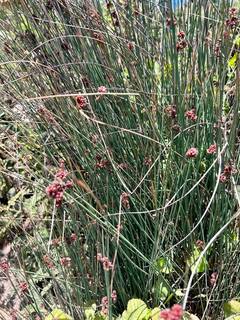
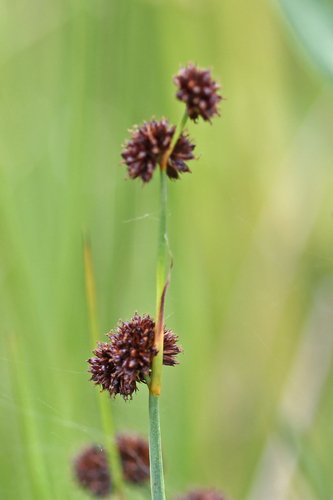
Juncus ensifolius is a deciduous clumping rush in the Juncaceae family native to wet meadows, stream banks, and pond margins from Alaska south to California and east to the Rocky Mountains. Plants grow 8-24 inches (20-60 cm) tall and 12-18 inches (30-45 cm) wide, with flat iris-like green leaves 0.1-0.2 inch (3-5 mm) wide arranged in two ranks at the base, separating it from the cylindrical-stemmed rushes. Dense round to ovoid heads of small dark brown to nearly black flowers 0.25-0.4 inch (6-10 mm) across appear at the stem tips from June to August, often in clusters of 2-10 heads per stem. The flowers mature into small dark brown seed capsules that persist into fall. J. ensifolius requires consistently moist to wet soil and tolerates seasonal flooding, but goes dormant and dies back to the ground each winter. The clumping habit spreads slowly by short rhizomes, forming patches 18-30 inches (45-75 cm) across over several seasons. Suited to rain gardens, pond margins, wet meadow plantings, and natural stormwater swales within its native range.
Native Range
Native to wet meadows, stream banks, pond margins, and wetland edges from Alaska south through British Columbia, Washington, and Oregon to California, and east to the Rocky Mountains.Suggested Uses
Used in pond margins, rain gardens, wet meadow plantings, and stormwater swales within Pacific Northwest and western North American native ranges. Spaced 12-18 inches (30-45 cm) apart, plants form clumps 18-30 inches (45-75 cm) across over 3-4 seasons. The dark flower heads contrast with the green foliage of broader-leaved wetland perennials in mixed plantings.How to Identify
Appearance
Size & Dimensions
Height8" - 2'
Width/Spread1' - 1'6"
Bloom Information
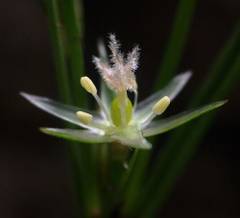
Blooms June to August with dense round to ovoid heads of small dark brown to nearly black flowers 0.25-0.4 inch (6-10 mm) across, held at the stem tips in clusters of 2-10 heads. Each head persists 4-6 weeks and matures into small dark brown three-valved seed capsules that hold their shape into fall. Wind-pollinated; the dark heads contrast with the green foliage.
Detailed Descriptions
Flower Description
Dark brown to nearly blackFoliage Description
GreenGrowing Conditions
Sun Requirements
Requires 4-10 hours of direct sunlight daily
• Full Sun: 6+ hours of direct sunlight
• Partial Shade: 3-6 hours of direct sunlight
• Full Shade: Less than 3 hours of direct sunlight
Care & Maintenance
Care Guide
Site J. ensifolius in full sun to part shade with consistently moist to wet soil; suitable for pond margins, rain gardens, wet meadows, and bog garden edges. Tolerates seasonal flooding to 2 inches (5 cm) of standing water and acidic to neutral soils with a pH range of 5.0 to 7.5. Plant divisions or container plants in spring, spacing 12-18 inches (30-45 cm) apart for a continuous patch within 2-3 seasons. Water deeply during establishment; the plant will not tolerate drying out for extended periods. Self-seeds modestly in wet ground but is not aggressively weedy. Clumps benefit from division every 4-5 years in early spring to refresh the center of mature plants.Pruning
Cut clumps back to 2-4 inches (5-10 cm) above the crown in late winter or early spring before new growth begins. Foliage dies back naturally in fall and turns tan; senescing leaves can be left in place over winter or removed for visual cleanup.Pruning Schedule
Prune: February–March
winterearly spring
Container Growing
Suitable for container growing
Minimum container size: 3 gallons