Juncus, Genus, acutiflorus, Species,
- Genus & species
sharp-flowered rush
Overview
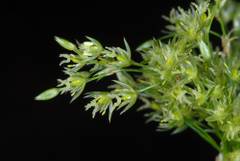
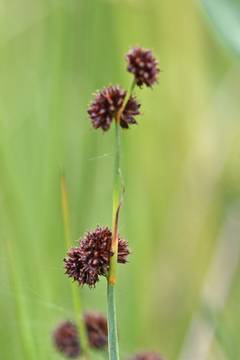
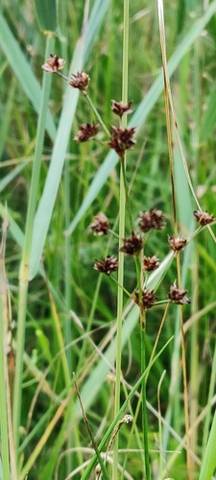
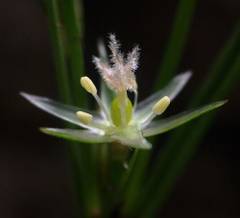
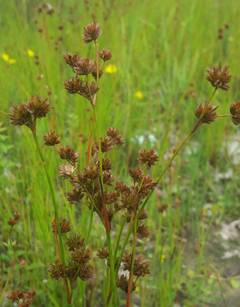
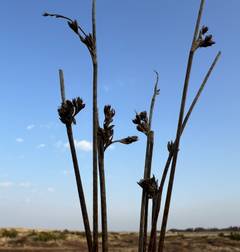
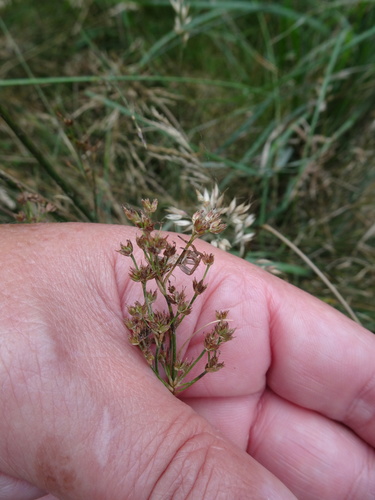
Juncus acutiflorus is a rhizomatous perennial rush forming open patches, with erect, round green stems 1.5-4 feet (40-120 cm) tall. The leaves are narrow and hollow with cross-partitions that can be felt as joints when the leaf is drawn between the fingers. The flower head is a loose, spreading panicle of many small flowers, each with six narrow, sharply pointed chestnut-brown tepals, opening from June to August. The fruit is a tapering brown capsule longer than the tepals. Plants spread steadily by creeping rhizomes to form loose colonies in wet ground. Top growth is semi-evergreen, persisting in mild winters and dying back in hard ones. It needs wet, mostly acidic to neutral soils and does not grow on dry or strongly limy ground.
Native Range
Native across Europe and into North Africa and western Asia. Grows in wet meadows, rush pastures, marshes, bog margins, ditch sides, and wet heath on acidic to neutral, seasonally waterlogged soils, mainly in the lowlands and hills.Suggested Uses
Used in wetland creation, pond and ditch margins, and wet meadow seed mixes on acidic to neutral ground. It binds wet soil and creates cover in damp wildlife areas. Its spreading rhizomes and need for wet ground limit its use in borders and dry plantings.How to Identify
Appearance
Size & Dimensions
Height1'6" - 4'
Width/Spread1' - 3'
Bloom Information
Flowers from June to August, with the chestnut-brown heads ripening to darker capsules by late summer. Flowering is later at higher elevations and in the north. Each colony flowers over several weeks. Wind moves pollen between the small, scentless flowers.
Detailed Descriptions
Foliage Description
greenGrowing Conditions
Sun Requirements
Requires 5-10 hours of direct sunlight daily
• Full Sun: 6+ hours of direct sunlight
• Partial Shade: 3-6 hours of direct sunlight
• Full Shade: Less than 3 hours of direct sunlight