Hosta, Genus, plantaginea, Species,
- Genus & species
Fragrant plantain lily
Overview
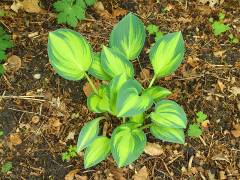
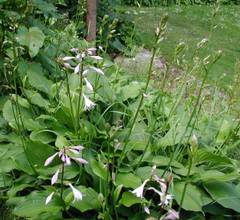
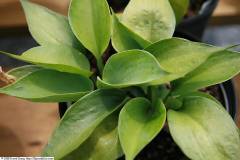
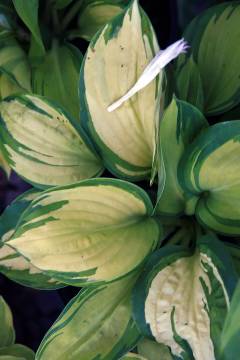
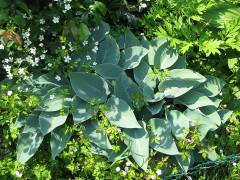
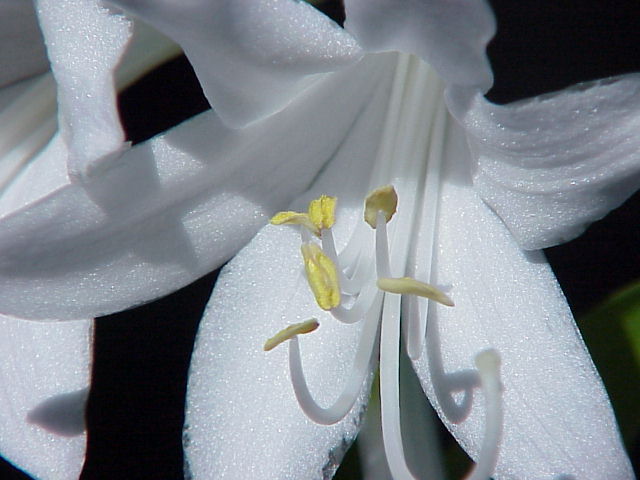
Hosta plantaginea is a herbaceous perennial forming a foliage mound 18-24 inches (45-60 cm) tall and 30-40 inches (75-100 cm) wide, with flower scapes to 30 inches (75 cm). Leaves are broadly ovate to heart-shaped, 6-10 inches (15-25 cm) long and 4-7 inches (10-18 cm) wide, glossy yellow-green with 7-9 pairs of parallel veins, held on channelled petioles 6-10 inches (15-25 cm) long. Flowers are white and trumpet-shaped, 4-5 inches (10-13 cm) long with a tube 2.5-3 inches (6-8 cm) long, borne 6-12 per scape, and open in the late afternoon and evening. Scent is released after dusk and carries overnight. Flowering runs from August into September. Clumps expand slowly, taking 4-5 years to reach mature width, and shoots emerge 2-3 weeks later in spring than those of blue-leaved species. Leaf margins scorch where afternoon sun exceeds 3 hours in zones 7-9 or where soil dries out for more than 3-5 days. Slugs and snails cut round holes 0.2-0.6 inch (5-15 mm) across in the thin leaf blades, and flower buds may drop in seasons where August nights stay below 60F (16C).
Native Range
Native to eastern and central China, recorded from Jiangsu, Zhejiang, Anhui, Hubei, Hunan, Guangdong, and Sichuan. Grows on shaded rock faces, stream banks, and grassy slopes from 1,600 to 7,200 feet (500-2,200 m). Introduced to European gardens in 1784 and since used as the scented parent of many garden hybrids.Suggested Uses
Grown in shaded borders, along north-facing walls, and beside paths and seating at 30-36 inch (75-90 cm) spacing, within range of the evening scent. Grows in containers of at least 7 gallons (26 L) with daily watering in summer. Late spring emergence leaves bare soil until mid-May in zones 4-6, and the thin leaf blades show slug damage more readily than the thick blades of blue-leaved Hosta.How to Identify
Appearance
Size & Dimensions
Height1'6" - 2'
Width/Spread2'6" - 3'4"
Bloom Information
Flowers open August to early September in zones 4-8, and from late July in zones 8-9. Buds open in the late afternoon and evening, each flower lasting into the following morning; a scape flowers over 10-14 days and a clump over 3-4 weeks. Scent is heaviest between dusk and midnight and fades by mid-morning. August nights below 60F (16C) reduce the number of buds that open and can cause partial bud drop.
Detailed Descriptions
Foliage Description
glossy yellow-greenGrowing Conditions
Sun Requirements
Tolerates up to 4 hours of direct sunlight daily
• Full Sun: 6+ hours of direct sunlight
• Partial Shade: 3-6 hours of direct sunlight
• Full Shade: Less than 3 hours of direct sunlight
Care & Maintenance
Care Guide
Water to hold soil evenly moist through the growing season, about 1-1.5 inches (2.5-4 cm) per week in the absence of rain; leaf margins brown within 3-5 days of the soil drying. Plants carry 2-4 hours of morning sun and need shade from midday onward in zones 7-9, while in zones 4-6 up to 4 hours of direct sun causes no scorch. A 2 inch (5 cm) mulch of leaf mould applied in spring holds moisture and adds organic matter. Slugs and snails feed on emerging shoots and expanded leaves from April onward. Crowns rot where winter soil stays saturated, and clumps in dry shade under shallow-rooted trees reach less than half their normal width. Division is needed only every 8-10 years, in early spring as shoots emerge.Pruning
Flower scapes are cut at the base once the last flower fades, at the point where the scape browns and remains standing. Foliage collapses after the first hard frost and is cleared then or in late winter; foliage left through winter shelters overwintering slug eggs. Scorched or damaged leaves can be cut at the petiole base at any point in the season without effect on the crown.Pruning Schedule
Prune: September & November
fall
Container Growing
Suitable for container growing
Minimum container size: 7 gallons