Juniperus, Genus, communis, Species, 'Gold Cone', Cultivar,
- Genus & species
- Cultivar
gold cone juniper
Circumpolar northern temperate (North America, Europe, Asia); cultivar selected in Germany
Overview
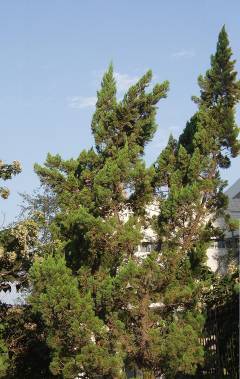
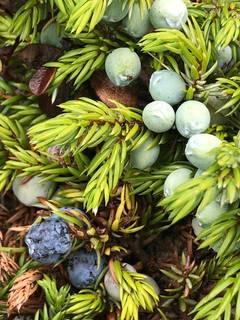
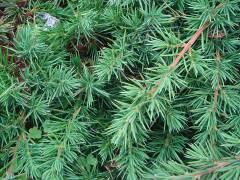
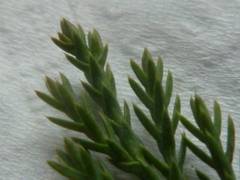
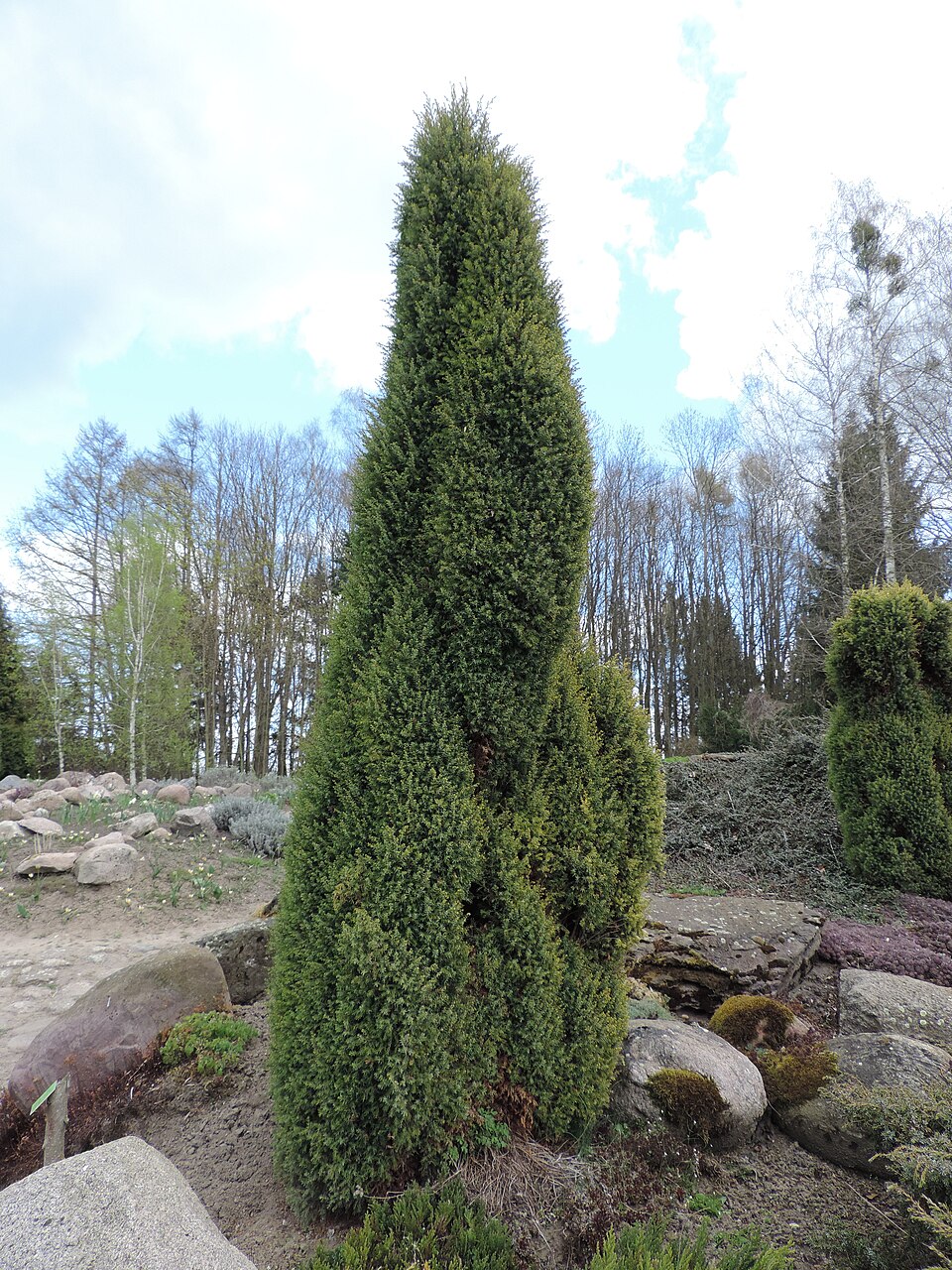
Juniperus communis 'Gold Cone' is an evergreen coniferous cultivar with a narrow upright columnar habit, reaching 3-5 feet (90-150 cm) tall and 12-24 inches (30-60 cm) wide at 10-15 years, with mature specimens to 6 feet (1.8 m). Branches ascend from a single base, holding tightly to a narrow vertical axis. Foliage is needle-like (juvenile-type retained at maturity), 0.3-0.5 inch (8-13 mm) long, sharp-pointed, golden-yellow on new spring growth, deepening to chartreuse in summer, and bronzing to copper-orange in winter cold. Color saturation peaks where new growth receives direct sun. The cultivar is dioecious; both male and female clones occur in the trade, with female plants producing dark blue berry-like cones 0.2-0.4 inch (5-10 mm) covered in waxy bloom, ripening over 2-3 years. Growth rate is slow at 3-6 inches (7.5-15 cm) per year. Plants tolerate poor sandy and rocky soils with sharp drainage and a wide pH range from 4.5 to 7.5. Limitations include foliage scorch on yellow growth in zones 7-8 in afternoon sun, susceptibility to phomopsis tip blight in humid summers, color reversion to dull green in part shade, and slow recovery from any breakage.
Native Range
The species Juniperus communis (common juniper) is native to circumpolar northern temperate regions of North America, Europe, and Asia, growing on rocky outcrops, heathlands, and exposed mountain slopes from sea level to 10,000 feet (3,000 m). 'Gold Cone' was selected in 1980 by Hofmann Nursery in Germany from J. communis 'Suecica' lineage.Suggested Uses
Used as a vertical accent in foundation plantings, mixed shrub borders, rock gardens, and as a container specimen in zones 4-7. Spaced 18-24 inches (45-60 cm) apart for narrow hedge plantings; closer spacing accelerates lower-branch loss. Plants grow in containers of 5-15 gallons (19-57 L), holding form 8-12 years before requiring root pruning.How to Identify
Appearance
Size & Dimensions
Height3' - 5'
Width/Spread1' - 2'
Bloom Information
Pollen cones release in March-April; juniper foliage produces no showy bloom. Female cones ripen over 2-3 growing seasons, maturing dark blue with waxy bloom. Cones persist 6-12 months on the plant after ripening. Pollen is allergenic in regions with high Juniperus densities.
Detailed Descriptions
Foliage Description
golden-yellow new growth, chartreuse summer, copper-orange winterGrowing Conditions
Sun Requirements
Requires 6-12 hours of direct sunlight daily
• Full Sun: 6+ hours of direct sunlight
• Partial Shade: 3-6 hours of direct sunlight
• Full Shade: Less than 3 hours of direct sunlight
Care & Maintenance
Care Guide
Full sun for 6-8 hours daily maintains golden color; partial shade fades color to dull green and weakens density. Watering at 7-10 day intervals supports the first two growing seasons; established plants tolerate 4-6 weeks of drought in zones 4-7. Sharp drainage is critical; root rot from Phytophthora appears within 1-2 seasons in standing water. Yellow foliage scorches at temperatures above 90°F (32°C) in zones 7-8 when exposed to afternoon sun; morning sun with afternoon shade preserves color in those climates. Phomopsis tip blight appears as orange-brown branchlet death in humid summers; affected tips are pruned out. Snow load can splay the columnar form; columnar shape is restored by binding the leaders together with soft tree wrap during heavy-snow winters.Pruning
Pruning is minimal and limited to removal of dead or damaged branches in late spring after new growth hardens. Tip pinching in spring increases lateral branching and density. Cuts into old leafless interior wood do not regenerate. Multiple-leader plants are corrected by removing all but one central stem in the first 2-3 years.Pruning Schedule
Prune: May–June
late spring
Container Growing
Suitable for container growing
Minimum container size: 5 gallons