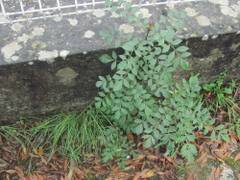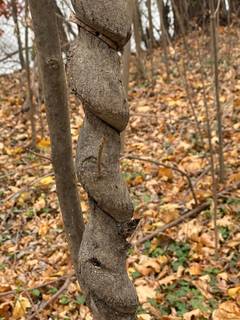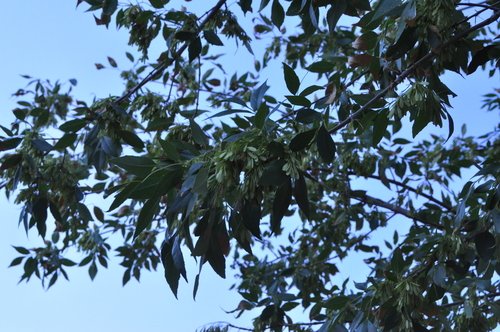
Fraxinus, Genus, velutina, Species,
- Genus & species
velvet ash
Southwestern United States and northern Mexico (CA, AZ, NM, TX, UT, CO, Sonora, Chihuahua; streams and washes in arid landscapes at 2,000-7,000 feet)
Overview
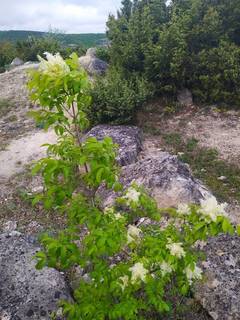
Fraxinus velutina is a medium upright to broadly rounded deciduous tree in the olive family (Oleaceae) reaching 30–50 feet (9–15 m) tall with a spread of 25–40 feet (7.5–12 m). This species stands as the ash of the arid American Southwest, running smaller in mature size, more drought-adapted, and more heat-tolerant than the eastern F. americana. The common name references the velvety pubescence (soft hairs) carried on the young twigs and on the undersides of the leaves. Leaves are pinnately compound with 3–7 leaflets (fewer per leaf than the eastern ashes, which typically carry 5–9), each 1–3 inches (2.5–8 cm) long, narrower and lighter green than F. americana leaflets. Fall color turns bright yellow. Bark is gray and furrowed at maturity. Growth rate is moderate to fast at 12–24 inches (30–60 cm) per year. The species is dioecious (separate male and female trees). The tree is short-lived relative to eastern ashes — typical lifespan runs 40–60 years versus 100+ years for F. americana. The species is susceptible to emerald ash borer (Agrilus planipennis), which has expanded into parts of the southwestern range since the 2010s and raises long-term risk for established specimens in affected regions. Hardy to zone 6.
Native Range
Fraxinus velutina is native to the southwestern United States and northern Mexico (California, Arizona, New Mexico, Texas, Utah, Colorado, Sonora, and Chihuahua), where it grows along streams, washes, and canyon bottoms in arid and semi-arid landscapes at 2,000–7,000 feet (600–2,100 m).Suggested Uses
Grown as a shade tree in arid and semi-arid landscapes where the eastern ashes cannot survive — the Southwest, the intermountain West, and Mediterranean-climate regions serve as the functional planting range. The drought and heat tolerance, rapid establishment growth, and bright yellow fall color serve as the selection criteria for dry-climate use. The tree functions in parks, residential lots, and street plantings in dry climates. Planting new specimens in regions with established emerald ash borer presence is not advisable given the species-level susceptibility. Wet soils and cold zones below 6 are not suitable. The 40–60 year mature lifespan runs shorter than most shade-tree species and should factor into long-term landscape-succession planning.How to Identify
Appearance
Size & Dimensions
Height30' - 50'
Width/Spread25' - 40'
Bloom Information
Inconspicuous flowers open in March–April, earlier than the eastern ash species by several weeks. Dioecious reproduction — separate male and female trees — means only female specimens produce the winged samaras that ripen in fall. The early-spring bloom timing matches the compressed growing season of the arid native range.
Detailed Descriptions
Foliage Description
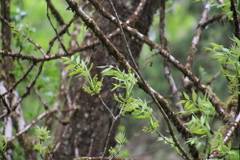
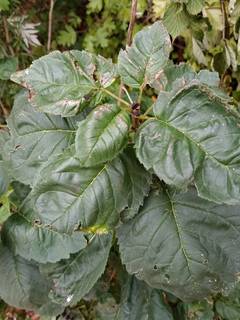
Light green with velvety pubescent undersides; compound with 3-7 leaflets; bright yellow fall colorGrowing Conditions
Sun Requirements
Requires 8-12 hours of direct sunlight daily
• Full Sun: 6+ hours of direct sunlight
• Partial Shade: 3-6 hours of direct sunlight
• Full Shade: Less than 3 hours of direct sunlight
Care & Maintenance
Care Guide
Grows in full sun in well-drained soil at pH 6.0–8.5, tolerating loam, sand, and clay. The species tolerates heat, drought, and alkaline soils at levels that exceed any other ash in cultivation, which reflects the Sonoran-and-Chihuahuan-desert adaptations of the native populations. Hardy to zone 6. Growth runs moderate to fast during the establishment years. Irrigation is required in planted settings without natural groundwater access, which runs counter to the drought-tolerant species profile but matches the streamside-riparian habitat preference of the wild populations. Lifespan runs short at 40–60 years relative to the 100+ year lifespans of eastern ash species. The species is susceptible to emerald ash borer (Agrilus planipennis), and wood may run brittle under strong wind loads. Structural pruning through the training years reduces long-term breakage risk.Pruning
Pruning is done in late winter (February–March). A strong central leader is developed when young through selective removal of competing leaders — F. velutina tends toward multiple leaders and narrow branch crotches more than the eastern ash species do, which makes early structural training important for long-term tree stability. Crossing branches and competing leaders are removed during the first several training seasons to set a sound scaffold framework.Pruning Schedule
Prune: February–March
winterearly spring