Fraxinus, Genus, albicans, Species,
- Genus & species
Texas ash
South-central United States (Texas, Oklahoma)
Overview
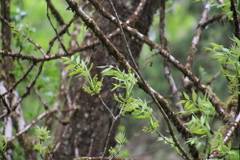
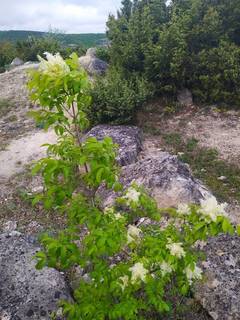
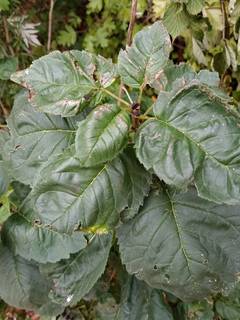
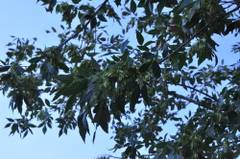
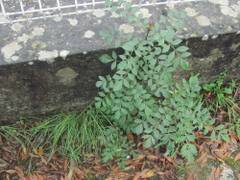
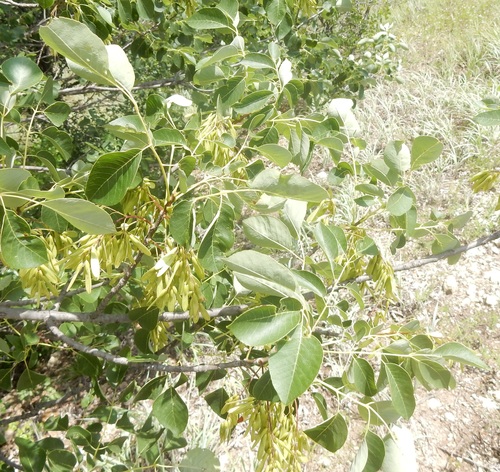
Fraxinus albicans is a small to medium deciduous tree of the olive family native to the limestone hills and canyons of central Texas and southern Oklahoma. It typically grows 25-45 feet (7.5-14 m) tall with a rounded to irregular crown spreading 25-40 feet (7.5-12 m), and is often shorter on dry rocky sites. The opposite, pinnately compound leaves bear 5-7 (rarely 9) rounded to oval leaflets, each 1-3 inches (2.5-7.5 cm) long, dark green above and paler beneath, turning yellow, orange, to purple in autumn. As a dioecious species, male and female flowers occur on separate trees; both are small and without petals, opening in early spring before the leaves. Female trees produce clusters of winged samaras 0.75-1.25 inch (2-3 cm) long that ripen in fall. Closely related to white ash (F. americana), it is more compact and more tolerant of drought, heat, and shallow alkaline soils. Like all ash, it is susceptible to emerald ash borer, a wood-boring beetle that has killed ash across North America, which limits its long-term use in affected regions. It is grown as a shade and street tree for dry, alkaline sites unsuited to larger ashes.
Native Range
Native to central Texas and southern Oklahoma, United States, where it grows on limestone hills, bluffs, and canyon slopes, often over shallow alkaline soils in the Edwards Plateau and Cross Timbers regions.Suggested Uses
Used as a shade tree, street tree, and lawn tree for dry, alkaline, and rocky sites in its hardiness range. It suits naturalized plantings and parks in central Texas where larger ashes are poorly adapted.How to Identify
Appearance
Size & Dimensions
Height25' - 45'
Width/Spread25' - 40'
Bloom Information
Small petalless flowers open in early spring, March to April, before the leaves expand. Male and female flowers occur on separate trees. The flowers are wind-pollinated and inconspicuous.
Detailed Descriptions
Foliage Description
dark greenGrowing Conditions
Sun Requirements
Requires 6-12 hours of direct sunlight daily
• Full Sun: 6+ hours of direct sunlight
• Partial Shade: 3-6 hours of direct sunlight
• Full Shade: Less than 3 hours of direct sunlight
Care & Maintenance
Care Guide
Grow in full sun in well-drained soil; the species is adapted to shallow, rocky, alkaline limestone soils and tolerates high pH that causes chlorosis in many trees. Once established it is drought- and heat-tolerant and needs only occasional deep watering in extended dry spells. It is more compact and longer-lived on dry sites than white ash but, like all ash, is at risk from emerald ash borer. Young trees respond to training to a single central leader and structural pruning. It casts moderate shade and tolerates urban conditions. Hardy in USDA zones 6-9.Pruning
Prune in late winter while dormant to establish a strong central leader and remove crossing or weak branches. Remove dead or borer-damaged wood as it appears. Heavy pruning of mature trees can cause stress and dieback.Pruning Schedule
Prune: February–March
winterearly spring