Fraxinus, Genus, spp., Multiple species,
- Genus
- Multiple species
ashes
Temperate Northern Hemisphere (North America, Europe, and Asia)
Overview
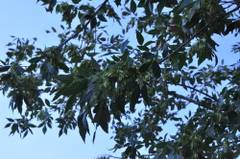
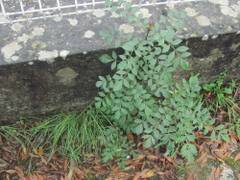
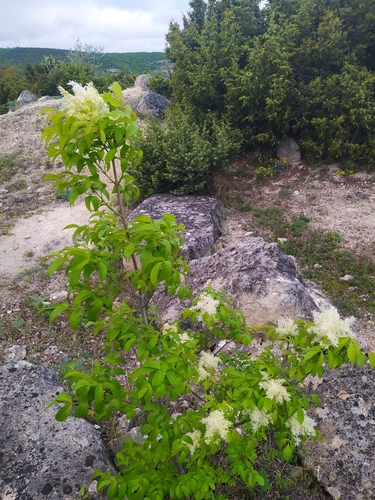
Fraxinus is a genus of about 45 to 65 species of mostly deciduous trees in the Oleaceae family, spread across temperate and subtropical regions of the Northern Hemisphere. Trees reach 30-120 feet (9-37 m) tall with an upright trunk and a rounded to oval crown. Leaves are opposite and pinnately compound, 6-15 inches (15-38 cm) long, with 5-11 toothed leaflets that turn yellow or, in white ash (F. americana), purple to maroon in fall. Most species are wind-pollinated and many are dioecious, with male and female flowers on separate trees; the small flowers open in spring before or with the leaves. Female trees produce hanging clusters of single-winged seeds (samaras) that spin as they fall and can seed prolifically into open ground. Ash wood is hard, straight-grained, and shock-resistant, used for tool handles, furniture, and baseball bats. Across North America, the emerald ash borer (Agrilus planipennis) has killed tens of millions of native ash trees since 2002, and the threat limits new planting in affected regions. The genus also suffers from ash dieback fungus in Europe and weak branch unions that split in storms.
Native Range
Fraxinus occurs throughout the temperate Northern Hemisphere across North America, Europe, and Asia, with a few species reaching subtropical climates. North American natives include F. americana, F. pennsylvanica, and F. nigra.Suggested Uses
Historically grown as shade and street trees for their fast growth and tolerance of tough sites, though the emerald ash borer has ended most new planting in North America. The wood is harvested for tool handles, flooring, furniture, and sports equipment. Seeds and insects associated with ash feed birds and other wildlife.How to Identify
Appearance
Size & Dimensions
Height30' - 120'
Width/Spread30' - 60'
Bloom Information
Flowering occurs in spring, generally April and May, before or as the leaves unfold. Male and female flowers are usually borne on separate trees, are small and petalless, and rely on wind for pollination. The flowers produce no nectar and little display. Samaras ripen from late summer into fall and may hang on the tree into winter.
Detailed Descriptions
Flower Description
green to purpleFoliage Description
greenGrowing Conditions
Sun Requirements
Requires 6-12 hours of direct sunlight daily
• Full Sun: 6+ hours of direct sunlight
• Partial Shade: 3-6 hours of direct sunlight
• Full Shade: Less than 3 hours of direct sunlight