Fraxinus, Genus, americana, Species,
- Genus & species
white ash
Eastern North America (Nova Scotia to N Florida, west to Minnesota/E Texas; upland forests)
Overview
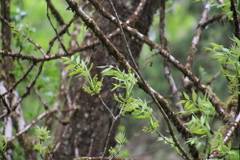
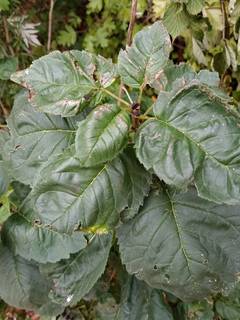
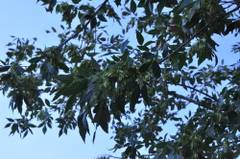
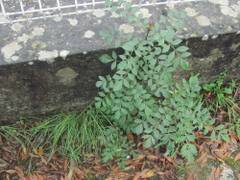
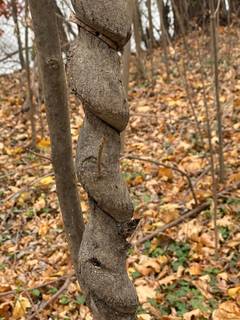
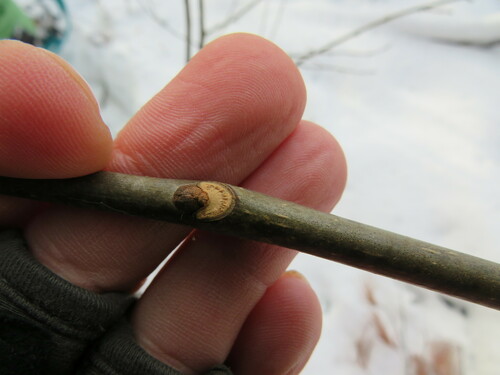
Fraxinus americana is a large upright to broadly oval deciduous tree reaching 50–80 feet (15–24 m) tall with a spread of 40–60 feet (12–18 m). The species is the largest ash native to North America and occupies a geographic range that stretches from Nova Scotia south to northern Florida and west to Minnesota and eastern Texas—a continental-scale native distribution that positioned the species historically as a dominant shade and timber tree across eastern North American forests. Leaves are pinnately compound with 5–9 leaflets (usually 7), each 3–5 inches (8–13 cm) long, dark green above and pale whitish-green below; the pale undersides are a key identification character that separates F. americana from other native ash species. Fall foliage turns purple to maroon-red to yellow—variable by individual tree but the strongest fall color produced by any North American ash species. Bark is gray-brown with a diamond-furrowed pattern that becomes pronounced on mature trunks and is a reliable winter identification character. Flowers are inconspicuous, dioecious (separate male and female trees), opening in April–May; female trees produce winged samaras 1–2 inches (2.5–5 cm) long in fall. Growth rate is moderate to fast—12–24 inches (30–60 cm) per year in good conditions. The emerald ash borer (Agrilus planipennis), an Asian beetle first detected in Michigan in 2002, has killed hundreds of millions of North American ash trees across the native range and has fundamentally altered the species' practical status as a landscape tree. Hardy to zone 3.
Native Range
Fraxinus americana is native to eastern North America, from Nova Scotia and southeastern Canada south to northern Florida and west to Minnesota, Iowa, and eastern Texas, growing in rich moist well-drained upland forests and on bottomland terraces away from the floodplain proper. The species was historically a canopy-dominant tree in mesic deciduous forests across the native range and supplied the primary wood for baseball bats, tool handles, and furniture before emerald ash borer devastation disrupted commercial availability.Suggested Uses
Planted as a large shade tree in parks, large landscapes, and street positions where the 40–60 foot eventual canopy spread has room to develop without conflict. The fall color (purple to maroon-red to yellow) and the moderate-to-fast growth rate are the primary ornamental features, and the species holds the strongest fall color produced by any North American ash. Male cultivars are chosen to avoid the samara litter that female trees drop across driveways and patios in fall. The emerald ash borer is the decisive consideration for any new planting: in EAB-affected regions, the practical question is whether the landscape owner is prepared to commit to ongoing insecticide treatment (generally every 2–3 years for a long-lived specimen tree) or whether a non-ash species (Quercus, Carpinus, Nyssa sylvatica) is a better match for the site. Small gardens, wet sites (root rot develops in standing water), and landscape programs without EAB treatment capacity are poor fits for the species.How to Identify
Appearance
Size & Dimensions
Height50' - 80'
Width/Spread40' - 60'
Bloom Information
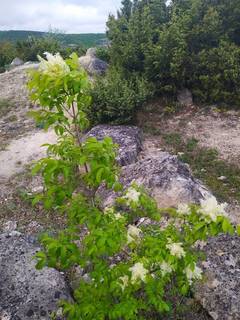
Flowers are inconspicuous, opening in April–May on separate male and female trees (dioecious). Male trees carry purplish pollen clusters; female trees carry small greenish flowers that develop into winged samaras 1–2 inches (2.5–5 cm) long ripening in fall and persisting on the tree into winter. Male cultivars are chosen for landscape use where samara litter on driveways, patios, and lawns is a practical concern.
Detailed Descriptions
Foliage Description
Dark green above, pale whitish-green below; purple to maroon-red to yellow fallGrowing Conditions
Sun Requirements
Requires 6-12 hours of direct sunlight daily
• Full Sun: 6+ hours of direct sunlight
• Partial Shade: 3-6 hours of direct sunlight
• Full Shade: Less than 3 hours of direct sunlight
Care & Maintenance
Care Guide
Plant in full sun in moist well-drained soil. The species tolerates a range of soil types but reaches full ornamental stature in deep fertile conditions. Hardy to zone 3 (−40°F / −40°C)—the cold-hardiness range covers essentially all of the continental United States and most of southern Canada. Moderate to fast growth. The emerald ash borer (Agrilus planipennis), an Asian beetle introduced to North America around 2002 and now present across most of the native ash range, kills untreated ash trees within 3–5 years of infestation; ongoing systemic insecticide treatment (every 2–3 years for trunk injection or annually for soil-drench applications) is the current management option for ash trees in EAB-affected areas. Local extension service consultation before planting is the practical approach in any region where EAB is established. Outside EAB-affected regions, the species is a low-maintenance long-lived shade tree.Pruning
Pruning is done in late winter to early spring before bud break. Developing a strong central leader during the first 5–10 years is the key structural decision—ash wood is moderately brittle, and poorly attached branches (narrow crotch angles below about 30 degrees from the trunk) tend to fail in storms as the tree matures. Narrow-angle branch crotches are removed early while still small enough to cut cleanly. Lower branches are raised progressively as the tree matures to develop a clear trunk below the canopy. Dead wood is removed any time of year, with attention to whether the dieback reflects emerald ash borer activity (D-shaped exit holes, S-shaped larval galleries under the bark, canopy dieback beginning in the upper branches) which would change management from simple pruning to infestation response.Pruning Schedule
Prune: February–March
winterearly spring