Image 1 of 8
1 / 8
Plant Reference
Fraxinus, Genus, oxycarpa, Species, 'Raywood', Cultivar,
- Genus & species
- Cultivar
raywood ash, flame ash
The species {F. oxycarpa} (now treated as {F. angustifolia} subsp. {oxycarpa}) is native to southern Europe and southwestern Asia; the 'Raywood' cultivar was selected at Raywood Park, South Australia around 1910
Overview
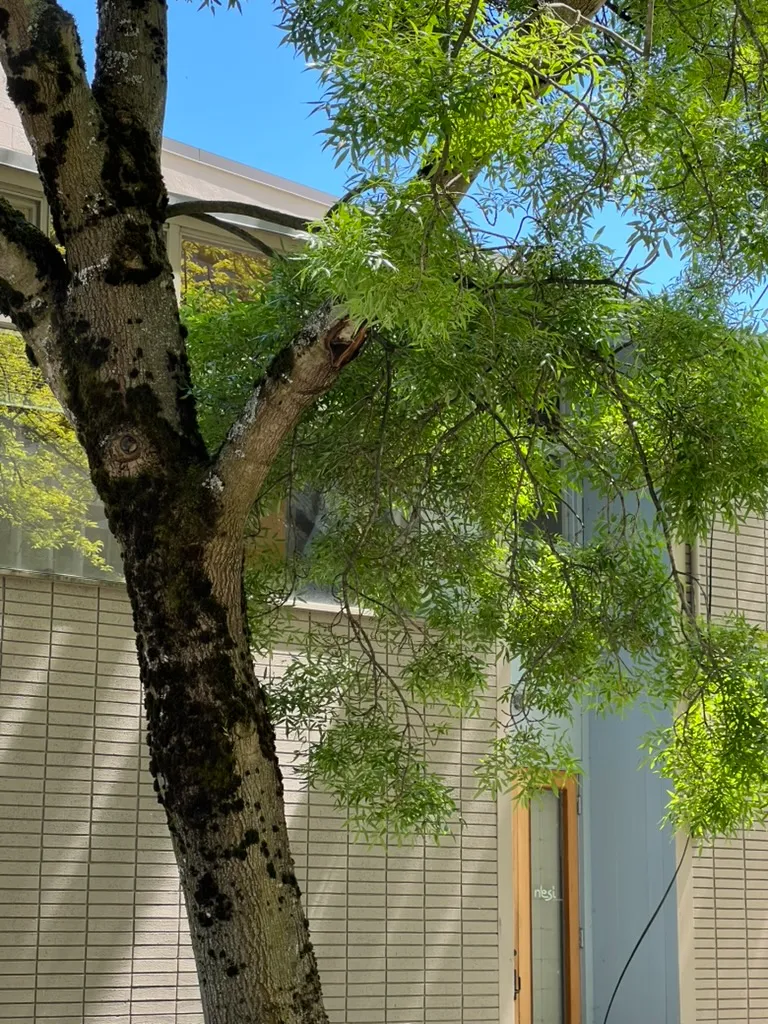
Fraxinus oxycarpa 'Raywood', also listed in recent taxonomic treatments as F. angustifolia ssp. oxycarpa 'Raywood', is an upright deciduous tree in the family Oleaceae reaching 35–50 feet (10.5–15 m) tall and 25–40 feet (7.5–12 m) wide with a compact oval crown. The cultivar was selected around 1910 at Raywood Park, South Australia, and has been propagated as a grafted clone ever since. Leaves are pinnately compound and carry 7–11 narrow leaflets each 2–3 inches (5–7 cm) long with serrated margins, and the narrow leaflet shape gives the canopy a delicate texture compared with the broader-leafletted cultivars of F. pennsylvanica. Fall foliage shifts from green through plum to deep purple and red, and the purple fall color is the main reason this cultivar has been carried into North American and European landscape use. 'Raywood' is a male clone that produces no samaras, so the shrubby seedling carpets that develop under fertile ash cultivars are absent. Small inconspicuous greenish wind-pollinated flowers without petals open briefly in April. Limitation: emerald ash borer (Agrilus planipennis) threatens all Fraxinus species in North America and the beetle's larvae kill unprotected trees within 2–5 years of infestation, ash dieback (Hymenoscyphus fraxineus) also affects the species in Europe, and new ash plantings carry elevated mortality risk in any region where either pathogen is established.
Native Range
The species Fraxinus oxycarpa (treated as F. angustifolia ssp. oxycarpa in some recent taxonomic treatments) is native to southern Europe and southwestern Asia, growing in riparian woodlands and on moist mountain slopes. The 'Raywood' cultivar has no natural range and was selected around 1910 at Raywood Park, South Australia, propagated vegetatively by grafting since.Suggested Uses
Used as a street tree, shade tree, or specimen in medium to large landscapes at 25–40 foot (7.5–12 m) spacing where the purple and red fall color is the reason for planting. The seedless male clone avoids the samara seed rain produced by fertile ash cultivars. Regions where emerald ash borer or ash dieback is established are unsuitable for new ash plantings without a long-term insecticide treatment plan, and most extension services no longer recommend new ash planting in those regions.How to Identify
Appearance
Size & Dimensions
Height35' - 50'
Width/Spread25' - 40'
Bloom Information
Small inconspicuous greenish wind-pollinated flowers without petals open briefly in April, lasting about 1 week. 'Raywood' is a male clone and produces no samaras, so there is no seed crop to identify the tree in late summer or fall.
Detailed Descriptions
Foliage Description
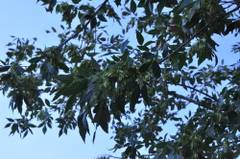
dark green through the growing season; pinnately compound with 7-11 narrow leaflets each 2-3 inches (5-7 cm) long with serrated margins; turns purple, plum, and red in fallGrowing Conditions
Sun Requirements
Requires 6-10 hours of direct sunlight daily
• Full Sun: 6+ hours of direct sunlight
• Partial Shade: 3-6 hours of direct sunlight
• Full Shade: Less than 3 hours of direct sunlight
Care & Maintenance
Care Guide
Site in full sun with 6–10 hours of direct sun per day in well-drained soil with a pH of 6.0–8.0. The cultivar tolerates alkaline soil and clay and is drought-tolerant once established. Emerald ash borer (Agrilus planipennis) has killed hundreds of millions of ash trees across North America since 2002, and trees in regions where EAB is established require either ongoing systemic insecticide treatment or eventual replacement. Ash dieback (Hymenoscyphus fraxineus) affects the species in Europe. New ash plantings in regions where either pathogen is established carry elevated mortality risk and most extension services no longer recommend new ash planting in those regions. Hardy in USDA zones 6–9.Pruning
Pruning is done in late winter (February and March) while the tree is dormant. A strong central leader is developed in the first 5–10 years because Fraxinus species are prone to co-dominant leaders with included bark that fail in wind and ice loading. Dead, crossing, or weak-angled branches can be removed at the same time. Canopy dieback from the top down indicates emerald ash borer infestation and calls for arborist assessment.Pruning Schedule
Prune: February–March
early spring