Image 1 of 20
1 / 20
Plant Reference
Fraxinus, Genus, ornus, Species,
- Genus & species
flowering ash, manna ash
Southern Europe and southwestern Asia — from Spain and Italy east to Turkey and the Caucasus; dry rocky hillsides and open woodlands
Overview
Fraxinus ornus is flowering ash (manna ash), an upright deciduous tree growing 25-65 feet (7.5-20 m) tall and 20-40 feet (6-12 m) wide. White fragrant fluffy flower panicles 3-6 inches (7-15 cm) in May-June — the only commonly cultivated ash with conspicuous flowers. Dark green pinnately compound leaves with 5-9 leaflets each 2-4 inches (5-10 cm). Turns yellow to purple in fall (variable). Clusters of winged samaras 1-1.5 inches (2.5-4 cm). In Oleaceae. Native to southern Europe and southwestern Asia. Named manna ash because the sap (manna) was historically collected in Sicily for medicinal use. Emerald ash borer (Agrilus planipennis) threatens all Fraxinus species — F. ornus may have partial resistance (research ongoing), but the EAB threat is the primary limitation for new ash plantings. Tolerates alkaline soil (pH to 8.0) and drought once established. Tolerates urban conditions. The cultivar 'Meczek' is a compact selection (20-25 feet / 6-7.5 m). Non-toxic. Zones 6-9. Full sun. Growth rate is moderate.
Native Range
Native to southern Europe and southwestern Asia — from Spain and Italy east to Turkey and the Caucasus. Found on dry rocky hillsides and open woodlands.Suggested Uses
Grown as a specimen tree, street tree (compact cultivars), and in Mediterranean-style gardens spaced 20-40 feet (6-12 m). Fragrant white spring bloom. Tolerates alkaline soil and drought. Emerald ash borer risk. 'Meczek' for smaller sites. Non-toxic. Zones 6-9.How to Identify
Appearance
Size & Dimensions
Height25' - 65'
Width/Spread20' - 40'
Bloom Information
Late spring (May-June). White fragrant fluffy terminal panicles 3-6 inches (7-15 cm). Moderately fragrant. 2 weeks of bloom. Insect-pollinated (unlike other ash — wind-pollinated). Winged samaras follow.
Detailed Descriptions
Flower Description
White, fragrant, in large fluffy terminal panicles 3-6 inches (7-15 cm) longFoliage Description
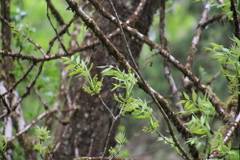
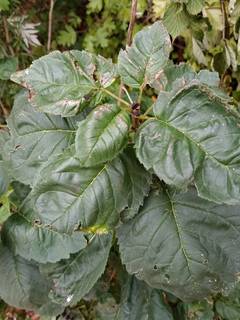
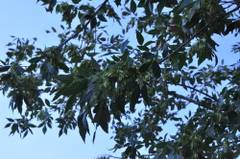
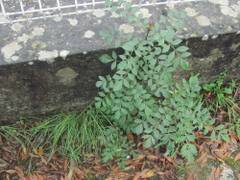
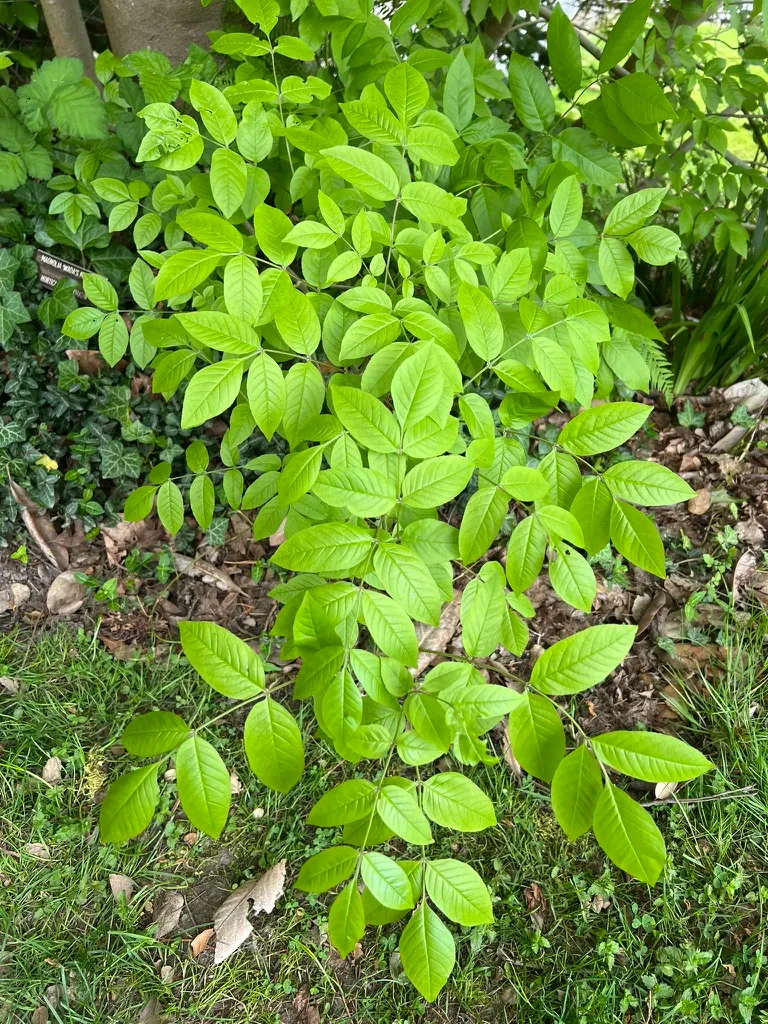
Dark green, pinnately compound with 5-9 leaflets each 2-4 inches (5-10 cm) long with serrated margins; turns yellow to purple in fall — fall color is variableGrowing Conditions
Sun Requirements
Requires 6-10 hours of direct sunlight daily
• Full Sun: 6+ hours of direct sunlight
• Partial Shade: 3-6 hours of direct sunlight
• Full Shade: Less than 3 hours of direct sunlight
Care & Maintenance
Care Guide
Full sun (6+ hours). Well-drained soil pH 6.0-8.0 — tolerates alkaline and dry rocky soil. Drought-tolerant once established. Tolerates urban conditions. Emerald ash borer threatens all ash — monitor for canopy dieback. Prune in late winter (February-March). Non-toxic. Zones 6-9.Pruning
Prune in late winter (February-March). Develop a strong central leader when young. Remove dead, crossing, or weak-angled branches. Canopy dieback may indicate emerald ash borer.Pruning Schedule
Prune: February–March
early spring