Image 1 of 12
1 / 12
Plant Reference
Fraxinus, Genus, latifolia, Species,
- Genus & species
Oregon ash
Pacific Coast — British Columbia south through Washington, Oregon, and California; riparian areas, floodplains, and wet bottomlands; the only ash native to the Pacific Northwest
Overview
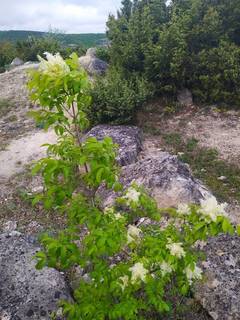
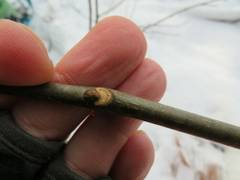
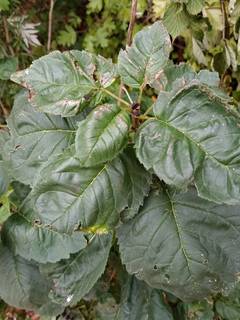
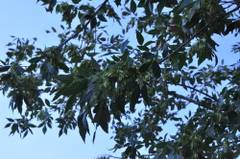
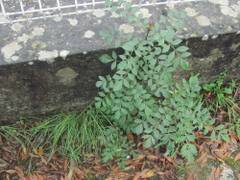
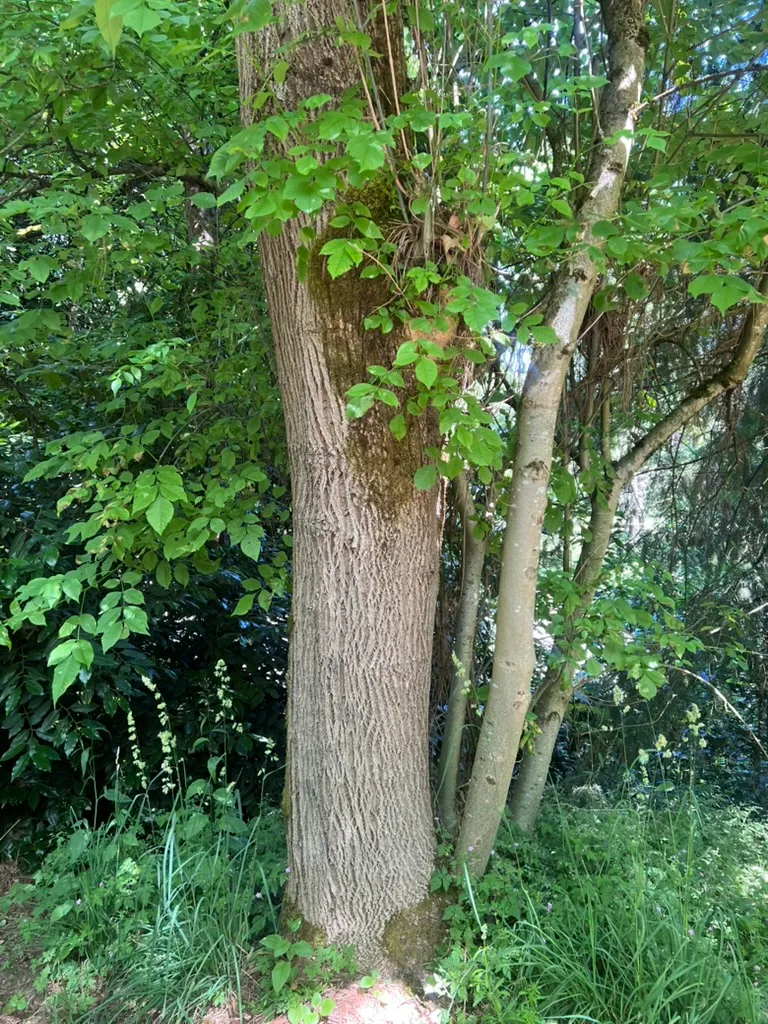
Fraxinus latifolia is Oregon ash (western ash), a large upright deciduous tree growing 40-80 feet (12-24 m) tall and 20-40 feet (6-12 m) wide. Opposite pinnately compound leaves with 5-7 broadly elliptic leaflets each 2-5 inches (5-12 cm), slightly toothed or entire. Velvety underside on young leaves. Turns yellow in fall. Inconspicuous greenish wind-pollinated flowers in March-April. Dioecious — female trees produce prolific winged samaras 1-2 inches (2.5-5 cm). In Oleaceae. Native to the Pacific Coast — the only ash native to the Pacific Northwest. Found in riparian areas, floodplains, and wet bottomlands. Emerald ash borer (Agrilus planipennis) is the primary threat — this invasive beetle was first detected in Oregon in 2022 and kills ash trees within 2-5 years. All North American Fraxinus species are susceptible. This EAB threat is the primary limitation for new plantings of any ash species. Requires consistently moist to wet soil — not drought-tolerant. Large tree. Non-toxic. Zones 6-9. Full sun to partial shade. Growth rate is moderate.
Native Range
Native to the Pacific Coast — British Columbia south through Washington, Oregon, and California. The only ash native to the Pacific Northwest. Found in riparian areas, floodplains, and wet bottomlands.Suggested Uses
Grown in riparian restoration, wet bottomland sites, and large landscapes with consistently moist soil, spaced 20-40 feet (6-12 m). Native to Pacific Northwest. Emerald ash borer threatens all ash — consider the EAB risk before planting. Not for dry sites. Non-toxic. Zones 6-9.How to Identify
Appearance
Size & Dimensions
Height40' - 80'
Width/Spread20' - 40'
Bloom Information
Early spring (March-April). Inconspicuous greenish flowers — wind-pollinated. Dioecious. 3 weeks. Female trees produce prolific clusters of winged samaras 1-2 inches (2.5-5 cm) persisting through winter.
Detailed Descriptions
Foliage Description
Medium to dark green, opposite, pinnately compound with 5-7 broadly elliptic leaflets each 2-5 inches (5-12 cm), slightly toothed or entire margins; velvety underside on young leaves; turns yellow in fallGrowing Conditions
Sun Requirements
Requires 4-12 hours of direct sunlight daily
• Full Sun: 6+ hours of direct sunlight
• Partial Shade: 3-6 hours of direct sunlight
• Full Shade: Less than 3 hours of direct sunlight
Care & Maintenance
Care Guide
Full sun to partial shade (4-12 hours). Consistently moist to wet soil pH 5.5-7.5 — tolerates seasonal flooding. Not drought-tolerant. Emerald ash borer (EAB) threatens all North American ash — monitor for canopy dieback. Large tree (40-80 feet / 12-24 m). Prune in late winter (February-March). Non-toxic. Zones 6-9.Pruning
Prune in late winter (February-March). Develop a strong central leader when young. Remove dead, crossing, or weak-angled branches. Canopy dieback (top-down branch death) may indicate emerald ash borer — contact local extension office.Pruning Schedule
Prune: February–March
early spring