Fraxinus, Genus, excelsior, Species, f., Form, diversifolia, Form,
- Genus & species
- Form
one-leaved ash
Europe and W Asia (Scandinavia to Mediterranean, east to Caucasus; forests, riverbanks)
Overview
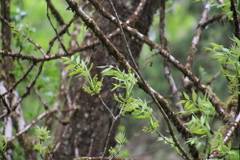
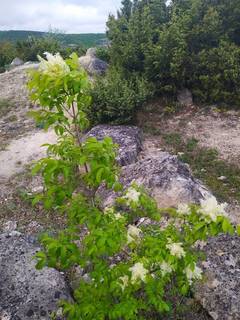
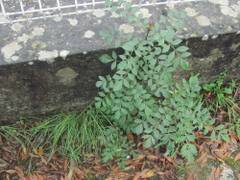
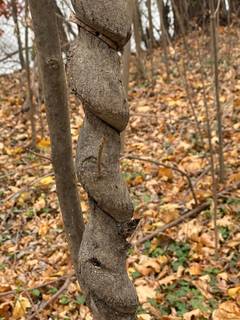
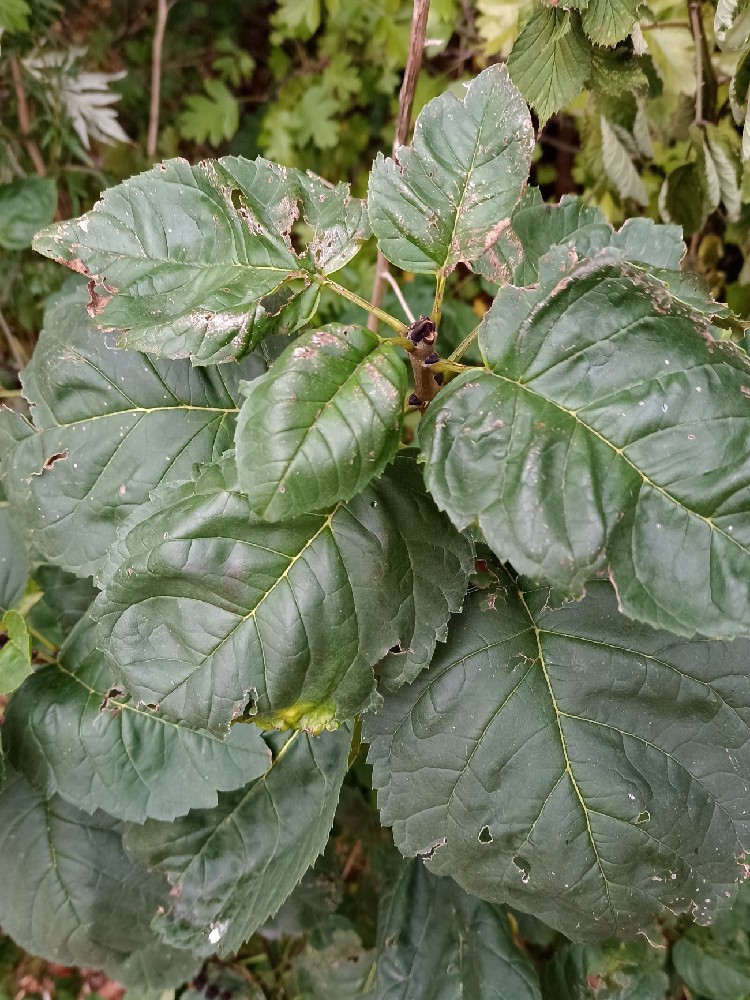
Fraxinus excelsior f. diversiflora is a medium to large upright to broadly rounded deciduous tree reaching 40–60 feet (12–18 m) tall with a spread of 30–40 feet (9–12 m). The form carries simple (unifoliolate) leaves in place of the pinnately compound leaves that define the ash genus—each leaf is a single broad ovate to elliptic blade 3–6 inches (8–15 cm) long with serrated margins, a morphology that resembles a large elm or linden leaf far more than the fern-like compound foliage of typical Fraxinus. No other ash form in temperate cultivation produces this simple-leaf morphology at the tree scale, which makes the botanical form a conversation piece and a teaching specimen in arboreta more than a practical landscape-replacement for standard European ash. The bark carries the characteristic gray ridged pattern of F. excelsior, which remains the reliable identification anchor when the leaves appear so atypical for an ash. Fall color is yellow. Growth rate is moderate—12–18 inches (30–45 cm) per year. Mature size is somewhat smaller than the typical species at comparable age. The form faces two concurrent pest and disease threats in European cultivation: the emerald ash borer (Agrilus planipennis), which reached European populations in the 2010s, and ash dieback caused by the fungus Hymenoscyphus fraxineus, which has killed large numbers of European ash trees since its initial detection in Poland in the early 1990s. Hardy to zone 4.
Native Range
The species Fraxinus excelsior is native to Europe and western Asia, from Scandinavia south to the Mediterranean and east to the Caucasus Mountains, growing in mixed deciduous forests, along riverbanks, and on limestone and chalk soils. The species is an important component of ancient European woodland, where individual trees can reach 300 years in age. The form diversiflora is a naturally occurring variant that was recognized in horticultural literature by the early 19th century and has since been propagated clonally for arboretum and botanical-garden planting; the form occasionally appears in wild populations as a spontaneous mutation.Suggested Uses
Planted as a specimen tree in arboreta, botanical gardens, and large private gardens where the simple-leaved ash morphology can carry ornamental and teaching value that no other ash form carries. The single-blade leaves create a foliage texture different from any other ash in cultivation and function most clearly where a gardener or visitor will recognize the departure from standard ash morphology. The form is not a practical landscape-replacement for standard European ash; 'Raywood' and other F. excelsior cultivars carry the typical ash appearance that garden users associate with the genus. Sites where EAB or ash dieback is present and treatment is not feasible, and small gardens, are poor fits for the form.How to Identify
Appearance
Size & Dimensions
Height40' - 60'
Width/Spread30' - 40'
Bloom Information
Inconspicuous flowers open in April–May before leaf emergence. Winged samaras 1–1.5 inches (2.5–4 cm) long develop in clusters through summer and persist on the tree into winter—a standard Fraxinus samara pattern that remains consistent despite the atypical foliage shape.
Detailed Descriptions
Foliage Description
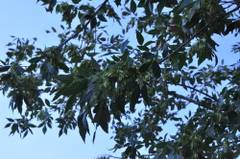
Dark green, simple (not compound); yellow fallGrowing Conditions
Sun Requirements
Requires 6-12 hours of direct sunlight daily
• Full Sun: 6+ hours of direct sunlight
• Partial Shade: 3-6 hours of direct sunlight
• Full Shade: Less than 3 hours of direct sunlight
Care & Maintenance
Care Guide
Plant in full sun in moist well-drained soil. Tolerates alkaline and calcareous soils (pH 6.0–8.0), reflecting the limestone and chalk substrates that support F. excelsior in much of its native range. Hardy to zone 4 (−30°F / −34°C). Moderate growth rate. The species and its forms face two concurrent pest and disease threats: the emerald ash borer (Agrilus planipennis) reached European ash populations in the 2010s and kills infested trees within 3–5 years without systemic insecticide treatment; ash dieback caused by Hymenoscyphus fraxineus (the fungus formerly known as Chalara) has killed large numbers of European ash since the 1990s and continues to spread across the native range. Extension service or forestry agency consultation clarifies the local status of both threats.Pruning
Pruning is done in late winter before bud break. A strong central leader is developed during the first 5–10 years. Dead, damaged, or crossing branches are removed as noticed. Ash dieback symptoms—crown dieback progressing from the upper branches downward, diamond-shaped bark lesions on stems, and blackened shoot tips—are checked for during routine pruning inspection; pruning tools are sanitized between cuts when dieback is suspected to avoid spreading the fungal pathogen.Pruning Schedule
Prune: February–March
winterearly spring