Eryngium, Genus, planum, Species,
- Genus & species
blue eryngo
Overview
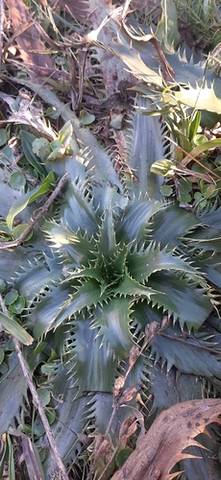
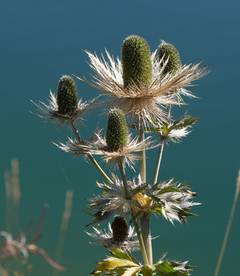
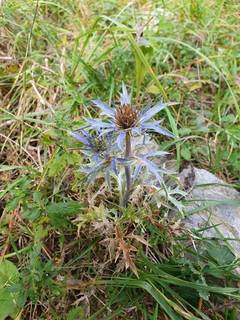
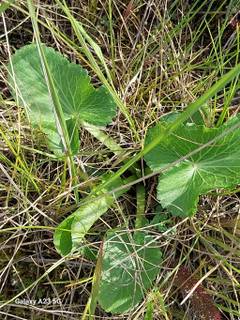
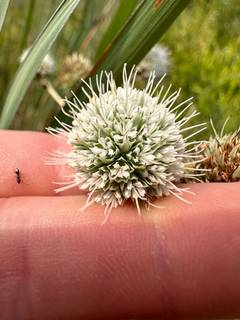
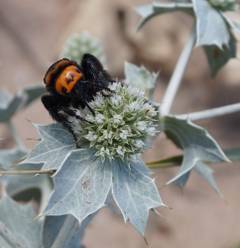
Eryngium planum is a clump-forming herbaceous perennial 24-36 inches (60-90 cm) tall, growing from a deep taproot and forming a basal rosette of rounded to heart-shaped, long-stalked leaves with toothed margins. In summer it sends up branched, wiry stems that flush metallic blue toward the top, carrying many small, egg-shaped flower heads each about 0.6 inch (15 mm) long. Every head is cradled by a ruff of narrow, spine-tipped blue bracts, and the tiny steel-blue flowers within draw bees and other insects. The stem leaves are stalkless, spiny, and clasping, contrasting with the soft basal foliage. It grows on dry grassland, steppe, and sandy or stony ground from southeast Europe across to central Asia, tolerating drought and poor soils through its deep root. The blue colouring intensifies in full sun and lean soil and fades in shade or rich ground. After flowering the heads dry to a stiff brown and hold their shape into winter. The plant self-seeds where soil is open and resents being moved once its taproot is established. It is grown widely in gardens, where several selections deepen the blue of the stems and bracts.
Native Range
Native to southeast Europe and across temperate Asia to central Asia and Siberia. It grows on dry grassland, steppe, and sandy or stony ground.Suggested Uses
Grown in gravel gardens, dry borders, and prairie-style plantings for its blue summer heads and drought tolerance. The heads are cut fresh or dried for arrangements. It is used in pollinator and seaside plantings on poor, sunny soils.How to Identify
Appearance
Size & Dimensions
Height2' - 3'
Width/Spread1'6" - 2'
Bloom Information
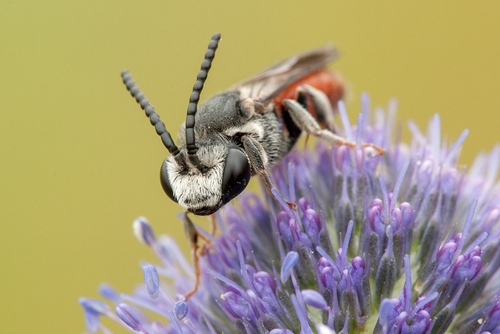
Steel-blue flower heads open from July to September on branched stems. Each cone-shaped head flowers over several weeks and is visited by bees, wasps, and hoverflies. The dried heads keep their form and colour into winter.
Detailed Descriptions
Foliage Description
greenGrowing Conditions
Sun Requirements
Requires 6-12 hours of direct sunlight daily
• Full Sun: 6+ hours of direct sunlight
• Partial Shade: 3-6 hours of direct sunlight
• Full Shade: Less than 3 hours of direct sunlight
Care & Maintenance
Care Guide
Eryngium planum grows in free-draining sandy, stony, or poor soils in full sun and tolerates a soil pH from about 6.0 to 8.0. It withstands drought, heat, and coastal salt once its deep taproot is established, but rots in wet or heavy ground over winter. The plant is hardy to USDA zone 5 and dies back to the rootstock each autumn. It is grown from seed sown fresh and dislikes root disturbance, so it is rarely divided. Self-sown seedlings appear where the soil is open. Lean soil and full sun give the strongest blue colouring.Pruning
Spent stems can be cut down in late winter, or left standing for their dried heads and winter structure. Cutting some stems back before flowering can produce a bushier, many-branched plant.Container Growing
Suitable for container growing
Minimum container size: 3 gallons