Eryngium, Genus, ovinum, Species,
- Genus & species
blue devil
Overview
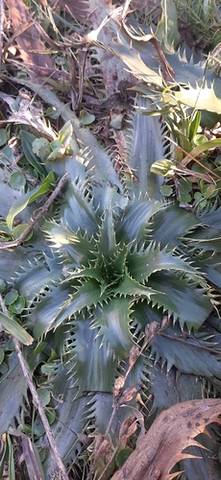
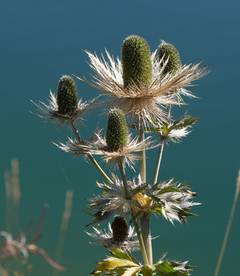
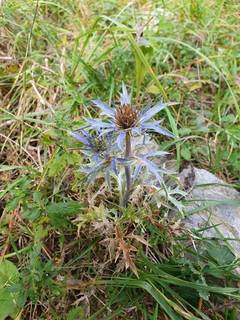
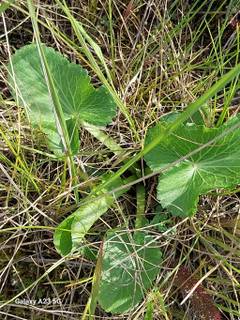
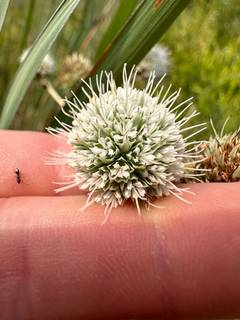
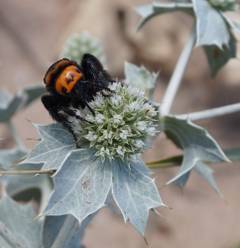
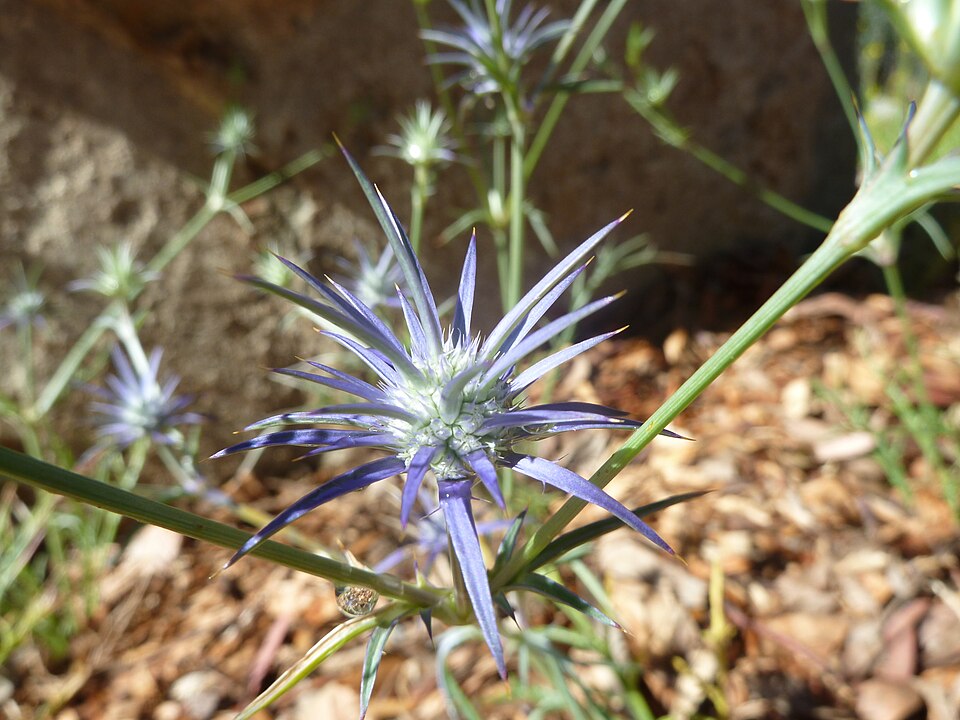
Eryngium ovinum is a deciduous to semi-evergreen perennial forming a basal rosette of stiff, deeply divided, spine-tipped leaves and branched flowering stems 12-24 inches (30-60 cm) tall. The leaves are grey-green, 2-6 inches (5-15 cm) long, and narrowly divided into rigid spiny segments. In summer the upper stems, bracts, and cone-shaped flower heads turn metallic blue, each head 0.4-0.8 inch (1-2 cm) long and ringed by spiny blue bracts. The blue color fades to straw-brown as the seed ripens. The plant grows from a deep taproot that lets it survive summer drought and dies back to the rootstock in winter or after seeding. It self-seeds in open ground but is intolerant of root disturbance once established.
Native Range
Native to southeastern Australia, in New South Wales, Victoria, South Australia, and Tasmania. Grows in native temperate grasslands and grassy woodlands on heavy clay and loam soils, a habitat that has become scarce through agricultural clearing.Suggested Uses
Grown in native grassland plantings, meadow gardens, and rockeries, spaced 12-18 inches (30-45 cm) apart. The blue summer heads are cut for fresh and dried arrangements and draw native bees and other insects. The spiny foliage and deep taproot suit permanent plantings but make it hard to move.How to Identify
Appearance
Size & Dimensions
Height1' - 2'
Width/Spread8" - 1'4"
Colors
Bloom Information
Flowers in summer, December through February in its native range. The blue coloring of the stems, bracts, and heads develops over several weeks and persists 6-8 weeks before fading to straw-brown. Color is strongest on plants in full sun.
Detailed Descriptions
Foliage Description
grey-greenGrowing Conditions
Sun Requirements
Requires 6-10 hours of direct sunlight daily
• Full Sun: 6+ hours of direct sunlight
• Partial Shade: 3-6 hours of direct sunlight
• Full Shade: Less than 3 hours of direct sunlight
Care & Maintenance
Care Guide
Grows in full sun on heavy clay or loam soils that may be wet in winter and dry in summer. Water through establishment; the deep taproot then carries the plant through summer drought. Wet, poorly drained soil in the dormant season can rot the crown. The taproot makes established plants hard to transplant, so it is grown from seed sown where it is to grow. It dies back over winter and reshoots from the rootstock in spring.Pruning
Spent flowering stems can be cut to ground level after seeding, or left standing for their straw-brown seed heads. No other pruning is needed. Foliage dies back naturally over winter.Pruning Schedule
Prune: March–April
fall
Container Growing
Suitable for container growing
Minimum container size: 3 gallons