Eryngium, Genus, leavenworthii, Species,
- Genus & species
Leavenworth's eryngo
South-central United States and northeastern Mexico
SunFull Sun
Overview
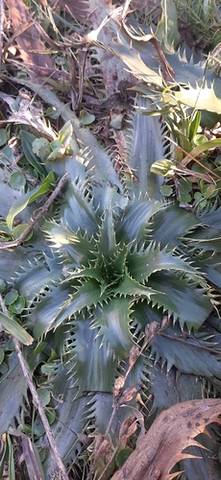
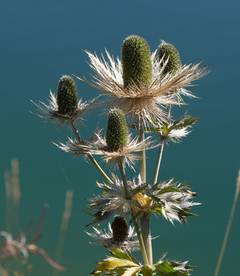
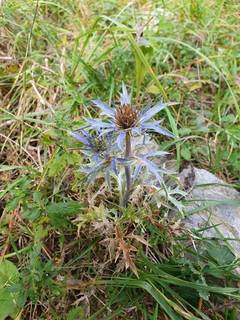
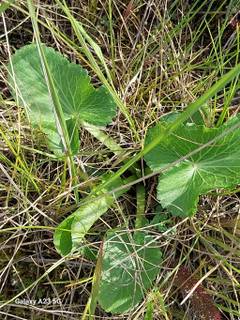
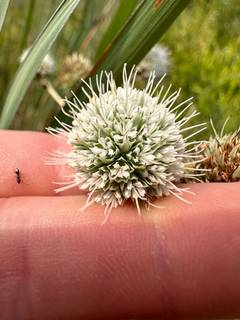
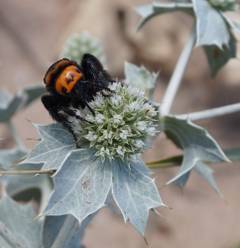
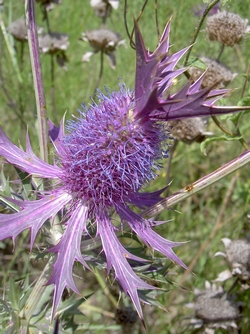
Eryngium leavenworthii is an annual in the carrot family that grows 1-3 feet (30-90 cm) tall on stiff, branching, blue-green stems that flush purple as the plant matures. Despite its thistle-like look, it is not a true thistle. The stem leaves are rigid and spiny-toothed, clasping the stem. From summer into fall the branch tips carry cone-shaped flower heads 1-2 inches (2.5-5 cm) tall, deep violet-purple and topped with a crown of spiny purple bracts. The heads are packed with tiny flowers that draw bees, wasps, and butterflies. The whole plant takes on purple tones at peak bloom, fading to tan as seed sets and the plant dies at the end of the season. It grows on dry prairies, limestone outcrops, roadsides, and overgrazed ground across the southern Great Plains, often forming dense stands on disturbed calcareous soils. The spiny bracts and leaves make handling difficult and limit placement near walkways. It tolerates drought and poor soil but needs full sun and sharp drainage. Seed germinates after spring rains, and plants self-sow where bare soil is available.
Native Range
Native to the southern Great Plains of the United States, from Kansas and Oklahoma through Texas and into northeastern Mexico, growing on dry calcareous prairies, limestone outcrops, and disturbed roadsides.Suggested Uses
Used in native prairie plantings, pollinator gardens, and dry meadows, spaced 12-18 inches (30-45 cm) apart. The stems and heads hold color when cut and dried for arrangements. Its spiny habit suits naturalistic areas set back from paths.How to Identify
Appearance
Size & Dimensions
Height1' - 3'
Width/Spread1' - 2'
Colors
Flower Colors
Foliage Colors
Bloom Information
Detailed Descriptions
Foliage Description
blue-greenGrowing Conditions
Sun Requirements
Requires 6-12 hours of direct sunlight daily
• Full Sun: 6+ hours of direct sunlight
• Partial Shade: 3-6 hours of direct sunlight
• Full Shade: Less than 3 hours of direct sunlight
Water & Climate
Water Needs
Drought Tolerance
Drought tolerant when established
Care & Maintenance
Care Guide
Grow in full sun in dry, well-drained soil, including poor, rocky, and alkaline ground. The species needs little water once established and declines in rich or moist soil. Sow seed directly in fall or early spring, as the taproot resents disturbance. Plants self-sow and can form colonies where soil stays bare. The spiny foliage is passed over by deer and livestock. No serious pests or diseases affect it.Pruning
No pruning is needed for this annual. Stems can be cut for dried arrangements once the heads color up. Taking off seed heads before they shatter limits self-seeding.Toxicity
Non-toxicPlanting Guide
Planting Methods & Timing
Planting Method
direct sow
Direct Sow Timing
fall or early spring
Plant Spacing
12 inches