Eryngium, Genus, giganteum, Species,
- Genus & species
miss Wilmott's ghost
Caucasus region (Georgia, Azerbaijan, Armenia), northern Iran, northeastern Turkey
Overview
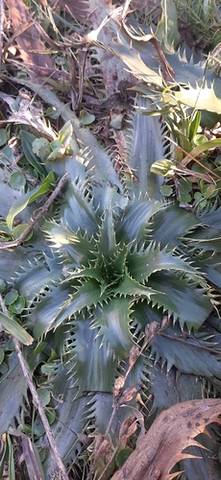
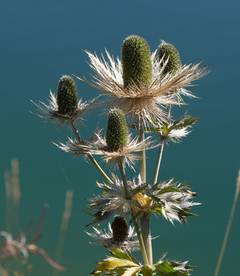
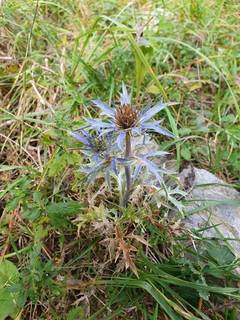
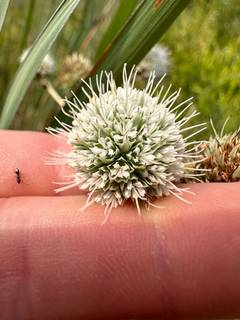
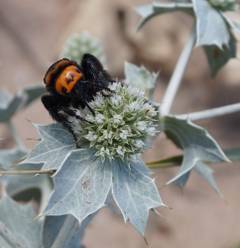
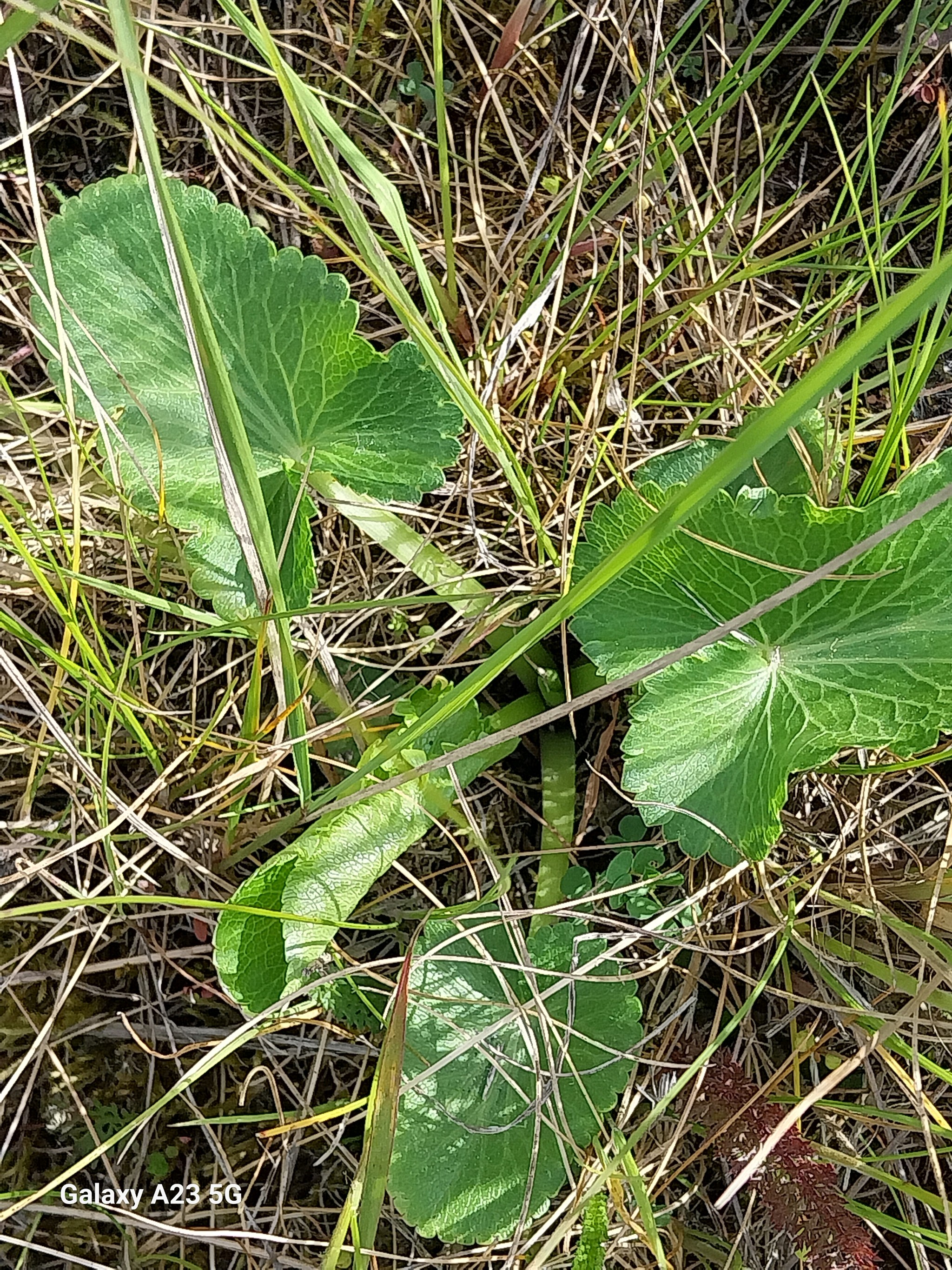
Eryngium giganteum is Miss Wilmott's ghost, a biennial growing 36-48 inches (90-120 cm) tall and 18-24 inches (45-60 cm) wide. Steel blue to silver-white cone-shaped flower heads 1.5-2 inches (4-5 cm) surrounded by prominent silvery-white spiny bracts 3-4 inches (7-10 cm) across in summer (July-August) — the entire upper plant turns silver-white in flower. The dried silver skeleton persists upright through fall and winter. In the carrot family (Apiaceae). Biennial: a basal rosette of dark green heart-shaped leaves in year 1; a tall flowering stem with silver bracts in year 2; then the plant dies after setting seed. Self-sows freely on well-drained soil — allow seed dispersal to maintain the population. Named after Ellen Willmott (1858-1934), the English plantswoman who reportedly scattered the seeds secretly in other people's gardens — the self-sown plants appearing as a 'ghost' in unexpected locations. The species name 'giganteum' references the large bract size — the largest in the genus. Tolerates alkaline and chalky soil (pH to 8.0). Lean poor soil produces more compact silvery plants; rich moist soil produces taller green growth with less silver coloring. Non-toxic. Deer-resistant (spiny). Drought-tolerant. Full sun. Zones 5-8. Growth rate is moderate.
Native Range
Native to the Caucasus region (Georgia, Azerbaijan, Armenia), northern Iran, and northeastern Turkey.Suggested Uses
Commonly planted in gravel gardens, dry borders, and cottage gardens in zones 5-8. The silver-white bracts and the self-sowing 'ghost' habit are the species features. Allow self-sowing. Lean soil for silver color. Non-toxic. Deer-resistant.How to Identify
Appearance
Size & Dimensions
Height3' - 4'
Width/Spread1'6" - 2'
Bloom Information
Summer (July-August), lasting 5-6 weeks. Steel blue to silver-white cone-shaped flower heads with prominent spiny bracts. Biennial — flowers in year 2, then dies. The dried silver skeleton persists through winter. Self-sows.
Detailed Descriptions
Flower Description
Steel blue to silver-white cone-shaped flower heads 1.5-2 inches (4-5 cm) surrounded by prominent silvery-white spiny bracts 3-4 inches (7-10 cm) acrossFoliage Description
Dark green basal rosette (year 1); upper stems and bracts turn silver-white when in flower (year 2)Growing Conditions
Sun Requirements
Requires 6-10 hours of direct sunlight daily
• Full Sun: 6+ hours of direct sunlight
• Partial Shade: 3-6 hours of direct sunlight
• Full Shade: Less than 3 hours of direct sunlight
Care & Maintenance
Care Guide
Full sun. Lean poor well-drained soil — rich soil reduces the silver coloring. Tolerates alkaline and chalky soil (pH to 8.0). Biennial — allow self-sowing to maintain the population. Do not transplant (deep taproot). Non-toxic. Deer-resistant (spiny). Drought-tolerant. Zones 5-8.Pruning
Do not deadhead — allow seed set (biennial dies after flowering). Remove the dried skeleton in late fall (October-November) after seeds have dispersed, or leave standing through winter for structure.Pruning Schedule
Prune: October–November
fall