Eryngium, Genus, amethystinum, Species,
- Genus & species
amethyst sea holly
Mediterranean (Italy, Balkans, Greece, Turkey; dry rocky calcareous slopes)
Overview
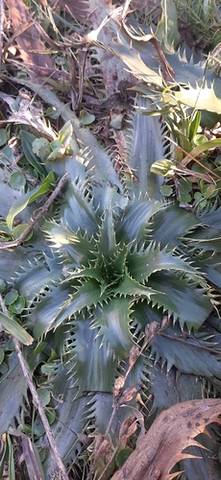
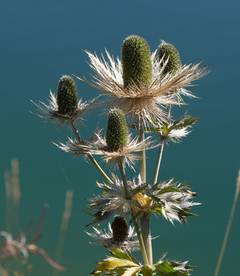
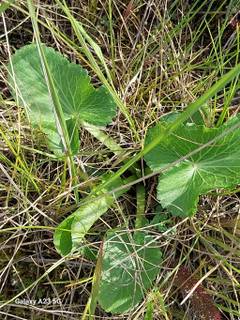
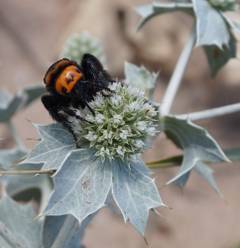
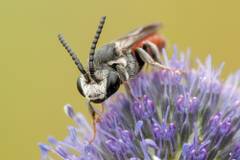
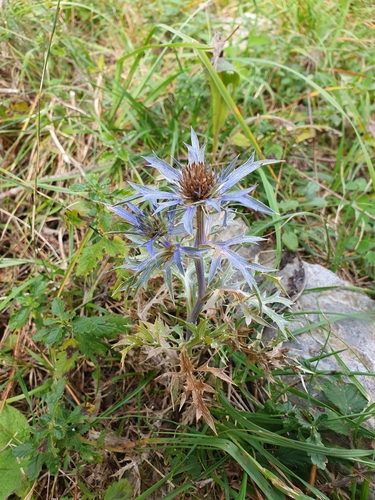
Eryngium amethystinum is an upright, clumping, herbaceous perennial reaching 18–24 inches (45–60 cm) tall with a spread of 12–18 inches (30–45 cm). This Mediterranean species produces numerous small, round to ovoid, amethyst-blue to steel-blue flower heads 0.5–0.75 inch (1–2 cm) across, each surrounded by a stiff, spiny, silvery-blue bract collar, borne on highly branched, metallic blue stems in July–August. The overall effect is a mass of small blue heads on a candelabra-like branching framework—more numerous but much smaller heads than E. alpinum. The basal leaves are deeply pinnately divided into spiny lobes, 4–8 inches (10–20 cm) long, leathery, dark green. The entire upper plant—stems, bracts, and heads—turns intensely blue-violet. Growth rate is moderate. Deep taproot. Self-seeds in well-drained soils. Hardy to zone 5.
Native Range
Eryngium amethystinum is native to the Mediterranean region (Italy, Balkans, Greece, Turkey), in dry rocky slopes, garigue, and stony grasslands on calcareous soils.Suggested Uses
Planted in perennial borders, gravel gardens, and Mediterranean-style plantings at 12–18 inch (30–45 cm) spacing. The mass of small blue heads on branching blue stems creates a different effect from the single large heads of E. alpinum—more airy and cloud-like. Functions in dried flower arrangements. Pair with Achillea, Perovskia, Stipa, and other Mediterranean perennials. Not suitable for shade, wet soils, or rich conditions.How to Identify
Appearance
Size & Dimensions
Height1'6" - 2'
Width/Spread1' - 1'6"
Bloom Information
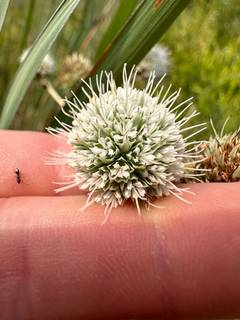
Numerous small, round to ovoid, amethyst-blue to steel-blue flower heads 0.5–0.75 inch (1–2 cm) across with stiff, silvery-blue spiny bracts on highly branched metallic blue stems in July–August. Bloom duration is 4–6 weeks. Dried heads persist into winter.
Detailed Descriptions
Flower Description
Amethyst-blue to steel-blue, numerous small heads with spiny bractsFoliage Description
Dark green, deeply pinnately divided, spiny-lobed basal; metallic blue upper stemsGrowing Conditions
Sun Requirements
Requires 6-10 hours of direct sunlight daily
• Full Sun: 6+ hours of direct sunlight
• Partial Shade: 3-6 hours of direct sunlight
• Full Shade: Less than 3 hours of direct sunlight
Care & Maintenance
Care Guide
Plant in full sun in well-drained, lean, calcareous soil. Deep taproot—resents transplanting. Hardy to zone 5. Self-seeds in well-drained soils—deadhead to prevent if unwanted. Lean soils produce the most intense blue coloring and the sturdiest stems. No serious pest or disease problems. Crown rot in wet winter soils.Pruning
Remove spent stems in late fall or leave for winter seed head interest. Cut back all dead foliage to the ground in early spring. Deadhead to prevent self-seeding if desired.Pruning Schedule
Prune: March & October
fallearly spring