Image 1 of 19
1 / 19
Plant Reference
Eryngium, Genus, hybrids, Species,
- Genus & species
sea holly
Hybrid of garden origin; parent species from Europe and the Mediterranean
Overview
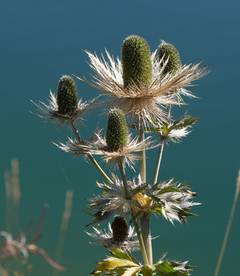
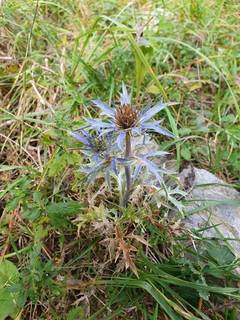
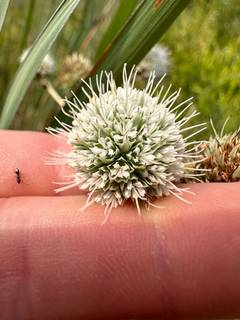
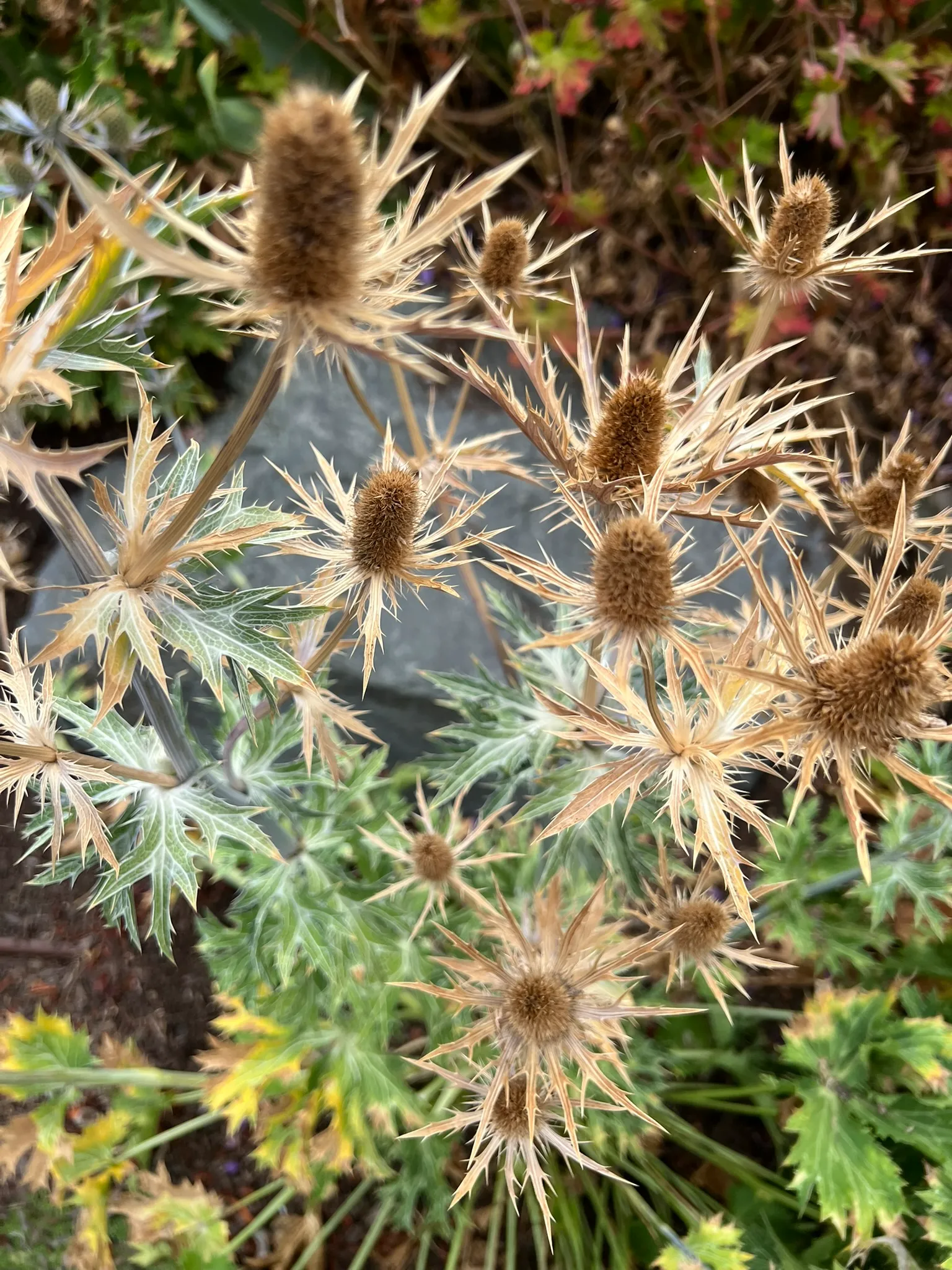
Eryngium hybrids are sea hollies, perennial plants growing 18-36 inches (45-90 cm) tall and 18-24 inches (45-60 cm) wide. Cone-shaped thistle-like steel blue to violet-blue flower heads 1-2 inches (2.5-5 cm) surrounded by spiny bracts in midsummer to early fall (July-September) — the metallic blue coloring extends from the flower heads down the stems and bracts. Green spiny-margined basal foliage. In the carrot family (Apiaceae) — despite the thistle-like appearance, not related to true thistles (Cirsium, Asteraceae). The genus Eryngium contains approximately 250 species worldwide. Commonly cultivated hybrids: 'Big Blue' (large heads, 30 inches / 75 cm), 'Sapphire Blue' (deep blue, compact), E. × zabelii 'Jos Eijking' (violet-blue, 24 inches / 60 cm). The dried flower heads persist through fall and winter. Deep taproot: do not transplant once established. Lean poor well-drained soil produces the most vivid blue coloring — rich moist soil reduces the metallic blue and produces green floppy growth. Tolerates alkaline and chalky soil (pH to 8.0). Non-toxic. Deer-resistant (spiny). Drought-tolerant once established. Full sun. Zones 4-9. This entry represents the hybrid group. Growth rate is moderate.
Native Range
Hybrid of garden origin. Parent species native to Europe and the Mediterranean.Suggested Uses
Commonly planted in gravel gardens, dry borders, and mixed borders in zones 4-9. The metallic blue flower heads and the dried winter structure provide two-season interest. Lean soil for blue coloring. Non-toxic. Deer-resistant. This entry represents the hybrid group.How to Identify
Appearance
Size & Dimensions
Height1'6" - 3'
Width/Spread1'6" - 2'
Bloom Information
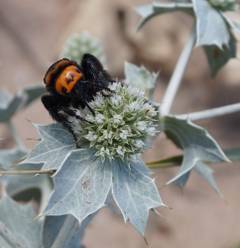
Midsummer to early fall (July-September), lasting 6-8 weeks. Steel blue to violet-blue cone-shaped flower heads with spiny bracts. Dried heads persist through winter. Pollinator nectar source.
Detailed Descriptions
Flower Description
Steel blue to violet-blue, cone-shaped thistle-like flower heads 1-2 inches (2.5-5 cm) surrounded by spiny bractsFoliage Description
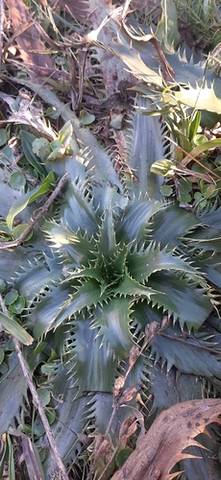
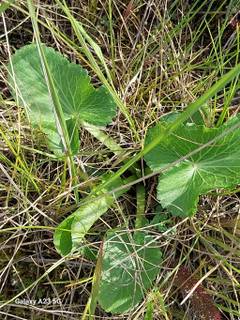
Green with spiny margins (basal); stems and upper bracts develop metallic steel-blue to violet-blue coloring in flowerGrowing Conditions
Sun Requirements
Requires 6-10 hours of direct sunlight daily
• Full Sun: 6+ hours of direct sunlight
• Partial Shade: 3-6 hours of direct sunlight
• Full Shade: Less than 3 hours of direct sunlight
Care & Maintenance
Care Guide
Full sun. Lean poor well-drained soil for vivid blue — rich soil reduces the coloring. Tolerates alkaline and chalky soil (pH to 8.0). Deep taproot — do not transplant. Leave dried heads for winter structure. Cut to ground in early spring. Non-toxic. Deer-resistant (spiny). Drought-tolerant. Zones 4-9.Pruning
Cut all stems to the ground in early spring (March) before new growth. Do not deadhead during the season — the dried flower heads are an ornamental feature. Do not transplant (deep taproot).Pruning Schedule
Prune: March
early spring