Eryngium, Genus, alpinum, Species,
- Genus & species
alpine sea holly
Alps and SE Europe (France to Slovenia; alpine meadows, 3,000-7,000 ft)
Overview
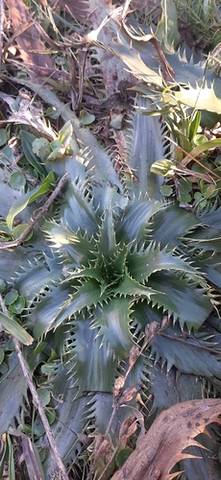
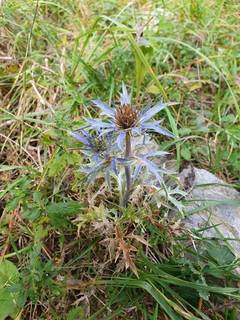
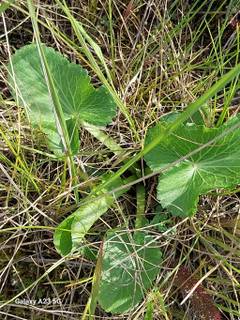
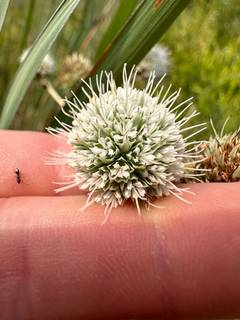
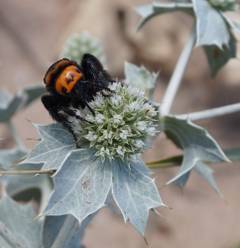
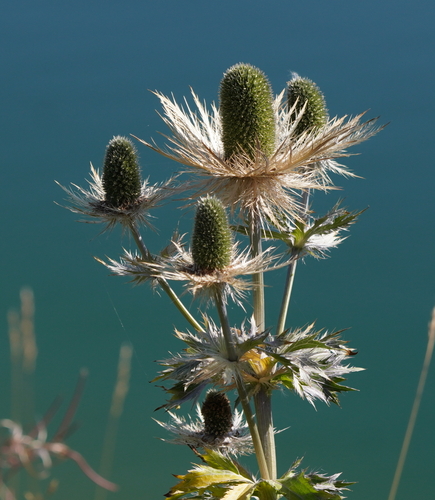
Eryngium alpinum is an upright, clumping, herbaceous perennial reaching 24–36 inches (60–90 cm) tall with a spread of 18–24 inches (45–60 cm). This European alpine species produces the largest, most elaborately fringed flower heads of any sea holly. The flower heads are steel-blue to violet-blue, cylindrical to conical, 1.5–2 inches (4–5 cm) long, surrounded by a wide collar of deeply cut, feathery, soft bracts 2–3 inches (5–8 cm) across—the bracts are finely divided into hair-like segments, creating an intricate, lacy ruff unlike the stiff, spiny bracts of other species. The entire inflorescence including stems turns steel-blue to violet-blue in July–August. The basal leaves are heart-shaped, 4–6 inches (10–15 cm) long, with serrated margins—not spiny. The upper stem leaves become progressively more divided and blue-tinted. Growth rate is moderate. Deep taproot. Hardy to zone 4.
Native Range
Eryngium alpinum is native to the Alps and mountains of southeastern Europe (France, Switzerland, Austria, Italy, Slovenia, former Yugoslavia), in alpine meadows and subalpine grasslands at 3,000–7,000 feet (900–2,100 m). Protected in many European countries due to overcollection.Suggested Uses
Planted in perennial borders, gravel gardens, and meadow plantings at 18–24 inch (45–60 cm) spacing. The feathery blue flower heads are the largest and most elaborately fringed of any sea holly. Functions in dried flower arrangements—cut when fully blue. Pair with ornamental grasses, Perovskia, Echinops, and Achillea for a blue-and-yellow summer border. The deep taproot makes this drought-tolerant but difficult to move. Not suitable for shade, wet soils, or rich conditions that cause flopping.How to Identify
Appearance
Size & Dimensions
Height2' - 3'
Width/Spread1'6" - 2'
Bloom Information
Cylindrical to conical, steel-blue to violet-blue flower heads 1.5–2 inches (4–5 cm) long surrounded by feathery, finely divided blue bracts 2–3 inches (5–8 cm) across in July–August. The entire inflorescence and upper stems turn blue. Bloom duration is 4–6 weeks. Dried seed heads persist into winter.
Detailed Descriptions
Flower Description
Steel-blue to violet-blue with feathery, finely divided blue bractsFoliage Description
Green basal leaves, heart-shaped; upper stems and bracts turn steel-blueGrowing Conditions
Sun Requirements
Requires 6-10 hours of direct sunlight daily
• Full Sun: 6+ hours of direct sunlight
• Partial Shade: 3-6 hours of direct sunlight
• Full Shade: Less than 3 hours of direct sunlight
Care & Maintenance
Care Guide
Plant in full sun in well-drained, lean to moderately fertile soil. Deep taproot—resents transplanting once established. Hardy to zone 4. Does not require staking in lean soils—rich soils may produce taller, floppy stems. No serious pest or disease problems. Crown rot in wet winter soils.Pruning
Remove spent flower stems in late fall or leave for winter seed head interest. Cut back all dead foliage to the ground in early spring.Pruning Schedule
Prune: March & October
fallearly spring