Centaurea, Genus, montana, Species,
- Genus & species
perennial cornflower
Mountains of central and southern Europe
Overview
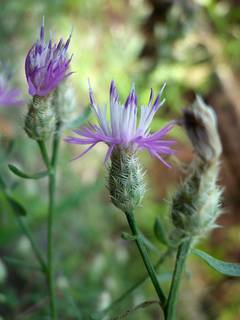
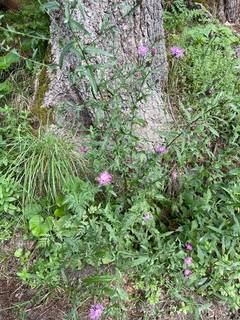
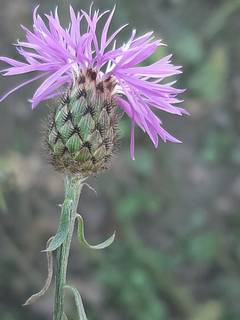
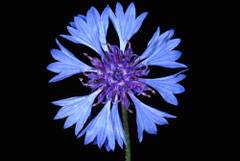
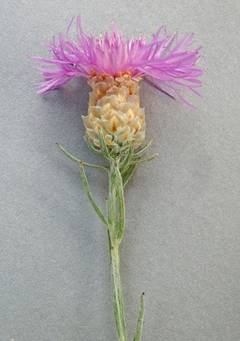
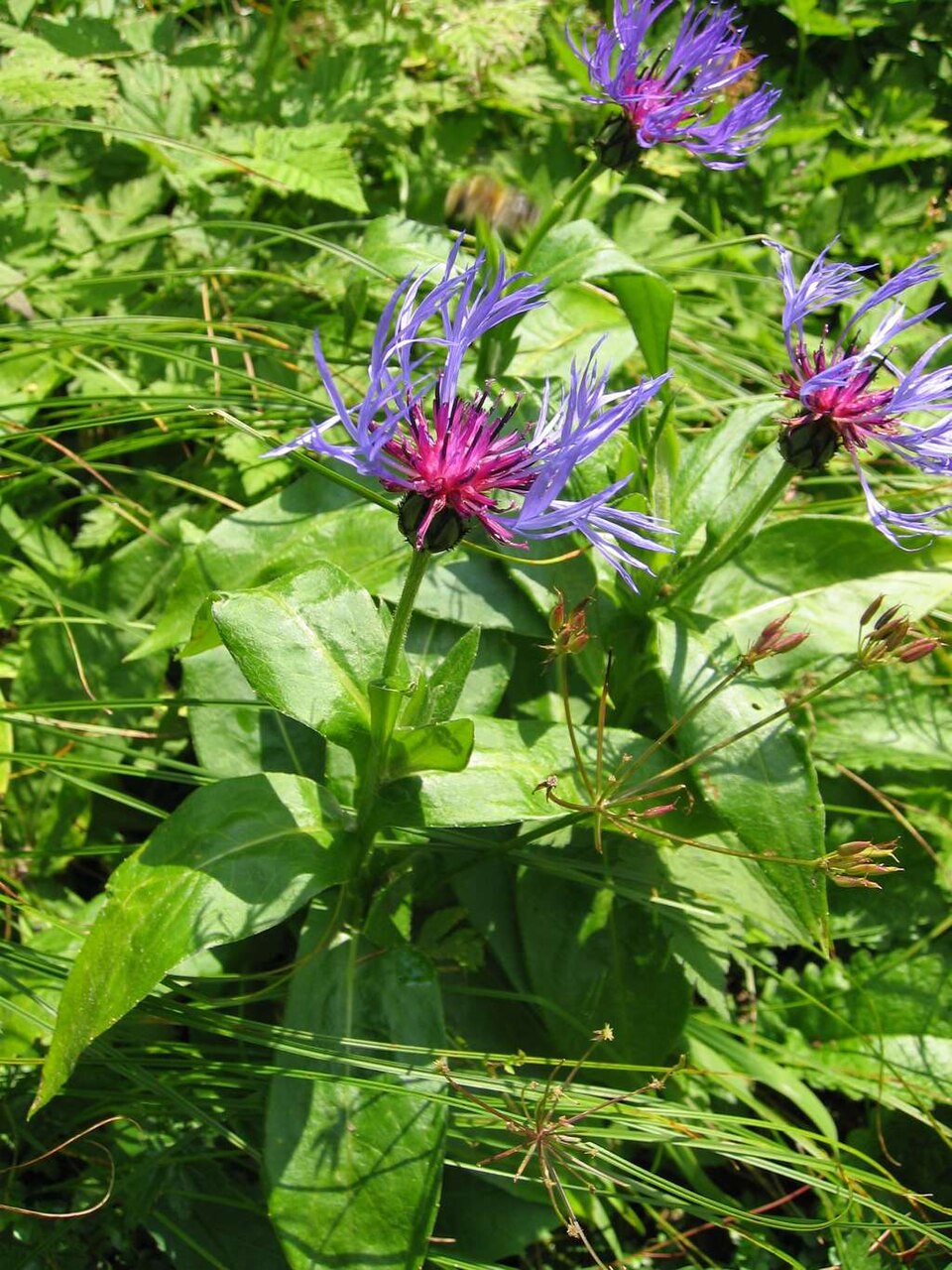
Centaurea montana is a clump-forming herbaceous perennial of the daisy family, reaching 16-24 inches (40-60 cm) tall and spreading by underground rhizomes to form colonies 18-24 inches (45-60 cm) wide. The lance-shaped leaves are 4-7 inches (10-18 cm) long, grey-green, and covered in soft down that gives them a silvery cast. From late spring it carries solitary flowerheads 2-3 inches (5-8 cm) across, each with an outer ring of deeply cut, spidery blue ray florets surrounding a reddish-violet center. Flowering runs from May to July, with a lighter second flush in late summer where stems are cut back. The bracts beneath each flowerhead have dark, fringed margins. Native to the mountain meadows and open woodland of central and southern Europe, including the Pyrenees, Alps, and Balkans, it grows on neutral to alkaline soils in sun or light shade. The creeping rhizomes spread steadily and can push into neighbouring plantings, and it self-seeds freely, naturalizing outside gardens in parts of North America and northern Europe. Foliage can become tattered and mildew-marked after flowering.
Native Range
Centaurea montana is native to the mountains of central and southern Europe, including the Pyrenees, Alps, Vosges, and Balkan ranges. It has naturalized beyond its native range in northern Europe and parts of North America.Suggested Uses
Used in cottage borders, wildlife plantings, and naturalized grassland, where the early flowers draw bees and butterflies. Its spreading habit suits informal areas more than tightly planted borders.How to Identify
Appearance
Size & Dimensions
Height1'4" - 2'
Width/Spread1'6" - 2'
Colors
Bloom Information
The main flush runs from May to July, with scattered later flowers into September where plants are cut back after the first bloom. Each flowerhead lasts about a week, opening blue from a dark bud. Cutting spent stems to the base prompts the second flush and limits self-seeding.
Detailed Descriptions
Flower Description
blue with reddish-violet centerFoliage Description
grey-greenGrowing Conditions
Sun Requirements
Requires 6-10 hours of direct sunlight daily
• Full Sun: 6+ hours of direct sunlight
• Partial Shade: 3-6 hours of direct sunlight
• Full Shade: Less than 3 hours of direct sunlight
Care & Maintenance
Care Guide
Grows in full sun to part shade on most well-drained soils, including dry and chalky ground, and tolerates a pH from 6.0 to 8.0. It needs little feeding and flowers most freely in an open, sunny position. The rhizomes spread steadily, so plants are often lifted and divided every two to three years to control their spread and renew vigour. Stems can flop in rich soil or shade and can be cut back hard after the first flush to produce fresh foliage and more flowers. Powdery mildew can mark the leaves in dry late summers. It is hardy to USDA zone 3.Pruning
Flowered stems are cut back to the base after the first flush to prompt fresh leaves and a second bloom. Faded flowerheads are removed before they set seed to limit self-sowing. Congested clumps are divided in autumn or early spring.Pruning Schedule
summer
Container Growing
Suitable for container growing
Minimum container size: 2 gallons