Centaurea, Genus, cyanus, Species,
- Genus & species
cornflower
Europe and the eastern Mediterranean
SunFull Sun
Overview
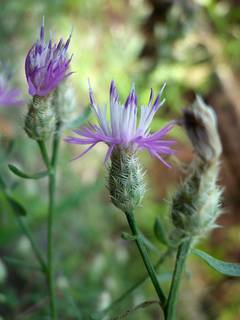
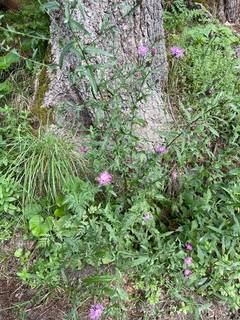
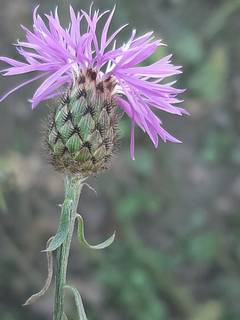
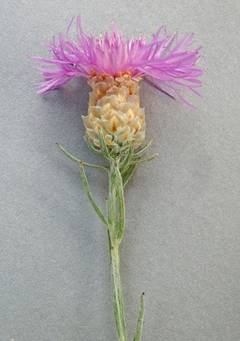
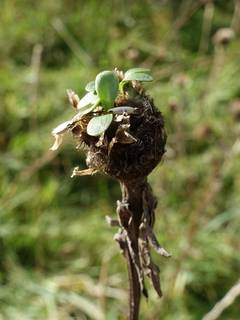
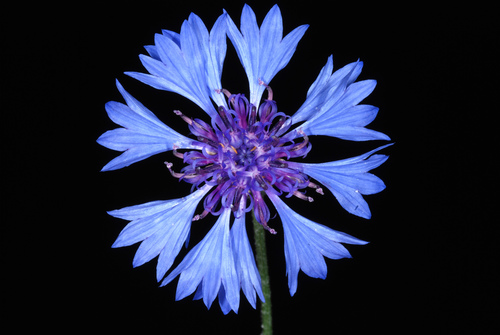
Centaurea cyanus is an upright annual growing 16-36 inches (40-90 cm) tall on slender, branching, gray-green stems with a loose, open habit. The narrow, lance-shaped leaves are 1-4 inches (2.5-10 cm) long, gray-green, and covered in soft woolly hairs, the lowest sometimes lobed. Flower heads about 1-1.5 inches (2.5-4 cm) across appear from late spring through summer, the typical form an intense blue, with selected strains in pink, purple, white, and maroon. The outer florets are enlarged and deeply fringed, ringing a tighter central cluster. Plants flower within 10-12 weeks of sowing and continue if spent heads are removed. The fruit is a small seed with a short tuft of bristles. Once a common weed of grain fields, it has declined in farmland but is widely grown from seed in gardens and meadow mixes. Stems are thin and can flop in wind or rain without support. Plants die after setting seed at the end of the season.
Native Range
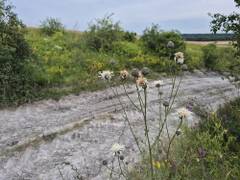
Native to Europe and the eastern Mediterranean, formerly widespread as a weed of cereal fields. Now grown worldwide as a garden annual and naturalized in temperate regions including North America, where it appears on roadsides and disturbed ground.Suggested Uses
Used in cottage gardens, annual borders, cutting gardens, and wildflower and pollinator meadow mixes, spaced 6-9 inches (15-23 cm) apart. The flowers are cut fresh or dried, and hold their blue color when dried. Self-seeds in open ground and returns from year to year in informal plantings.How to Identify
Appearance
Size & Dimensions
Height1'4" - 3'
Width/Spread6" - 1'
Colors
Foliage Colors
Bloom Information
Flowers from late spring through summer, beginning about 10-12 weeks after sowing. Removing spent heads extends bloom over 8-10 weeks. Spring-sown plants flower in summer, while autumn-sown plants in mild climates bloom earlier the following spring.
Detailed Descriptions
Flower Description
blue, also pink, purple, white, or maroonFoliage Description
gray-greenGrowing Conditions
Sun Requirements
Requires 6-10 hours of direct sunlight daily
• Full Sun: 6+ hours of direct sunlight
• Partial Shade: 3-6 hours of direct sunlight
• Full Shade: Less than 3 hours of direct sunlight
Water & Climate
Water Needs
Drought Tolerance
Drought tolerant when established
Care & Maintenance
Care Guide
Grows in full sun in average, well-drained, neutral to alkaline soil. Water during dry spells, though established plants tolerate short droughts. Sow seed directly in the spot where plants are to grow in spring, or in autumn in mild-winter areas for earlier bloom. Thin seedlings to 6-9 inches (15-23 cm) apart so air moves freely and stems support each other. Deadhead through the season to prolong flowering and limit self-seeding. Powdery mildew can appear on leaves in late summer, and aphids gather on stems and buds.Pruning
Deadhead spent flower heads through the season to extend bloom and reduce self-seeding. Cut plants back if they become straggly to encourage fresh growth and more flowers. Pull out plants after they finish flowering and set seed.Container Growing
Suitable for container growing
Minimum container size: 2 gallons
Toxicity
Non-toxicPlanting Guide
Planting Methods & Timing
Planting Method
direct sow
Days to Maturity
65–80 days
Plant Spacing
8 inches