Centaurea, Genus, ×, Hybrid, moncktonii, Species,
- Genus & species
- Hybrid
Monckton's knapweed
Overview
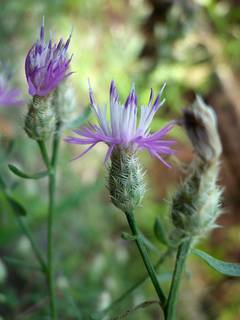
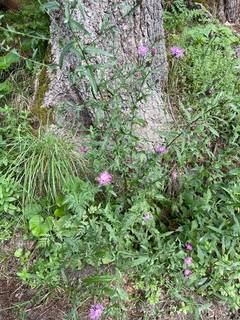
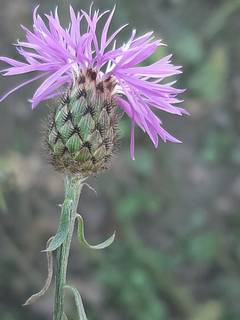
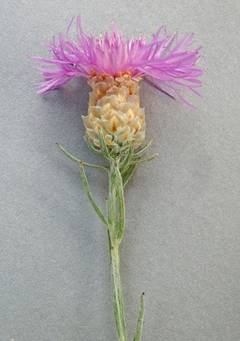
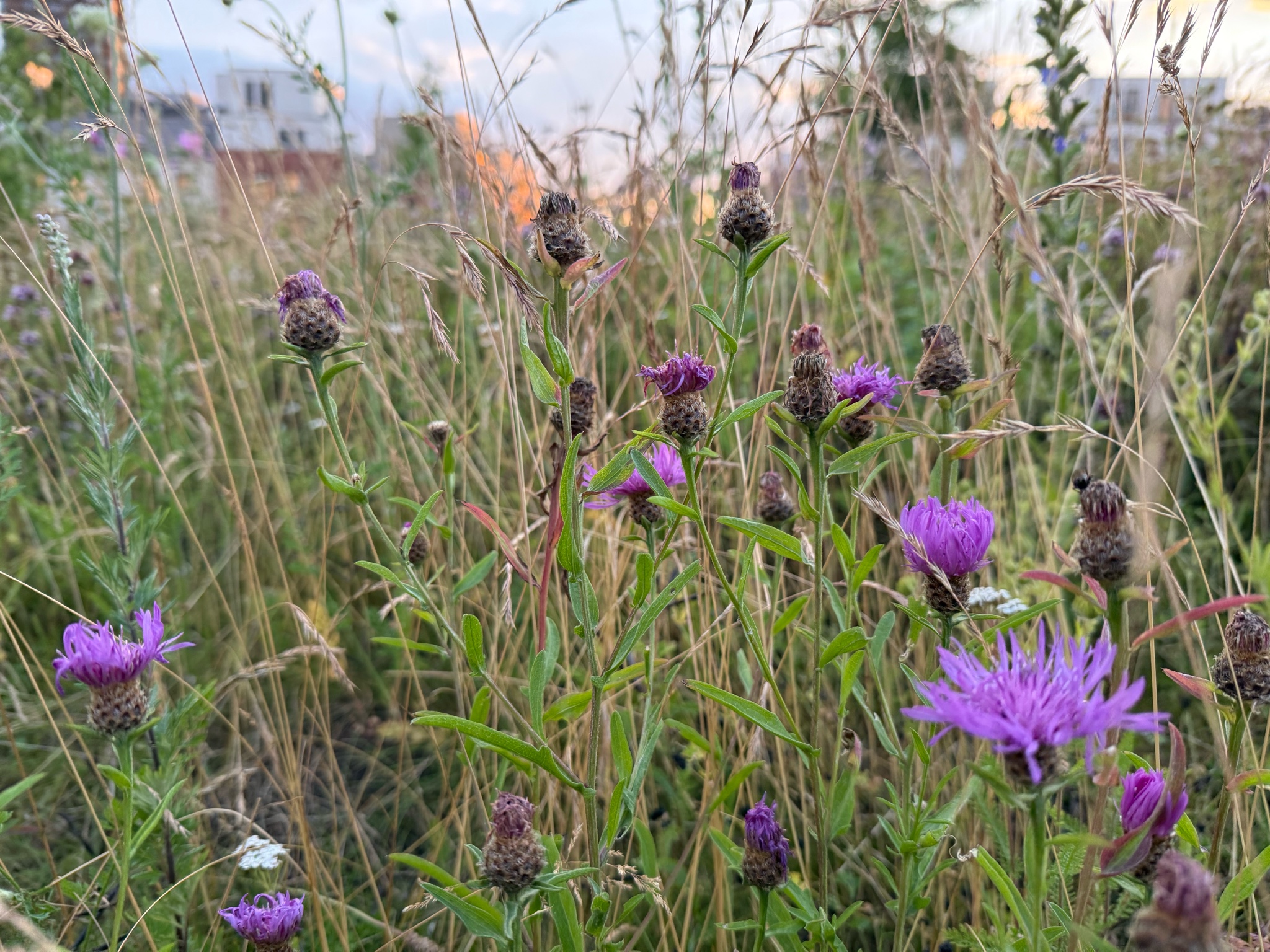
Centaurea × moncktonii, meadow knapweed, is a herbaceous perennial of hybrid origin between brown knapweed C. jacea and black knapweed C. nigra. It forms a basal rosette and upright, branched stems 1.5–4 feet (45–120 cm) tall, growing from a stout taproot and woody crown. The stem leaves are lance-shaped, 2–6 inches (5–15 cm) long, with smooth or slightly toothed margins and a rough surface. From June to September it produces thistle-like flower heads about 0.75–1 inch (2–2.5 cm) across, with pink to red-purple florets above a rounded base of light to dark brown papery bracts. Each head sets numerous seeds that disperse widely. The plant grows in full sun on moist to moderately dry soils in meadows, pastures, roadsides, and riverbanks. It spreads readily by seed and resprouts from the crown, and Centaurea × moncktonii is listed as a noxious or invasive weed in Washington, Oregon, and other parts of North America, where it crowds out pasture and native grassland species. It tolerates mowing and regrows from the base.
Native Range
Centaurea × moncktonii is of European hybrid origin, derived from C. jacea and C. nigra, both native to Europe. It has become naturalized and invasive in temperate North America, including the Pacific Northwest and parts of Canada.Suggested Uses
In its native European range, meadow knapweed occurs in grassland and supplies nectar for bees and butterflies. In North America its use in plantings is restricted because of its invasive spread, and control rather than cultivation is the usual aim. Seed heads are eaten by some finches.How to Identify
Appearance
Size & Dimensions
Height1'6" - 4'
Width/Spread1' - 2'
Bloom Information
Flower heads open from June through September, with peak bloom in midsummer. Plants flower in the first or second year and continue for several seasons. Seed ripens a few weeks after each head opens and scatters from late summer onward.
Detailed Descriptions
Flower Description
pink to red-purpleFoliage Description
greenGrowing Conditions
Sun Requirements
Requires 6-12 hours of direct sunlight daily
• Full Sun: 6+ hours of direct sunlight
• Partial Shade: 3-6 hours of direct sunlight
• Full Shade: Less than 3 hours of direct sunlight
Care & Maintenance
Care Guide
The plant grows in full sun on a wide range of soils from moist meadows to drier roadside ground, tolerating both clay and gravel. It needs no supplemental water or feeding once established and withstands drought, mowing, and grazing. Because it spreads aggressively by seed and resprouts from the crown, dense stands form quickly in pasture and disturbed ground. Cutting before seed set and repeated removal of the crown reduce its spread. In many regions Centaurea × moncktonii is regulated as a noxious weed, and planting is restricted. It is hardy through USDA zone 4.Pruning
Cutting or mowing before flower heads set seed limits reproduction, though plants regrow from the crown. Repeated close cutting through the season gradually weakens the taproot. Digging out the crown and taproot removes individual plants.Pruning Schedule
Prune: June–July
summer