Ceanothus, Genus, integerrimus, Species,
- Genus & species
deerbrush ceanothus
Western United States and northern Mexico
Overview
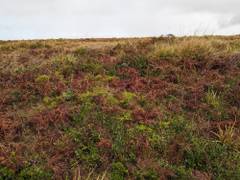
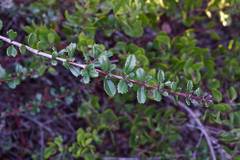
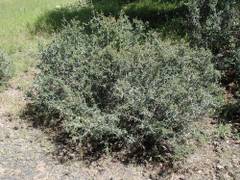
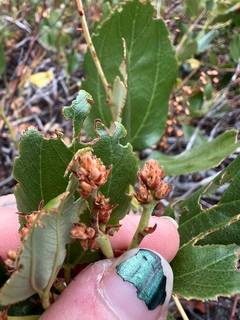
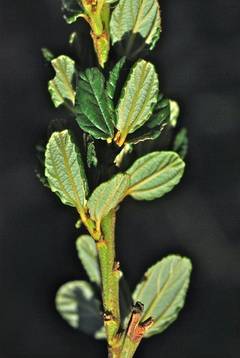
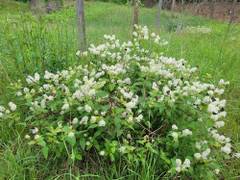
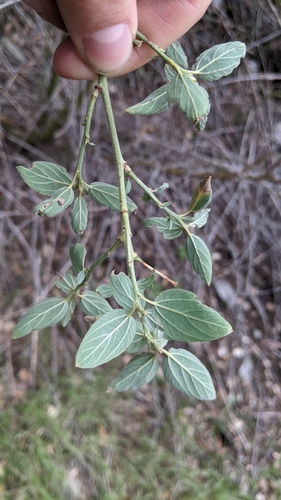
Ceanothus integerrimus is a loosely branched deciduous shrub reaching 3-12 feet (0.9-3.7 m) tall and 4-8 feet (1.2-2.4 m) wide, with arching pale green to tan stems. Leaves are alternate, thin, broadly elliptic, 1-3 inches (2.5-8 cm) long, with three main veins from the base and smooth or finely toothed margins, dropping in fall or in summer drought. Small fragrant flowers in white, pale blue, or lavender are packed into branched clusters 3-6 inches (8-15 cm) long from late spring into summer, followed by sticky three-lobed seed capsules that dry and split to eject seed. Roots carry nitrogen-fixing nodules that let the shrub grow on poor soils. Growth is fast, with plants reaching full size in 3-5 years, but individual plants are relatively short-lived at 10-25 years. It sprouts and seeds heavily after fire, forming dense stands that thin as the forest canopy returns. Twigs and foliage are browsed by deer and livestock, which can limit its spread.
Native Range
Native to the western United States and northern Mexico, from Washington south through California to Baja California and east to Arizona and New Mexico. Grows on dry slopes, ridges, and openings in mixed-conifer and oak woodland at 1,000-7,000 feet (300-2,100 m), often appearing after fire or logging.Suggested Uses
Planted in native, wildlife, and erosion-control plantings on dry slopes and in fire-recovery and restoration projects, spaced 5-8 feet (1.5-2.4 m) apart. The flowers draw native bees and butterflies, and the foliage is a browse food for deer. Its short life and dislike of summer water make it less suited to irrigated ornamental beds.How to Identify
Appearance
Size & Dimensions
Height3' - 12'
Width/Spread4' - 8'
Bloom Information
Detailed Descriptions
Flower Description
white to blueFoliage Description
greenGrowing Conditions
Sun Requirements
Requires 6-12 hours of direct sunlight daily
• Full Sun: 6+ hours of direct sunlight
• Partial Shade: 3-6 hours of direct sunlight
• Full Shade: Less than 3 hours of direct sunlight
Care & Maintenance
Care Guide
Grows in full sun to light shade on dry, sharp-draining soils and tolerates low fertility through its nitrogen-fixing roots. It is grown from seed treated with heat or scarification to break dormancy, mimicking the effect of fire. Established plants need no summer water and are prone to root rot in irrigated or heavy soils. The species is short-lived, often declining after 10-25 years, and is not easily transplanted because of its deep roots. Aphids and scale may appear but rarely cause lasting harm. Heavy deer browsing keeps plants low in some areas.Pruning
Prune lightly after flowering to shape the open framework and remove dead or broken stems. The shrub tolerates moderate cutting back but does not regenerate well from hard pruning into old wood. Browsing or shearing produces denser, lower growth.Pruning Schedule
Prune: July
summer