Image 1 of 8
1 / 8
Plant Reference
Ceanothus, Genus, 'Victoria', Cultivar,
- Genus
- Cultivar
victoria ceanothus
Hybrid cultivar of garden origin — parent species from coastal California
Overview
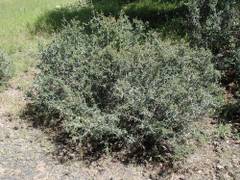
Ceanothus 'Victoria' is Victoria California lilac (Victoria ceanothus), an upright evergreen shrub growing 5-7 feet (1.5-2.1 m) tall and 6-8 feet (1.8-2.4 m) wide. Deep cobalt-blue flowers in dense terminal panicles 2-4 inches (5-10 cm) in April-May (4 weeks). Small glossy dark green ovate leaves 0.5-1 inch (1.3-2.5 cm) with 3 veins from the base. In Rhamnaceae. A hybrid cultivar of uncertain parentage — likely derived from C. thyrsiflorus or related coastal California species. Nitrogen-fixing (actinorhizal symbiosis with Frankia bacteria). Short-lived — typically 10-15 years before decline. This limited lifespan is the primary limitation. Do not irrigate in summer once established — summer water promotes fatal root rot (Phytophthora). Sharp drainage required — root rot in clay or poorly drained sites. Do not prune into old bare wood (does not regenerate). Hardy to about 10°F (-12°C). Drought-tolerant once established. Deer-resistant. Non-toxic. Zones 7-10. Full sun. Growth rate is fast.
Native Range
Hybrid cultivar of garden origin — parent species from coastal California.Suggested Uses
Grown as an evergreen screen, hedge, or specimen in Mediterranean-climate gardens, spaced 6-8 feet (1.8-2.4 m). Summer-dry. Sharp drainage. Nitrogen-fixing. Short-lived. Non-toxic. Zones 7-10.How to Identify
Appearance
Size & Dimensions
Height5' - 7'
Width/Spread6' - 8'
Bloom Information
Mid to late spring (April-May). Deep cobalt-blue flowers in dense terminal panicles 2-4 inches (5-10 cm). 4 weeks. Bee- and butterfly-visited.
Detailed Descriptions
Flower Description
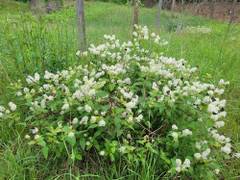
Deep cobalt-blue, tiny individual flowers in dense terminal panicles 2-4 inches (5-10 cm); the massed panicles create a solid blue canopy during peak bloomFoliage Description
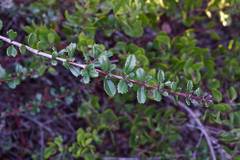
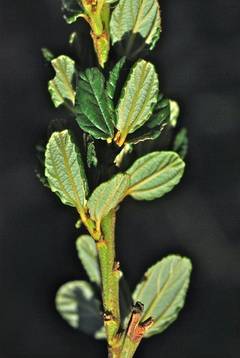
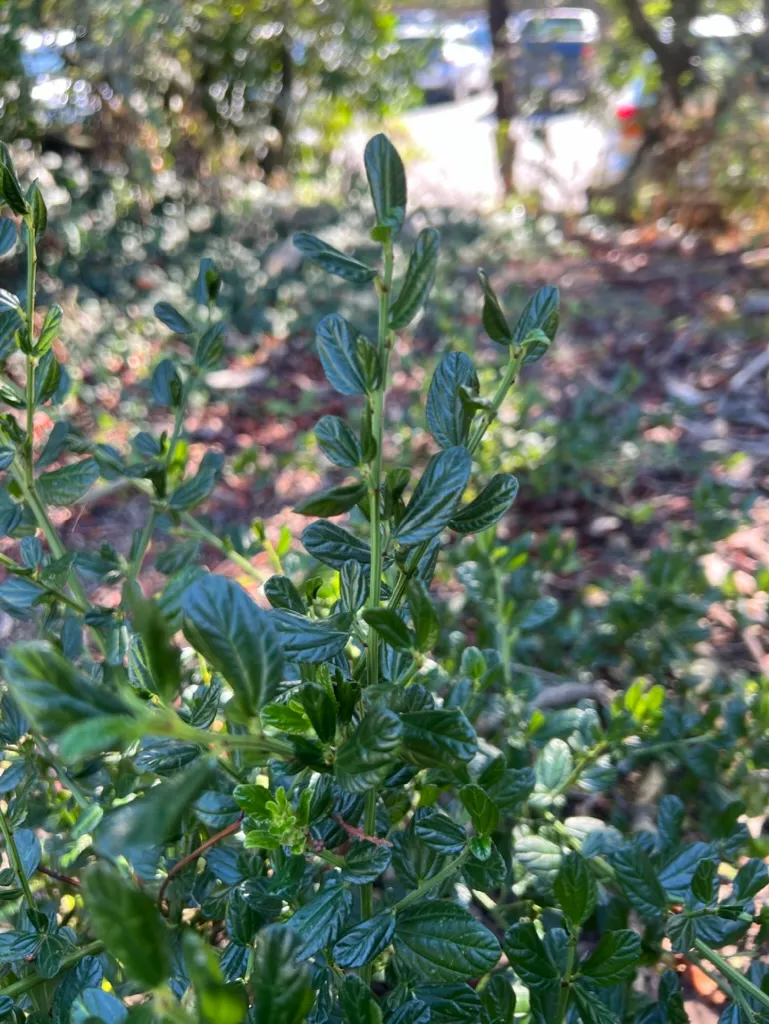
Glossy dark green, small, ovate, 0.5-1 inch (1.3-2.5 cm), with 3 prominent veins from the base; evergreen year-roundGrowing Conditions
Sun Requirements
Requires 6-8 hours of direct sunlight daily
• Full Sun: 6+ hours of direct sunlight
• Partial Shade: 3-6 hours of direct sunlight
• Full Shade: Less than 3 hours of direct sunlight
Care & Maintenance
Care Guide
Full sun (6-8 hours). Well-drained soil pH 6.0-8.0. Do not irrigate in summer once established — summer water promotes root rot. Sharp drainage required. Do not prune into old bare wood. Short-lived (10-15 years). Nitrogen-fixing. Deer-resistant. Non-toxic. Zones 7-10.Pruning
Prune lightly after flowering (May) to shape. Do not cut into old leafless wood — Ceanothus does not regenerate from bare wood. Remove dead or crossing branches only.Pruning Schedule
Prune: May
late spring