Image 1 of 15
1 / 15
Plant Reference
Ceanothus, Genus, gloriosus, Species,
- Genus & species
Point Reyes ceanothus
Coastal Marin County, California — Point Reyes National Seashore and nearby headlands; coastal bluffs, sandy flats, and open pine forests exposed to Pacific fog and wind
Overview
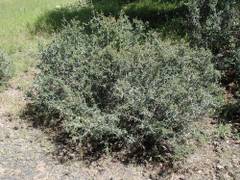
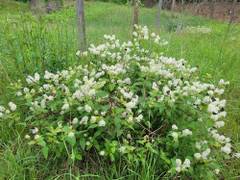
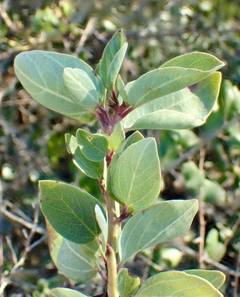
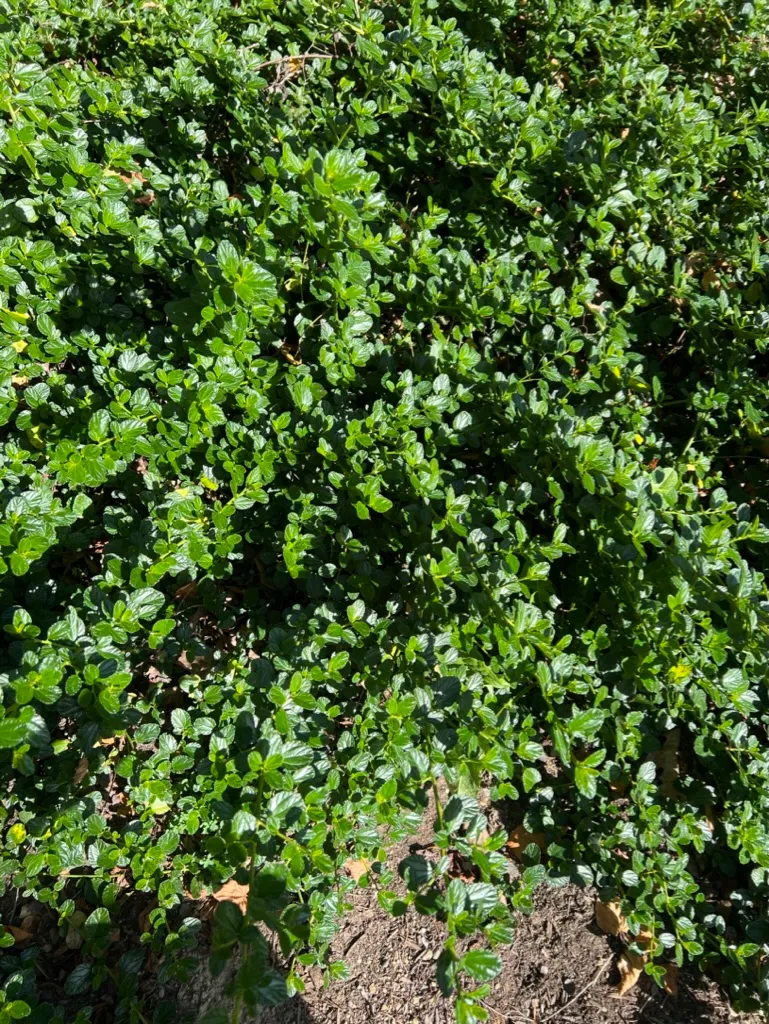
Ceanothus gloriosus is Point Reyes ceanothus (Point Reyes creeper), a prostrate spreading evergreen shrub growing 6-18 inches (15-45 cm) tall and 4-8 feet (1.2-2.4 m) wide. Blue to violet-blue flowers in dense rounded clusters 1-2 inches (2.5-5 cm) at branch tips in March-April (4 weeks). Small glossy dark green leathery leaves 0.5-1 inch (1.3-2.5 cm) with spiny-toothed holly-like margins. In Rhamnaceae. Gloriosus = glorious. Endemic to coastal Marin County, California — Point Reyes National Seashore. One of the lowest-growing Ceanothus species — a prostrate ground-cover form. Nitrogen-fixing (actinorhizal with Frankia). Short-lived (8-15 years) — this limited lifespan is the primary limitation. Do not irrigate in summer once established — summer water promotes fatal root rot (Phytophthora). Sharp drainage required. Do not prune into old bare wood. The spiny-toothed holly-like margins distinguish C. gloriosus from smooth-leaved species. Hardy to about 15°F (-9°C). Drought-tolerant. Deer-resistant. Non-toxic. Zones 7-10. Full sun. Growth rate is moderate.
Native Range
Endemic to coastal Marin County, California — Point Reyes National Seashore and nearby headlands. Found on coastal bluffs, sandy flats, and open pine forests exposed to Pacific fog and wind.Suggested Uses
Grown as an evergreen ground cover on slopes, coastal bluffs, and in Mediterranean-climate gardens, spaced 4-8 feet (1.2-2.4 m). Prostrate. Summer-dry. Sharp drainage. Native to Point Reyes. Non-toxic. Zones 7-10.How to Identify
Appearance
Size & Dimensions
Height6" - 1'6"
Width/Spread4' - 8'
Bloom Information
Early to mid spring (March-April). Blue to violet-blue flowers in dense rounded clusters 1-2 inches (2.5-5 cm). 4 weeks. Bee- and butterfly-visited.
Detailed Descriptions
Flower Description
Blue to violet-blue, tiny individual flowers in dense rounded clusters 1-2 inches (2.5-5 cm) at branch tipsFoliage Description
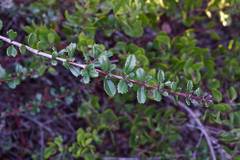
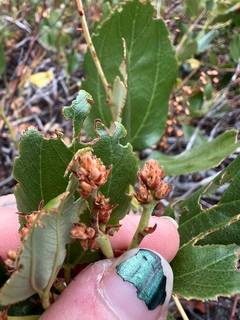
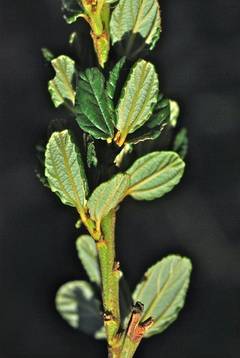
Glossy dark green, small, rounded to oval, 0.5-1 inch (1.3-2.5 cm), leathery, with spiny-toothed margins (holly-like); evergreen year-roundGrowing Conditions
Sun Requirements
Requires 6-8 hours of direct sunlight daily
• Full Sun: 6+ hours of direct sunlight
• Partial Shade: 3-6 hours of direct sunlight
• Full Shade: Less than 3 hours of direct sunlight
Care & Maintenance
Care Guide
Full sun (6-8 hours). Well-drained sandy or rocky soil pH 6.0-8.0. Do not irrigate in summer once established — root rot. Sharp drainage required. Do not prune into old bare wood. Short-lived (8-15 years). Nitrogen-fixing. Deer-resistant. Non-toxic. Zones 7-10.Pruning
Prune lightly after flowering (April-May) to shape. Do not cut into old bare wood — does not regenerate. Remove dead branches only.Pruning Schedule
Prune: April–May
late spring