Ceanothus, Genus, thyrsiflorus, Species,
- Genus & species
blue blossom
Coastal western North America from Oregon to California
Overview
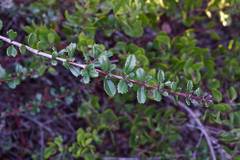
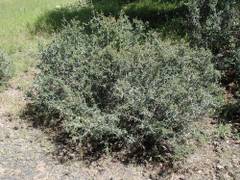
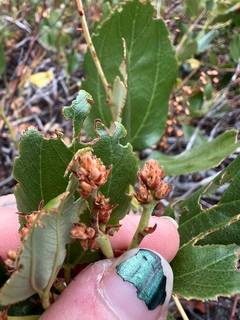
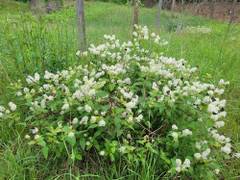
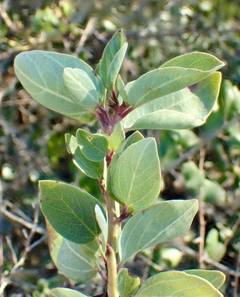
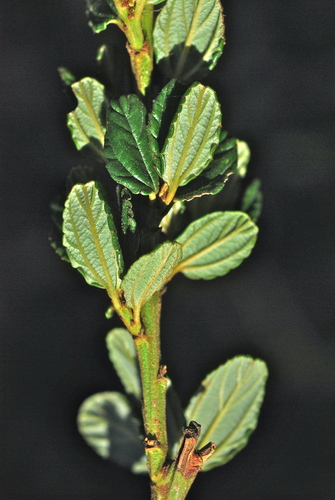
Ceanothus thyrsiflorus is an evergreen shrub or small tree reaching 6-20 feet (1.8-6 m) tall and 8-15 feet (2.4-4.5 m) wide, with mature specimens occasionally exceeding 30 feet (9 m). Branching dense; stems gray to red-brown. Leaves alternate, oblong to oval, 1-2 inches (2.5-5 cm) long, glossy dark green above with three prominent veins from the base, paler and finely hairy below. Flowers minute, 0.1 inch (2-3 mm) across, pale to deep blue, fragrant, packed into dense terminal panicles 2-3 inches (5-7.5 cm) long. Bloom occurs March through June, peaking in April-May. Seed capsules small, three-lobed, 0.1-0.2 inch (3-5 mm) across, explosively dehiscent. Plants reach 6-10 feet (1.8-3 m) within 3 years from a 1-gallon container. Cane lifespan 10-15 years; specimens often decline rapidly thereafter, dying within 1-2 seasons due to phytophthora root rot. Nitrogen-fixing through actinorhizal symbiosis with Frankia bacteria. Foliage damaged below 15°F (-9°C); plants top-killed below 5°F (-15°C). Susceptible to root rot from summer irrigation in heavy soils.
Native Range
Native to coastal western North America from southwestern Oregon south through the California Coast Ranges and San Francisco Bay Area to Santa Barbara County. Found in coastal scrub, chaparral, mixed evergreen forest margins, and coastal redwood understory at sea level to 2,000 feet (600 m) elevation. Most populations occur within 50 miles (80 km) of the Pacific coast.Suggested Uses
Used as a specimen, screen, or background shrub at 8-12 foot (2.4-3.7 m) spacing in coastal gardens of zones 8-10. Planted on slopes for erosion control and in habitat gardens for native bee forage. Cannot tolerate lawn irrigation or heavy summer watering; rarely planted within turf areas. Trained as a small tree against walls in larger gardens by removal of lower limbs over 3-4 years.How to Identify
Appearance
Size & Dimensions
Height6' - 20'
Width/Spread8' - 15'
Bloom Information
March through June across most of the range, with peak bloom in April-May. In coastal California from San Francisco northward, bloom begins as early as February in mild years. Individual flower clusters bloom for 2-3 weeks; total bloom on a single plant lasts 6-10 weeks. Hot dry springs can shorten bloom by 2-3 weeks.
Detailed Descriptions
Flower Description
Pale to deep blueFoliage Description
Glossy dark greenGrowing Conditions
Sun Requirements
Requires 6-12 hours of direct sunlight daily
• Full Sun: 6+ hours of direct sunlight
• Partial Shade: 3-6 hours of direct sunlight
• Full Shade: Less than 3 hours of direct sunlight
Care & Maintenance
Care Guide
Plants establish within one growing season from 1-gallon containers planted in fall or early winter to use winter rainfall. Mature plants require no supplemental water in coastal Mediterranean climates; specimens decline rapidly with summer irrigation in heavy soils due to phytophthora root rot. In zones 8-9 inland, deep watering once monthly during the first two summers improves establishment. Lifespan 10-15 years in cultivation, sometimes 20+ years in wild populations on lean soils. Does not transplant after establishment due to its taproot system.Pruning
Tip-prune in late spring after bloom to control shape and encourage branching; cuts larger than 1 inch (2.5 cm) often die back into older wood. Hard rejuvenation pruning is rarely successful and frequently kills mature plants. Removal of crossing branches in the first 2-3 years establishes the framework for tree-form specimens.Pruning Schedule
Prune: May–June
late spring
Container Growing
Minimum container size: 15 gallons