Ceanothus, Genus, velutinus, Species,
- Genus & species
snowbrush
Overview
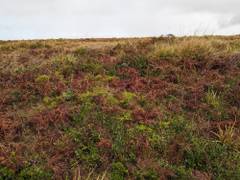
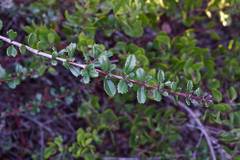
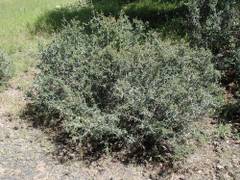
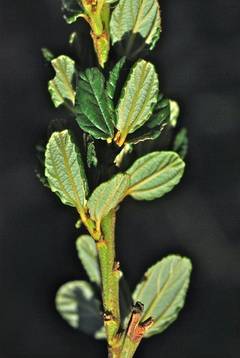
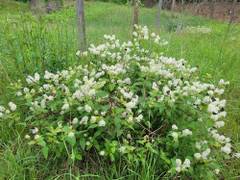
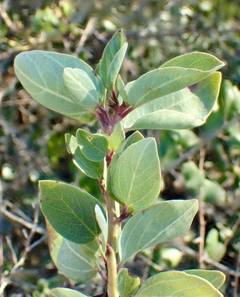
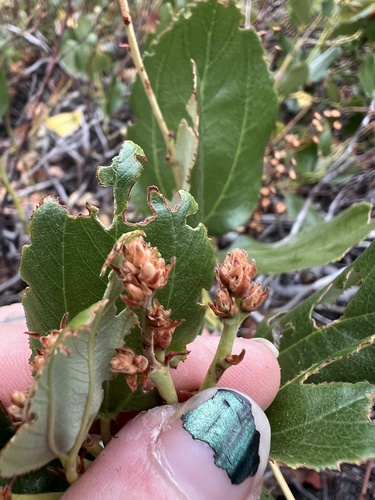
Ceanothus velutinus is a broadleaf evergreen shrub reaching 3-10 feet (90-300 cm) tall and 4-12 feet (1.2-3.6 m) wide at maturity, with a dense, mounding form. Leaves are alternate, broadly oval to elliptic, 1.5-3 inches (3.8-7.5 cm) long, leathery, dark glossy green above, paler and densely pubescent below, with three prominent veins from the base and finely toothed margins. Crushed leaves carry a cinnamon-balsam scent due to leaf oils. Dense panicles 2-5 inches (5-12.5 cm) long of small white flowers appear at branch tips from May through July; flowers are 0.1 inches (3 mm) across with a vanilla-like fragrance carried 20-50 feet (6-15 m) downwind on warm afternoons. Three-lobed seed capsules ripen brown in August and September; seeds remain viable in soil for 200+ years and germinate in mass after wildfire heat-cracks the seed coat. Plants fix nitrogen in association with Frankia bacteria and reach high cover during the first 20 years after wildfire in western coniferous forests. Growth rate is moderate at 8-15 inches (20-38 cm) per year; lifespan is 15-30 years and plants typically die out as forest canopy closes overhead 25-40 years after fire.
Native Range
Native to western North America from southern British Columbia south through Washington, Oregon, and California, east to Idaho, Montana, and Colorado. Found on dry, open slopes, in burned coniferous forest, and along forest roads at 1,500-9,500 feet (450-2,900 m) elevation. Most abundant in the Cascade and Sierra Nevada ranges within 10-30 years after stand-replacing wildfire.Suggested Uses
Used in xeriscape plantings, native shrub borders, slope stabilization, and post-fire restoration in zones 5-9 at 8-12 foot (2.4-3.6 m) spacing for individual specimens or 4-6 feet (1.2-1.8 m) for dense thicket. Vanilla-scented summer flowers attract native bees and beetles across the western United States. Not used adjacent to drip-irrigated landscape beds or in heavy clay soils due to root-rot susceptibility.How to Identify
Appearance
Size & Dimensions
Height3' - 10'
Width/Spread4' - 12'
Bloom Information
Dense panicles of small white flowers appear at branch tips from late May through early July in zones 5-9, depending on elevation. Bloom lasts 4-6 weeks at any single site; vanilla-scented flowers attract honeybees, native solitary bees, and small beetles. Cool weather extends bloom by 7-10 days; bloom timing varies by 3-4 weeks across the elevation range.
Detailed Descriptions
Foliage Description
dark glossy green above, pubescent belowGrowing Conditions
Sun Requirements
Requires 6-12 hours of direct sunlight daily
• Full Sun: 6+ hours of direct sunlight
• Partial Shade: 3-6 hours of direct sunlight
• Full Shade: Less than 3 hours of direct sunlight
Care & Maintenance
Care Guide
Grows in full sun on well-drained, low-fertility soils at neutral to slightly alkaline pH; tolerates rocky, sandy, and shallow soils. Established plants are highly drought-tolerant and require no supplemental water in zones 5-9 once past the first growing season. Heavy clay and sites with summer irrigation cause root rot and Phytophthora infection within 1-3 years. Plants resent transplanting; container-grown specimens establish only when planted before the first hot summer. Wildfire kills mature plants but the species recovers from buried seed within 1-3 years post-fire and dominates burned slopes for 20-30 years before being shaded out by tree canopy regrowth. Lifespan in unburned cultivated settings is 15-25 years.Pruning
Light shaping in late spring after bloom is tolerated; cut stems regenerate within 1-2 seasons. Heavy pruning into older wood does not regenerate reliably; plants thinned hard often fail to regrow. Dead stems and branches damaged by snow load are cut at the base any time of year without affecting the canopy form.Pruning Schedule
Prune: June–July
late springsummer